Why the Root Seemed Human
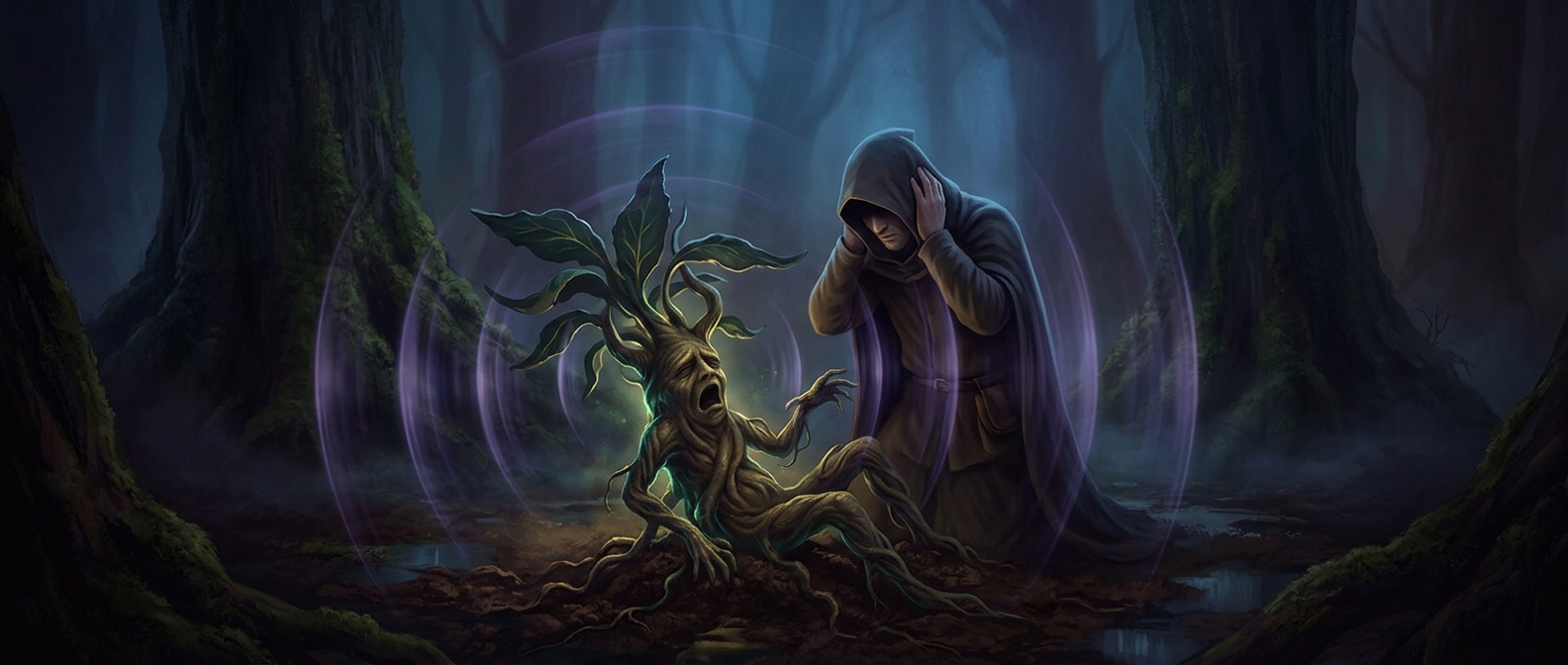
Mandrake roots often split into thick, limb-like branches. A forked root could suggest legs or arms, and a little imagination could turn its uneven outline into a whole body. In a culture that treated the natural world as full of hidden powers, that resemblance made the plant seem less like ordinary vegetation and more like a being concealed in the earth.
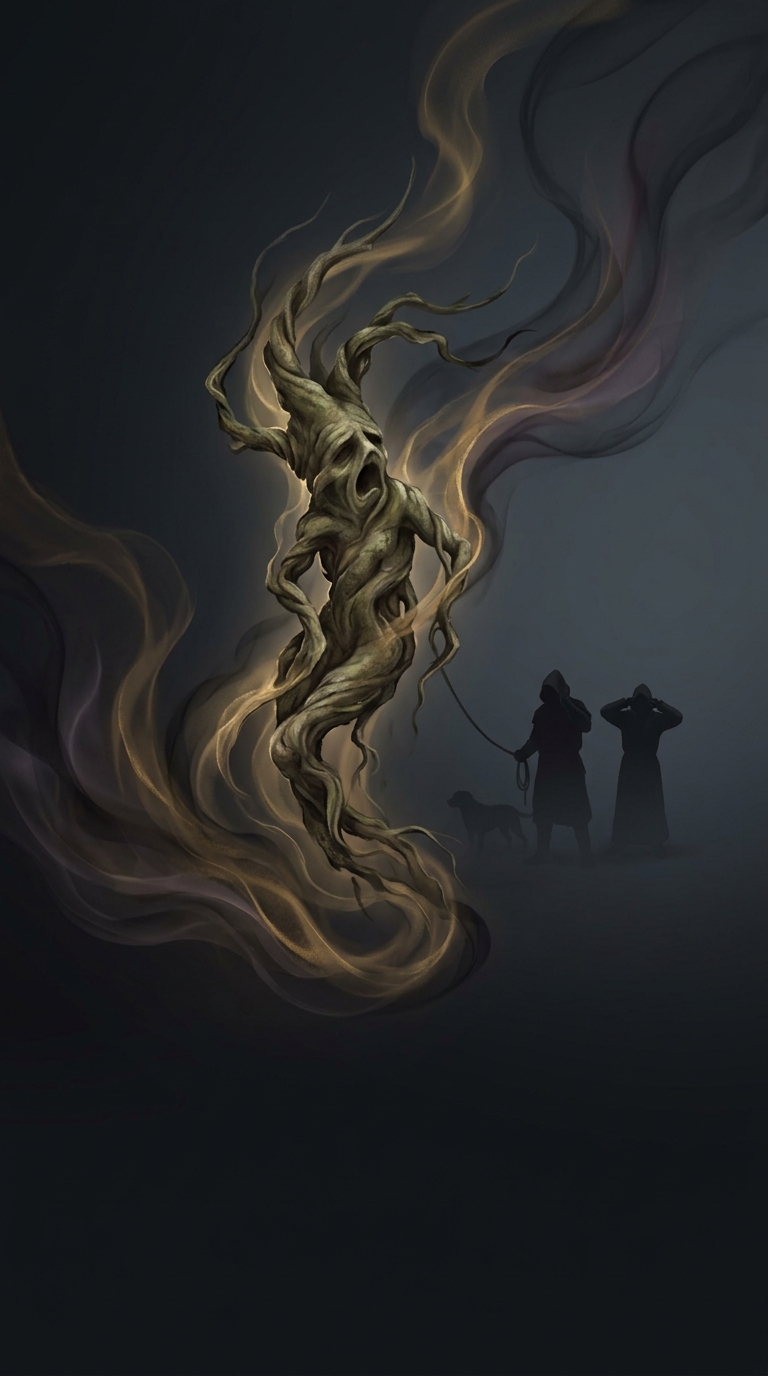
The resemblance also gave the legend a vivid danger: if the root was alive in some sense, pulling it free might provoke it. Stories said its cry could kill or drive a person mad. The dog, distance, and wax-plugged ears formed a ritual solution to that imagined threat—an elaborate way to harvest something believed too perilous to handle directly.
A Dangerous Plant Behind the Legend
Mandrake was not harmless. Its roots and other parts contain potent chemicals that affect the nervous system; in sufficient amounts, they can cause confusion, delirium, or worse. People also valued the plant for medicinal purposes, so its appeal came with real risks even apart from the supernatural story.
That combination helps explain why the harvesting tale endured: the root looked uncannily human, and the plant could produce frightening effects. The legend turned those unsettling qualities into a memorable rule—never pull the mandrake yourself—with a dog cast as the expendable intermediary.