The Scorpio stare is astrological folklore, not a diagnosis
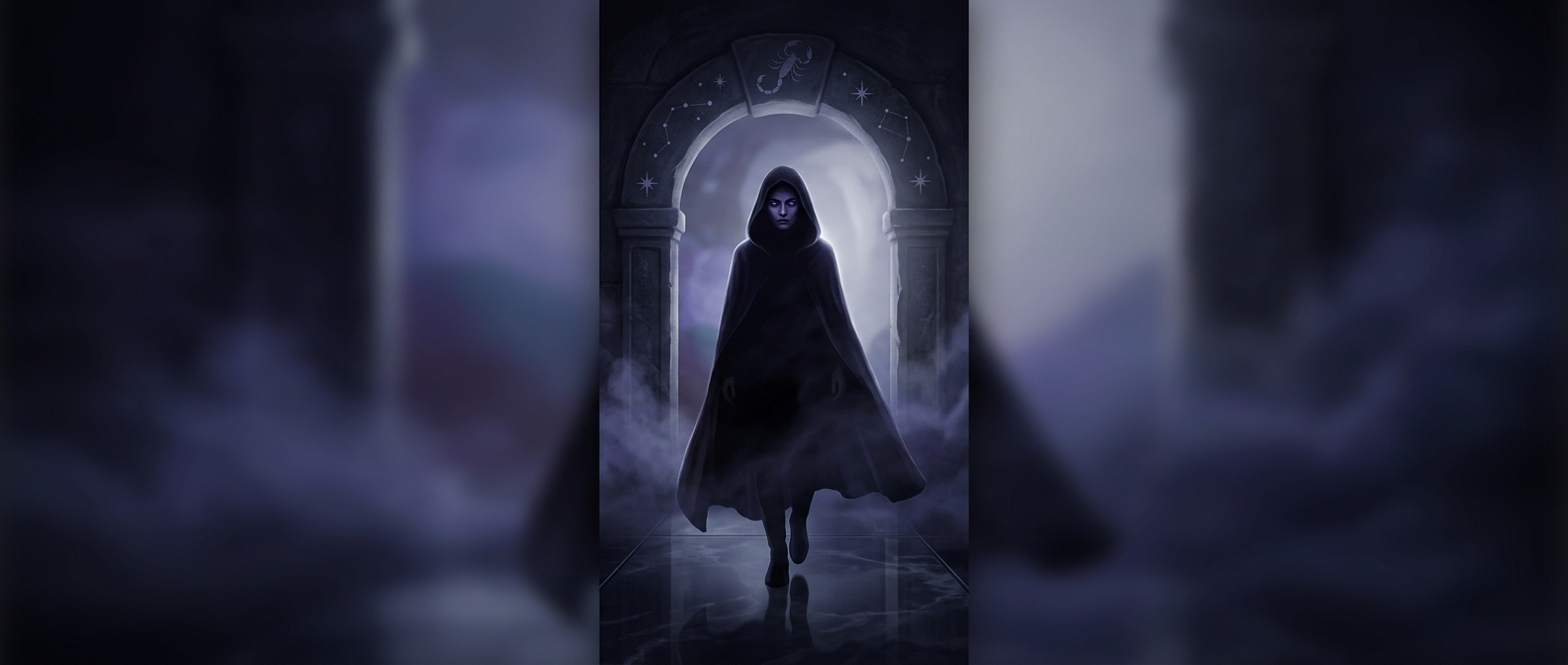
In popular astrology, Scorpio is associated with intensity, privacy, and emotional control. The image of a silent, unwavering stare turns those traits into a memorable social scene: someone says little, watches closely, and leaves others guessing what they are thinking. It is a character sketch, not a reliable way to identify a person’s sign or predict how they behave.
Why eye contact can feel so charged
A sustained gaze attracts attention because people use one another’s eyes to signal interest, confidence, challenge, or discomfort. When someone holds eye contact without the small shifts and expressions that usually soften an interaction, the other person has fewer cues for interpreting it. That ambiguity can feel unnerving—and may be read as dominance even when no such intention is present.
But staring does not have one universal meaning. Culture, context, personal boundaries, and individual communication style all affect how eye contact lands. A steady gaze in a serious conversation may signal attention; the same gaze during a tense encounter may feel confrontational. The unsettling effect comes from the interaction and its ambiguity, not from a proven Scorpio-specific trait.
A vivid trope, not a rule
Astrology gives people symbolic language for describing personality, and Scorpio’s reputation for intensity makes the “blank stare” an easy shorthand. It can be fun as a playful archetype, but a person’s actual manner is better understood through what they say and do than through a zodiac label. The memorable part is how little a gaze needs to communicate before the person watching it starts filling in the silence.