The cart is part of the store’s sales strategy
A shopping cart is more than a way to carry groceries. It also shapes how much a shopper can buy before the trip feels inconvenient. A larger cart gives people room for extra items—especially bulky packages—without forcing them to stop and rearrange what they have already picked up.
That suits a supermarket’s basic incentive: more goods in each visit can mean a larger sale. Bigger carts also make stock-up trips easier for families and other shoppers buying many items at once, reducing the chance that limited carrying space will send them to the checkout early.
More room can change what “enough” looks like
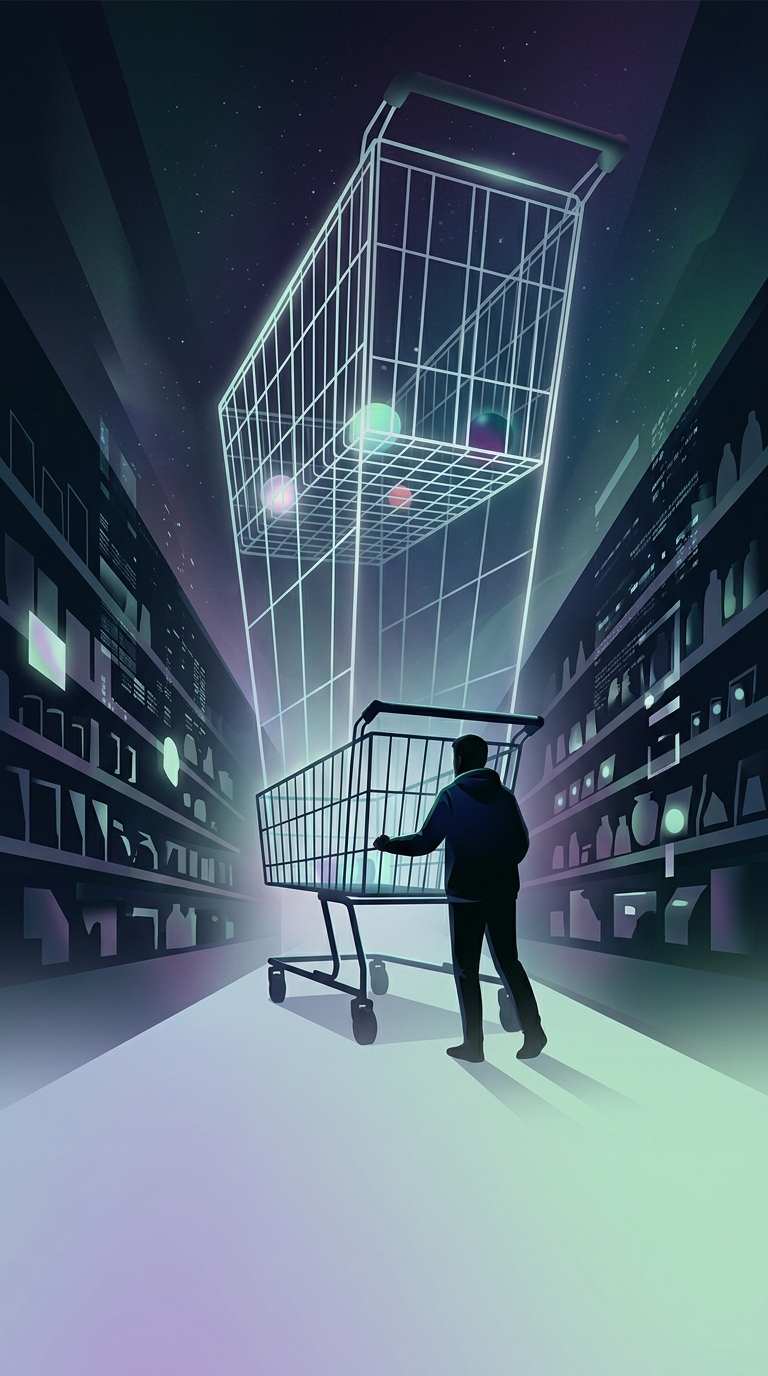
A cart’s size can affect perception as well as capacity. A modest shop may look surprisingly small in a roomy cart, while a fuller cart can feel like evidence that the trip is nearly complete. That visual cue can make adding one more item seem natural, even when the shopper did not plan to buy it.
The effect is not automatic: lists, budgets, and shopping habits still matter. But cart design can quietly tilt the experience toward buying more by removing a physical limit and changing how full the purchase looks.
A small design choice with a lasting payoff
For a store, a larger cart is a low-key way to accommodate bigger baskets without changing prices or running a promotion. For shoppers, it can be genuinely useful—until extra space makes an unplanned purchase feel like it barely counts. That is the subtle tradeoff: the cart carries groceries, but it also helps set the scale of the shopping trip.