Why evening electricity can cost more
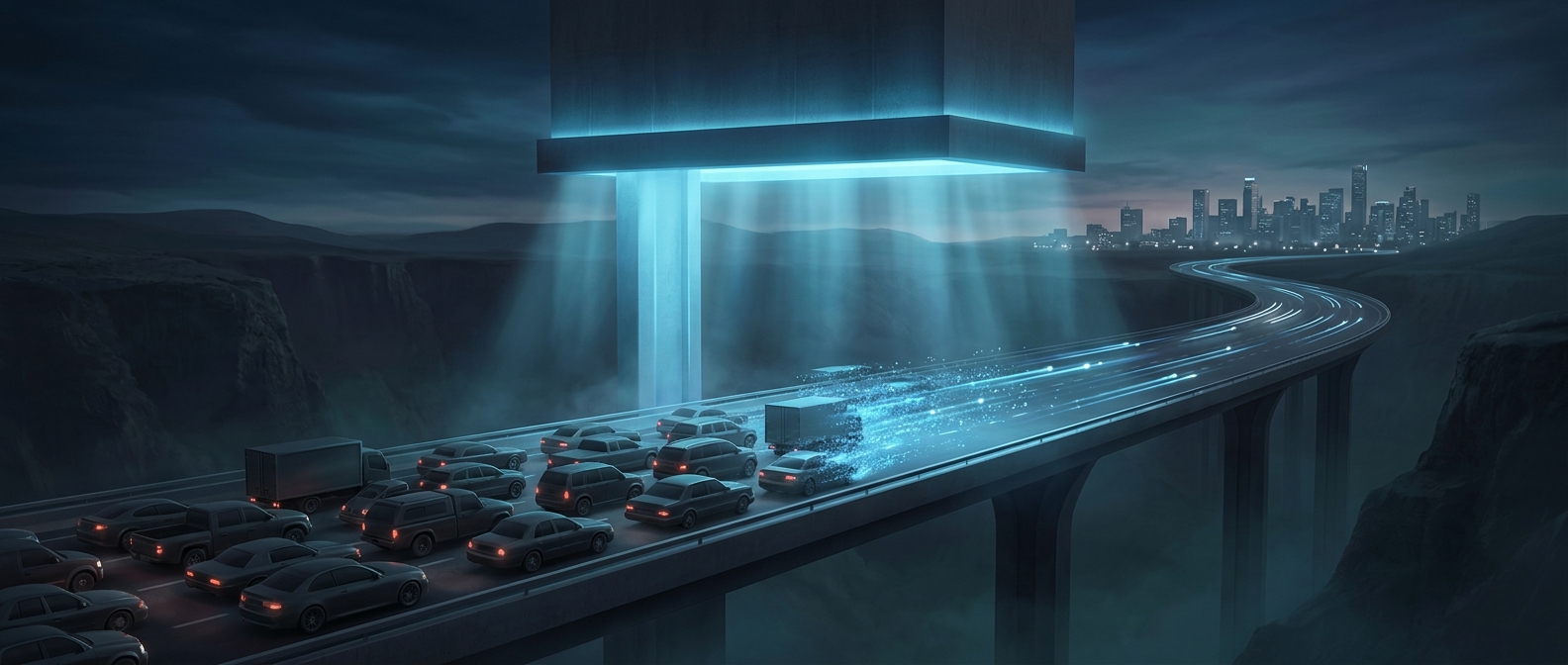
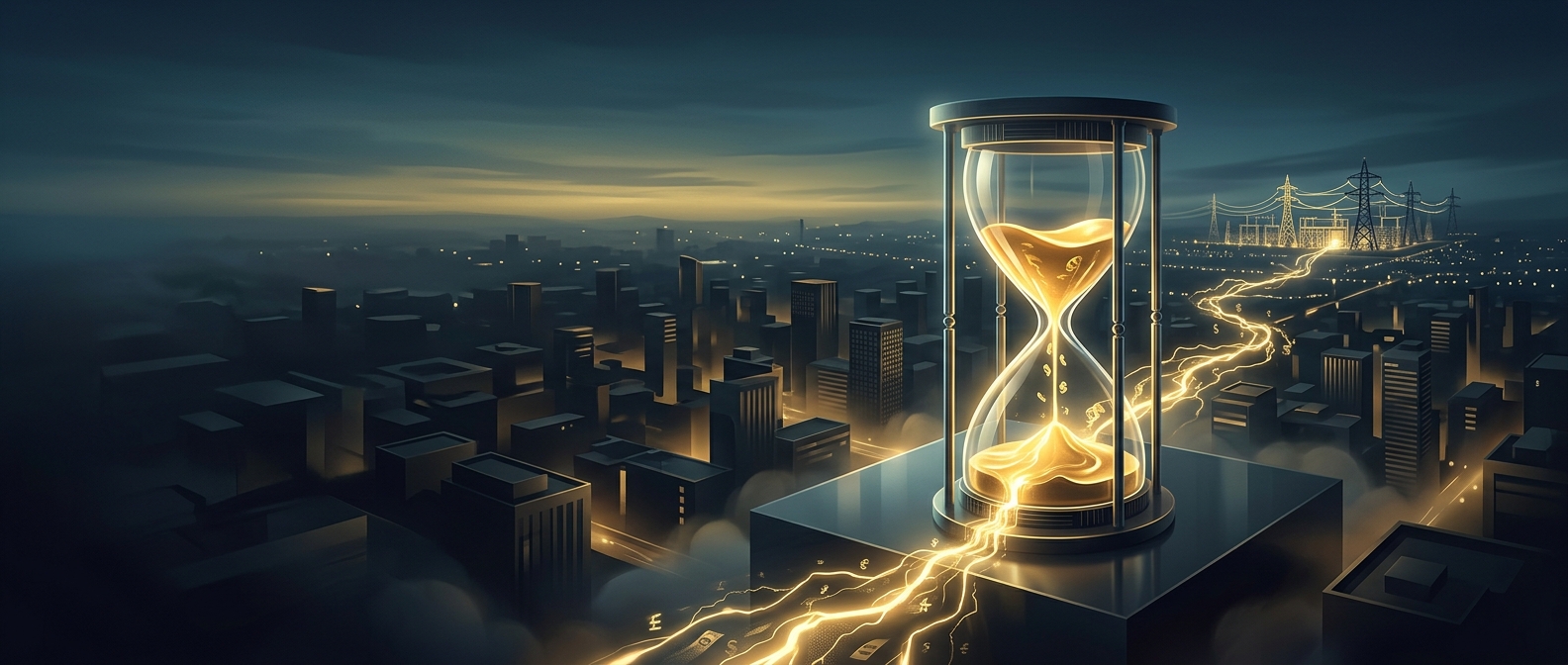
When a hot day runs into evening, air conditioners may still be working hard just as people return home and switch on lights, cook, and use appliances. Demand can rise quickly. At the same time, solar generation is fading with the daylight, so the grid has less of that supply available just as it is being asked to deliver more.
Meeting the surge can require power plants that are more expensive to run, or electricity brought in from elsewhere. In some places, transmission lines are also crowded, making it harder to move power to where it is needed. Wholesale prices can climb when the available supply is tight relative to demand.
What a peak-price signal is meant to do
Time-of-use rates charge different prices at different hours, with higher rates during periods when electricity is typically most costly to supply. The premium is not simply a penalty for using an appliance at night: it reflects the value of electricity at a strained moment and gives customers a reason to move flexible use—such as laundry or charging an electric vehicle—to a cheaper time.
That response can reduce the peak the grid must serve. Avoiding a short, intense surge may also reduce the need to build or maintain equipment used mainly during the busiest hours. But customers cannot always shift essential cooling, and the exact effect on a household bill depends on its utility’s rate plan. Some customers face time-based prices; others pay a rate that changes little from hour to hour.
The practical tradeoff is clear: running a dishwasher later may be easy, while turning down air conditioning during a heat wave may not be. Peak pricing works best when customers have both a meaningful price signal and a realistic way to adjust.