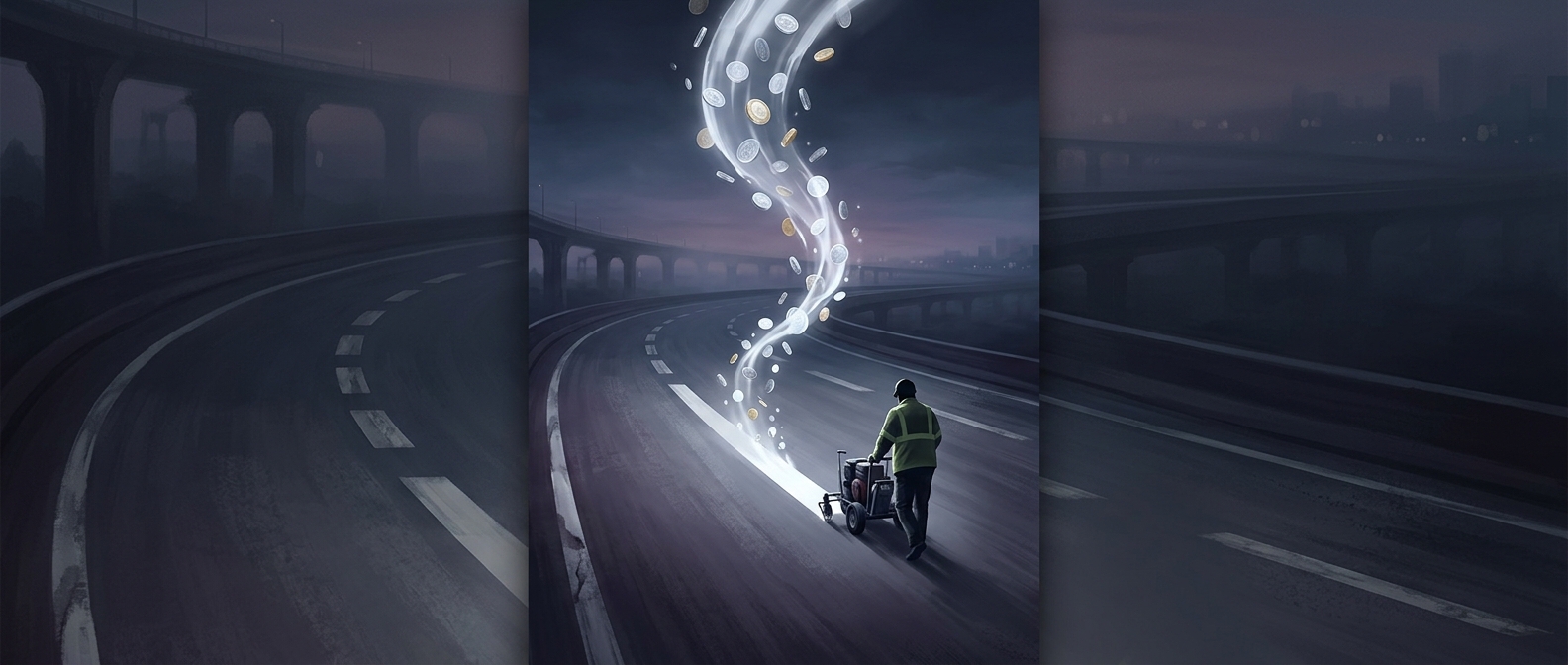
A road can run out of space before it looks full
Congestion is not just a matter of how many cars fit on a road. As traffic approaches the road’s practical capacity, each extra vehicle can slow many others: drivers brake, gaps widen, and small disruptions ripple backward. A road that is near its limit can therefore carry traffic less smoothly than one with a little room to spare.
A charge for driving at a busy time or place puts a price on using that scarce space. It gives travelers a reason to reconsider trips whose benefits are modest compared with their cost—not only the toll, but also the time and hassle of driving.
The response is a reshuffling, not an on-off switch
People may skip a discretionary trip, combine errands, travel at a different time, take transit, or share a ride. Others may keep driving because they have no workable alternative or because the trip matters enough to justify the cost. The aim is not to make every driver quit; even a modest change in the number and timing of vehicles can matter when traffic is close to capacity.
That makes the design consequential. A charge that varies with the place or time of congestion can target the periods when road space is most strained. But it also asks who can change plans and who must pay. A driver with flexible hours has options that a shift worker with a fixed start time may not. The practical result depends partly on whether alternatives—such as reliable transit—are available.
Why fewer cars can help more than expected
When traffic eases below the point where stop-and-go waves take hold, vehicles can move more steadily, and a minor slowdown is less likely to spread. The benefit is shared by the drivers who remain on the road, while the charge falls on those who continue using the busiest space. That is the central tradeoff: pricing can make scarce road capacity work better, but its fairness depends on who has the freedom to avoid the charge.