A dam is a barrier—and a store of sediment
A dam does more than hold back water. Over time, it traps sand, silt, and sometimes contaminated material that would otherwise travel downstream. Remove the barrier too quickly, and that accumulated sediment can cloud the water, smother habitat, or carry pollutants into places people and wildlife depend on.
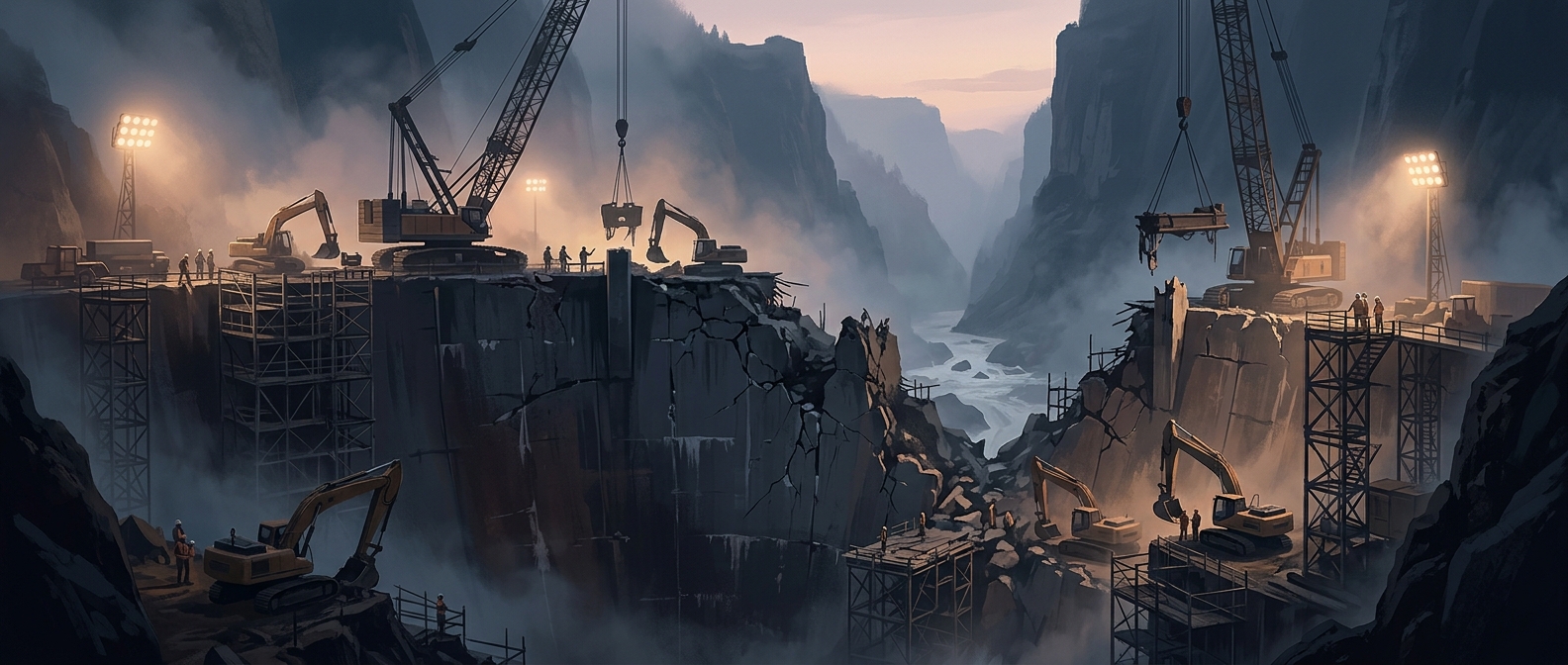
That makes removal a problem of managing a whole river system, not simply demolishing concrete. Engineers may need to release water gradually, move or contain sediment, and protect nearby roads, bridges, utilities, and water intakes while the river adjusts. If testing finds hazardous material, handling and disposal add further work.
The price includes what happens afterward
A dam is built toward a defined goal: create a reservoir, generate power, or control water. Removal has a different and less predictable endpoint. Once the barrier is gone, the river may reshape its banks and channel, and fish, plants, and water quality can respond over time. Monitoring helps determine whether those changes are proceeding safely or whether crews need to intervene.
Those requirements can stretch a project across multiple seasons. Planning, environmental review, permits, specialized construction, sediment work, and follow-up monitoring all carry costs beyond the physical demolition. The bill can be especially high when a dam is large, sits near infrastructure, or holds a great deal of problematic sediment; a small, uncomplicated structure may be far cheaper to remove.
Who pays for a benefit that spreads downstream?
The expense often falls on a dam owner or public agency, while the gains—such as restored river access or lower maintenance and safety burdens—may be shared by communities well beyond the site. That mismatch can make financing and decisions difficult: the payer may not capture every benefit, and leaving the dam in place also carries costs and risks.
So the comparison is not just the original construction price versus the demolition price. It is the cost of managing a changed river, weighed against the costs of keeping the barrier. A project’s most demanding work may begin after the concrete is gone.