Why a Heating System Drills Into the Yard
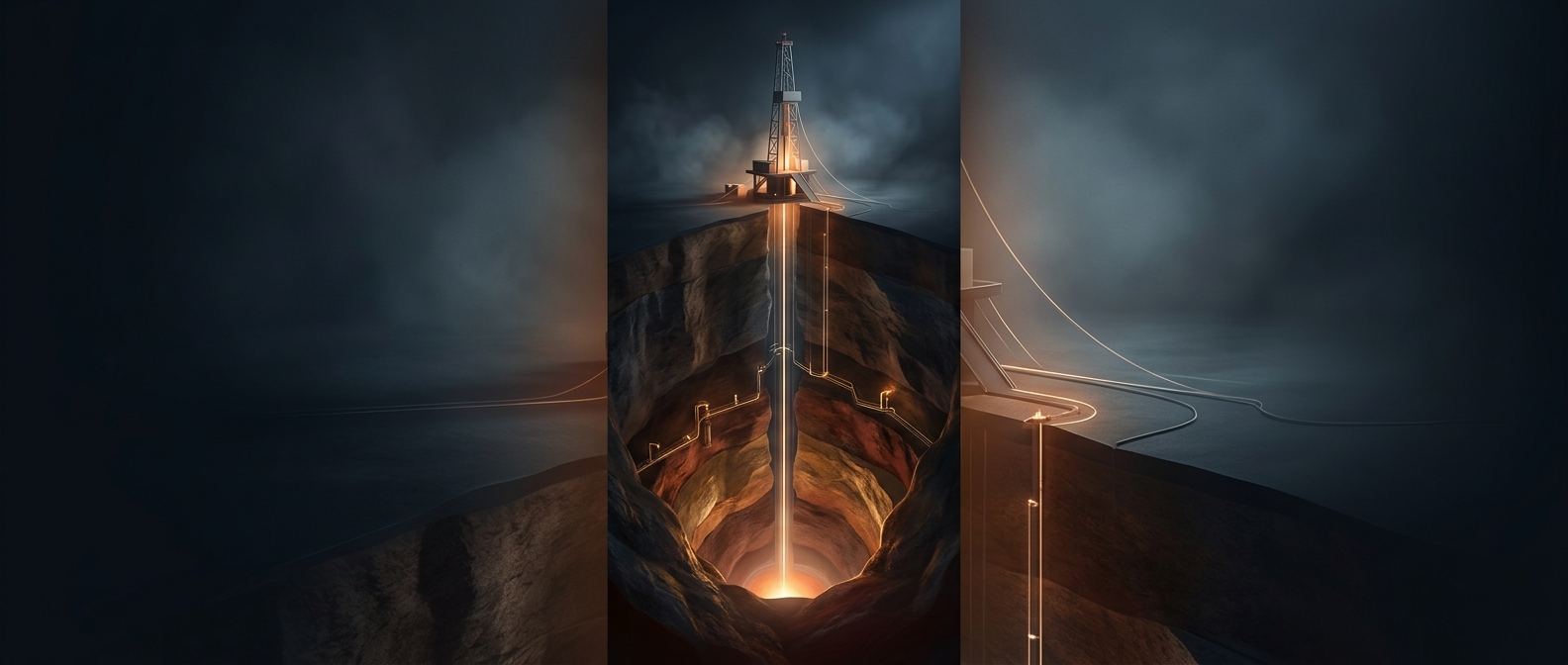
A residential geothermal system is usually a ground-source heat pump, not a miniature power plant. It does not tap underground steam. Instead, pipes in a closed loop carry fluid through boreholes, exchanging heat with the surrounding soil and rock. In winter, the heat pump moves that heat into the house; in summer, it can move indoor heat back into the ground.
The ground’s temperature changes less sharply than outdoor air does, so the system has a steadier heat source in cold weather. That can make heating more efficient than producing heat directly from electricity or burning fuel. But the buried loop is only one part of the system: the heat pump still uses electricity to move heat.
The Upfront Cost Is Mostly a Construction Problem
Drilling requires specialized equipment, a crew, and a site that can accommodate the work. The number and depth of boreholes depend on the building’s heating needs and local ground conditions. Pipes must then be connected and the disturbed area restored. Those costs arrive before the homeowner receives any savings on utility bills.
A vertical loop can fit where a property lacks room for a long horizontal trench, but it trades land area for drilling expense. Existing landscaping, access for machinery, and local geology can all affect the job. The installation is therefore not priced like simply swapping one indoor appliance for another.
Who Benefits Depends on the Payback
The economic case is strongest when reduced energy use over time offsets the higher initial investment. That calculation varies with local energy prices, the home’s heating demand, and what conventional system it replaces. A homeowner who moves soon may not capture as much of the long-term benefit as someone who stays; the equipment’s efficiency alone does not guarantee a quick payback.
The visible disruption is temporary, but the buried loop is the investment’s foundation: much of the cost is paid to create a stable heat-exchange network that will keep working out of sight.