A local identity built into the silhouette
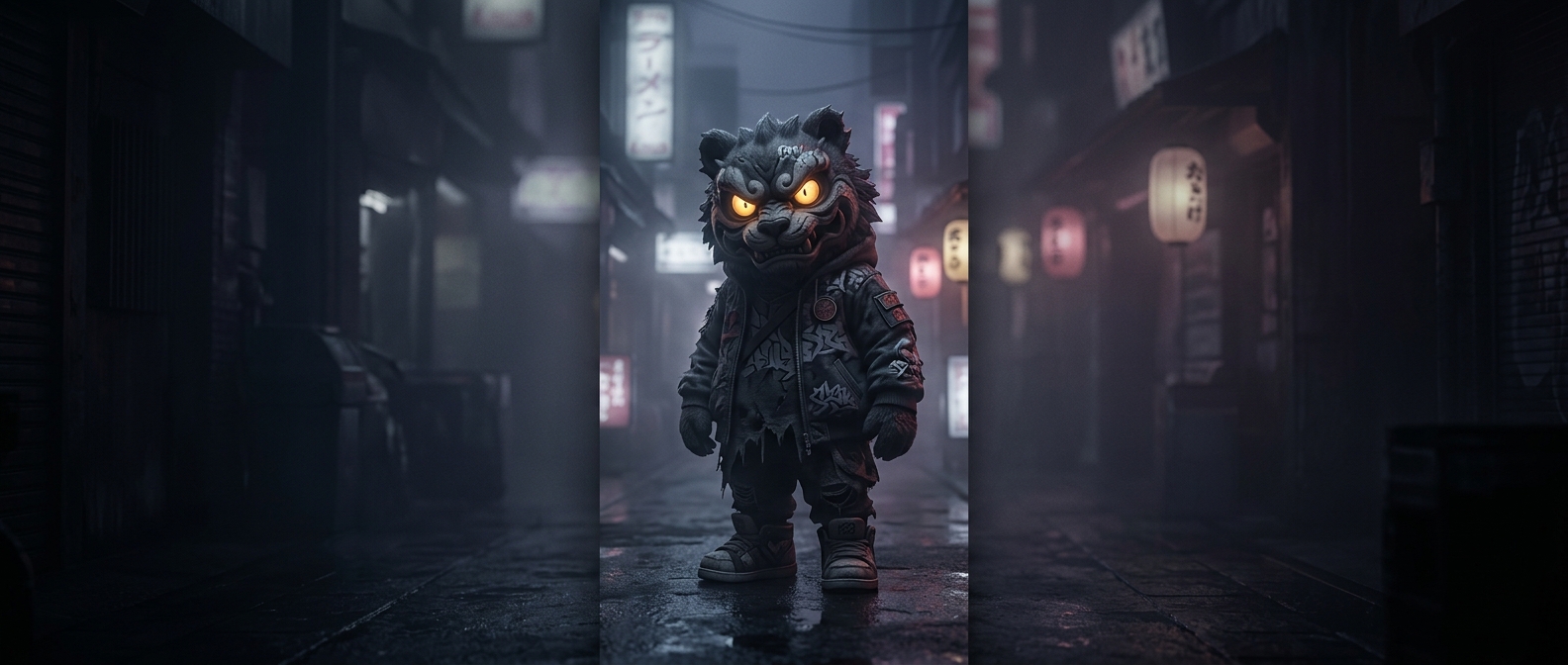
A yuru-chara is more than a character in a costume: it is a mascot created to represent a place, organization, or local product. Its exaggerated shape can turn a regional symbol into something recognizable at a glance—whether the design suggests an animal, food, or a feature associated with the area. The padding gives the figure a soft, cartoon-like outline, but it also makes the character less like an ordinary person in a costume.
Why simple movements become difficult
Inside a bulky suit, the performer has to move without the freedom—or necessarily the clear view—available outside it. Thick padding can limit how far arms and legs bend, while the oversized head and body make balance and precise gestures harder. Dancing therefore depends on movements that fit the character’s shape: broad waves, careful steps, and poses that read clearly from a distance.
That constraint is part of how the mascot works in public. A performance can make a local emblem lively, but the performer must express personality through a body designed for a distinctive outline, not athletic ease. Wrestling or other vigorous activity makes the mismatch especially visible: the plush figure suggests softness, while the person inside has to manage a cumbersome costume.
The costume changes the performance
At festivals and promotional appearances, the suit’s awkwardness can become part of the character’s appeal. A mascot’s careful shuffle or oversized gesture makes the imaginary figure feel present in a way a printed logo cannot. The tradeoff is practical as well as comic: the more unusual the silhouette, the more the performer must adapt movement to it. A place’s symbol may look effortless from the crowd, but bringing it to life takes choreography built around the suit.