Why Balsa Works as a Structural Core
Balsa’s lightness comes from its microscopic structure. Much of the living tree’s wood is made up of large cells with thin walls; while the tree grows, those cells contain water. After the wood is cut and dried, the water is gone, but the airy structure remains. The result is material that adds little mass while still resisting loads when it is used in the right design.
That makes balsa useful not only as a visible frame, but also as a core: a lightweight layer placed between stronger outer skins. In a surfboard, for example, the outer surface takes much of the bending stress while the balsa helps keep the surface layers apart. That spacing can make the whole structure more resistant to bending without making it solid and heavy.
Lightness Comes With a Tradeoff
Balsa is not a universal substitute for denser woods or engineered materials. Its soft, porous structure can be easily crushed or damaged, so designers must protect it and match its thickness and placement to the job. Drying and selecting pieces also matter: wood that varies in density or contains defects may not perform consistently.
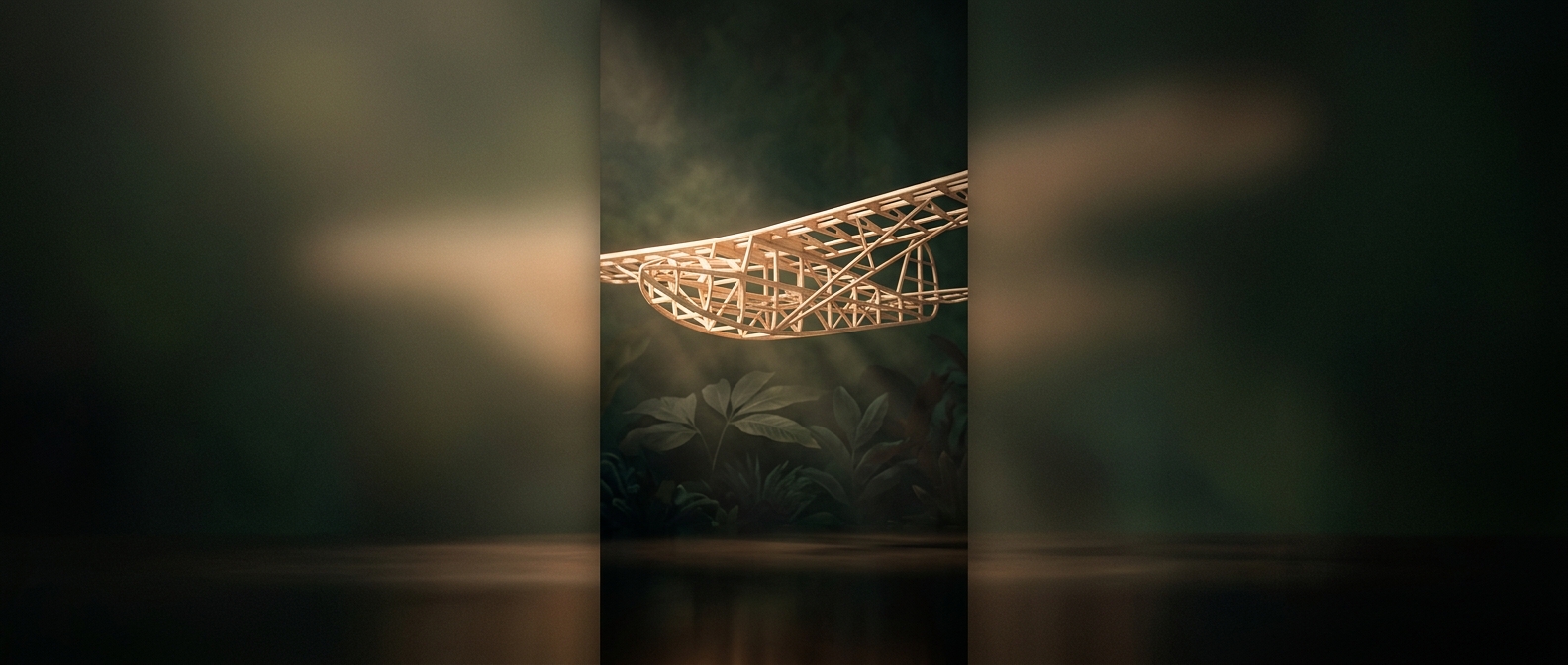
That tradeoff gives balsa its economic niche. Buyers are paying for a combination of low weight and workable strength, not simply for wood by volume. In model frames, where extra mass can undermine a design, or inside a board, where a core must add stiffness without bulk, a small amount of carefully chosen balsa can do more than a much heavier piece of ordinary lumber.