How a Ouija session became a literary career
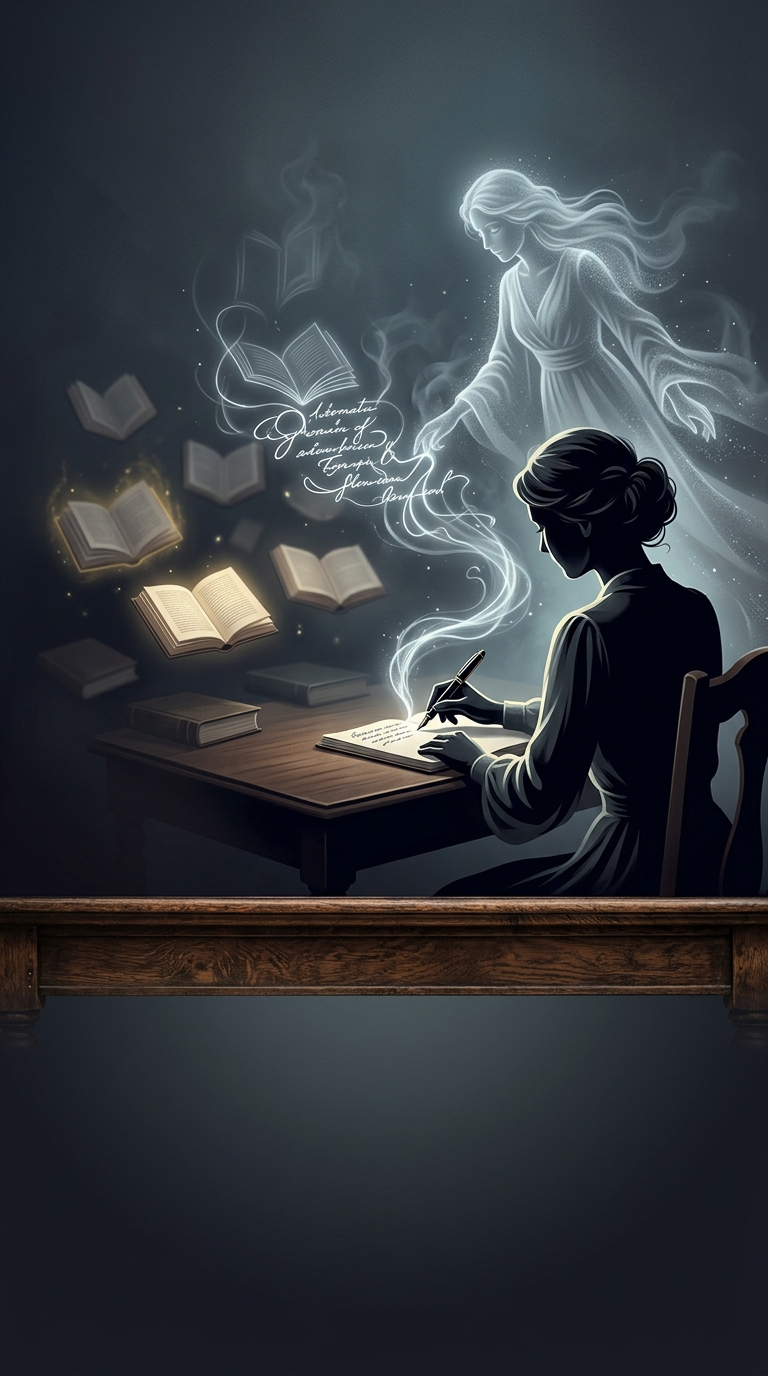
Automatic writing is the practice of producing words while trying to set aside deliberate, conscious control. In Curran’s case, the process was associated with a Ouija board: letters were selected one by one, then shaped into a voice presented as Patience Worth’s. The board offered a visible procedure, but the writing still depended on Curran to turn scattered letters into sustained scenes, characters, and narrative.
That gap between procedure and composition is part of what made the episodes so absorbing. Readers could encounter the books as finished works without having witnessed their creation. The question of who was writing—Curran, an imagined persona, or a spirit—remained open to interpretation, while the prose itself could be judged on its own merits.
The voice was part of the spectacle
Patience Worth was presented as a woman from an earlier English-speaking era, and the old-fashioned language helped make the claimed identity feel distinctive. It also gave critics something concrete to challenge: an archaic style can create atmosphere, but it does not by itself establish that a text comes from the past. Questions about historical accuracy therefore sat alongside admiration for the books’ storytelling.
The episode matters because it joined two kinds of public fascination: spiritualism’s promise of contact with the dead and a literary culture willing to review and reward work regardless of how its author claimed to receive it. Curran’s books made the mystery part of the reading experience, not a substitute for it.