What the Singularity promises
The technological Singularity is a speculative idea: that advances in artificial intelligence could become so fast and consequential that society changes in ways people today cannot reliably predict. The name suggests a boundary beyond which familiar forecasts stop working. It is not a single agreed-upon event or a guaranteed outcome.
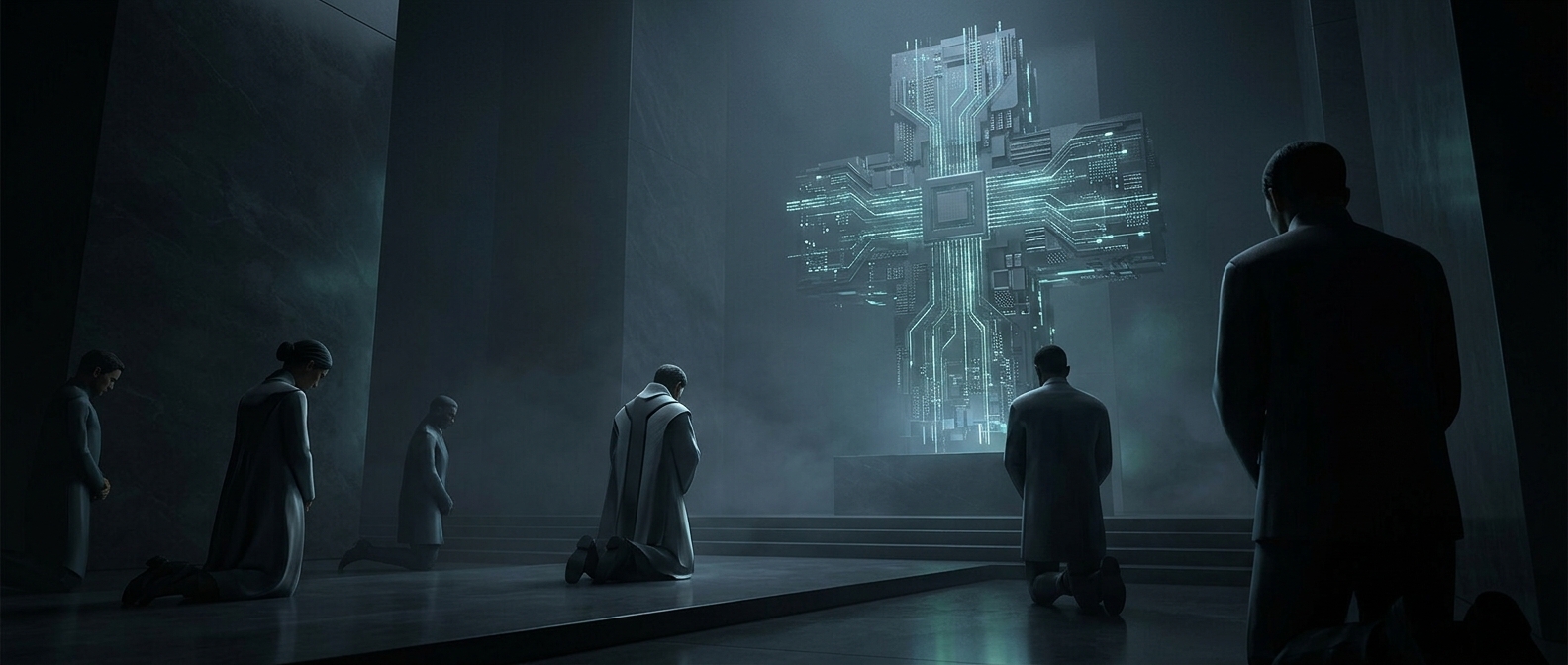
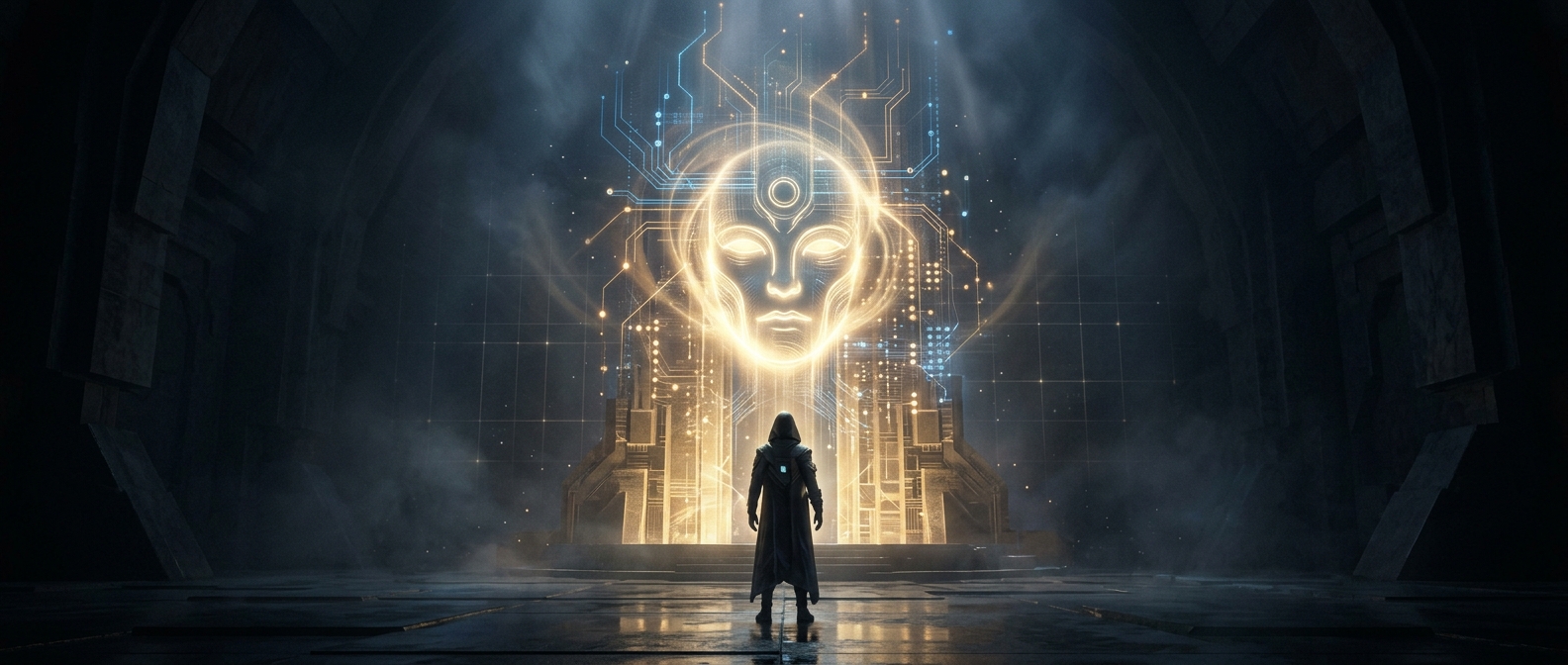
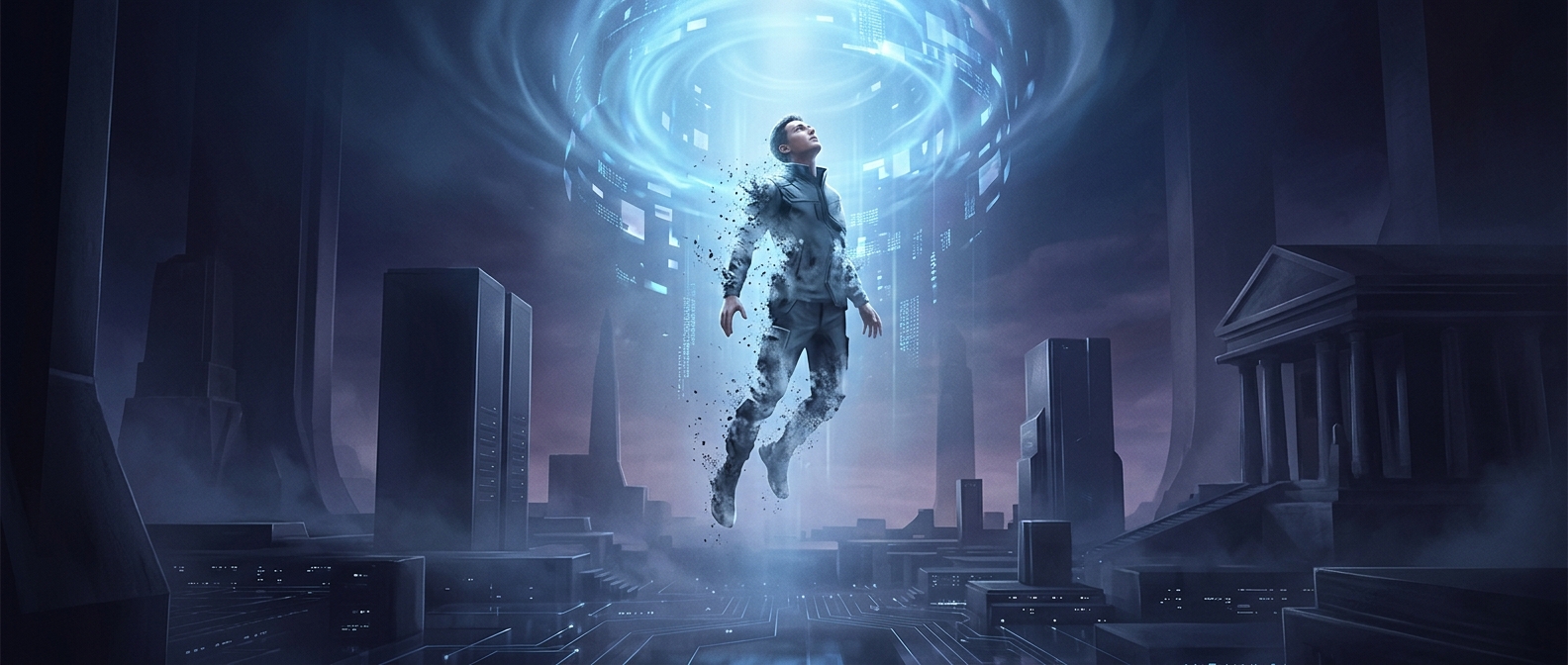
The “rapture” comparison captures the idea’s emotional force. In religious traditions, the rapture means a dramatic passage into a transformed state; in Singularity stories, technology takes the role of the agent of change. An AI that can help design more capable AI might speed up the next round of improvements, creating a feedback loop. If that loop grew powerful enough, work, medicine, politics, and everyday life could be remade within a short span.
The physical machinery behind the vision
Even a seemingly weightless digital intelligence runs on physical computers. Those computers use electricity, and much of that energy becomes heat. A data center must move the heat away from its servers—often by circulating chilled air or using liquid cooling—so the equipment can keep operating safely.
That gives the grand vision a decidedly practical dependency: more computing capacity requires power, chips, buildings, and reliable ways to remove heat. Cooling is not a minor detail attached to an otherwise immaterial future; it is part of the infrastructure that makes large-scale computation possible.
A promise, not a prophecy
Calling the Singularity a secular rapture highlights both hope and uncertainty. Its enthusiasts imagine technology overcoming limits that now seem permanent; the same abruptness that makes the idea sound salvational also makes its consequences difficult to govern or foresee. Whatever the future brings, any intelligence running in data centers will remain tied to material limits—down to the heat its machines have to shed.