From a creator to a codebase
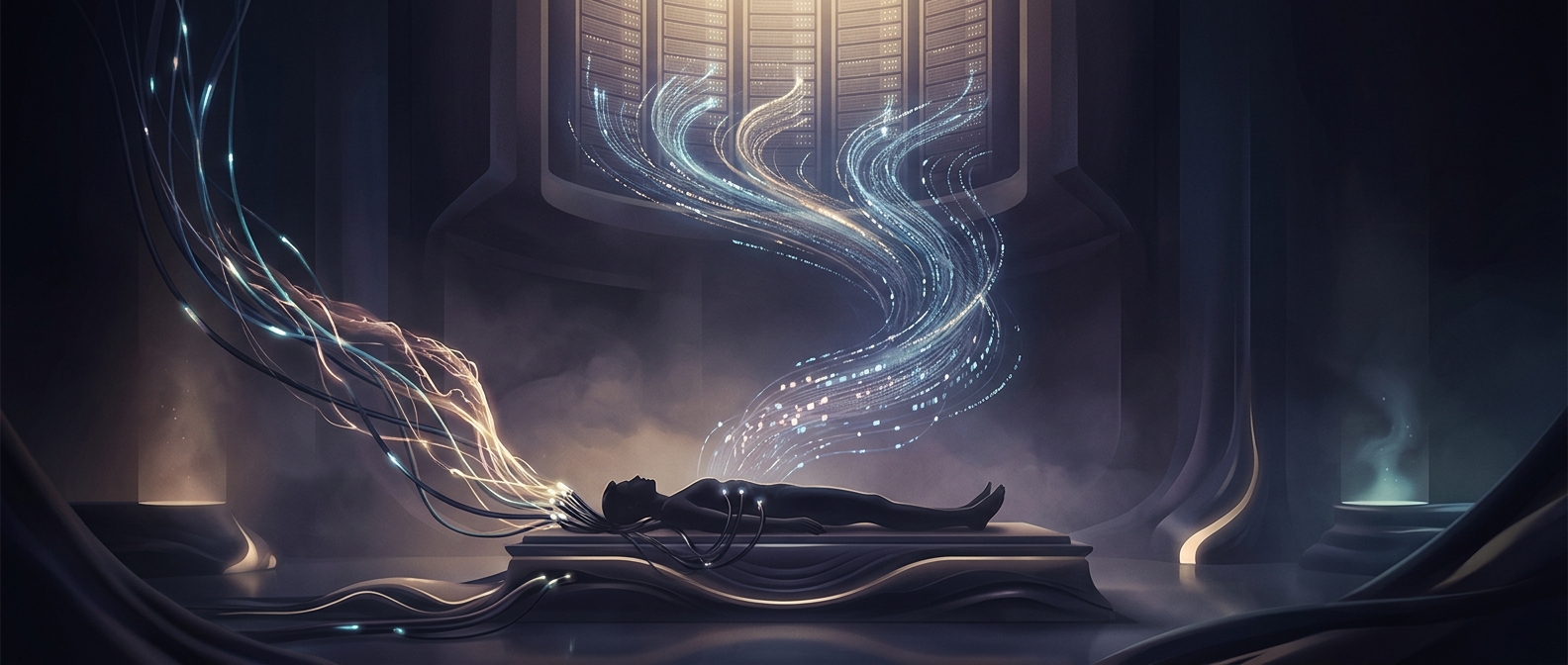
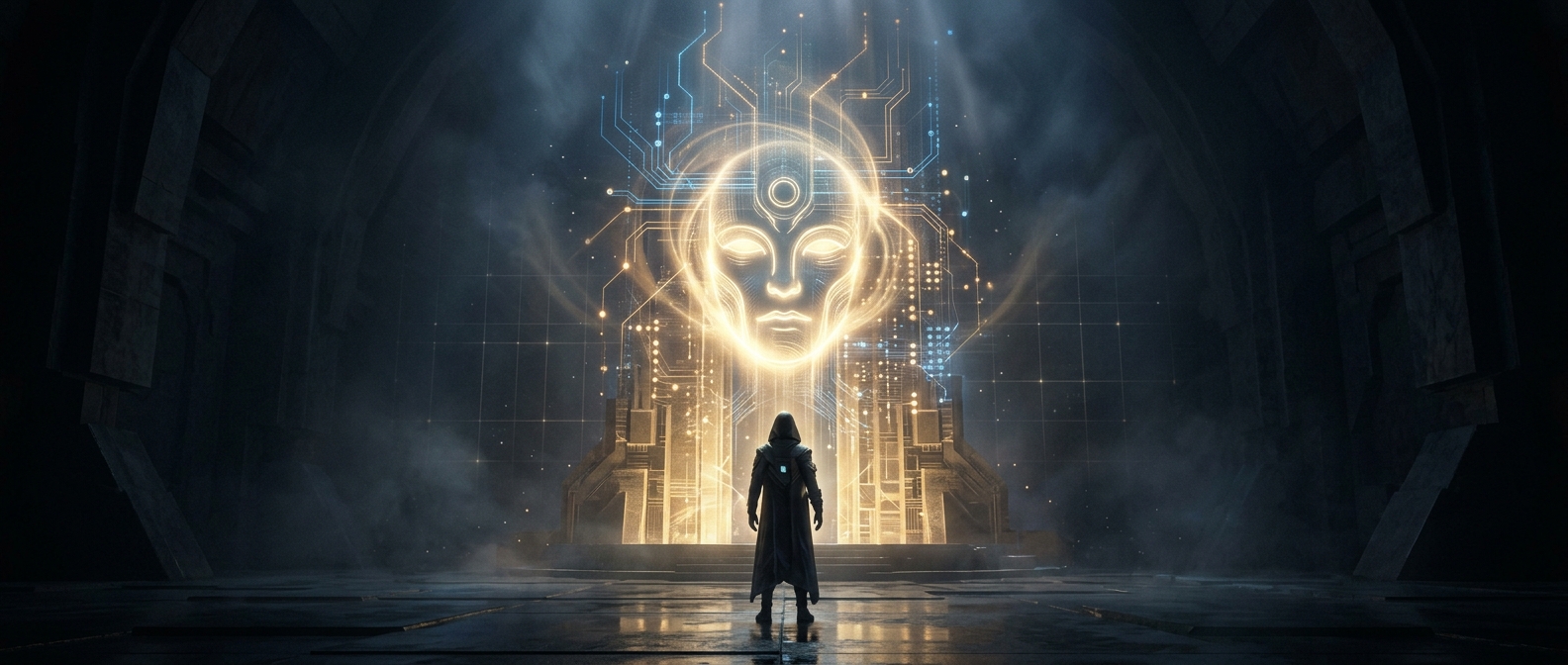
Simulation theory borrows the language of computing to make an old question feel newly concrete: What if the world we experience is produced by something outside it? In this picture, physical laws function like a program’s rules, while matter and events are the world those rules generate. The “programmer” need not be a god in the traditional sense; it could be an advanced civilization with no divine qualities at all.
That shift changes the kind of explanation on offer. A religious account may ask why the universe exists or what purpose it serves. A simulation account instead imagines a mechanism: a system running according to instructions. It does not, by itself, explain who wrote those instructions or why.
Why the computer analogy persuades
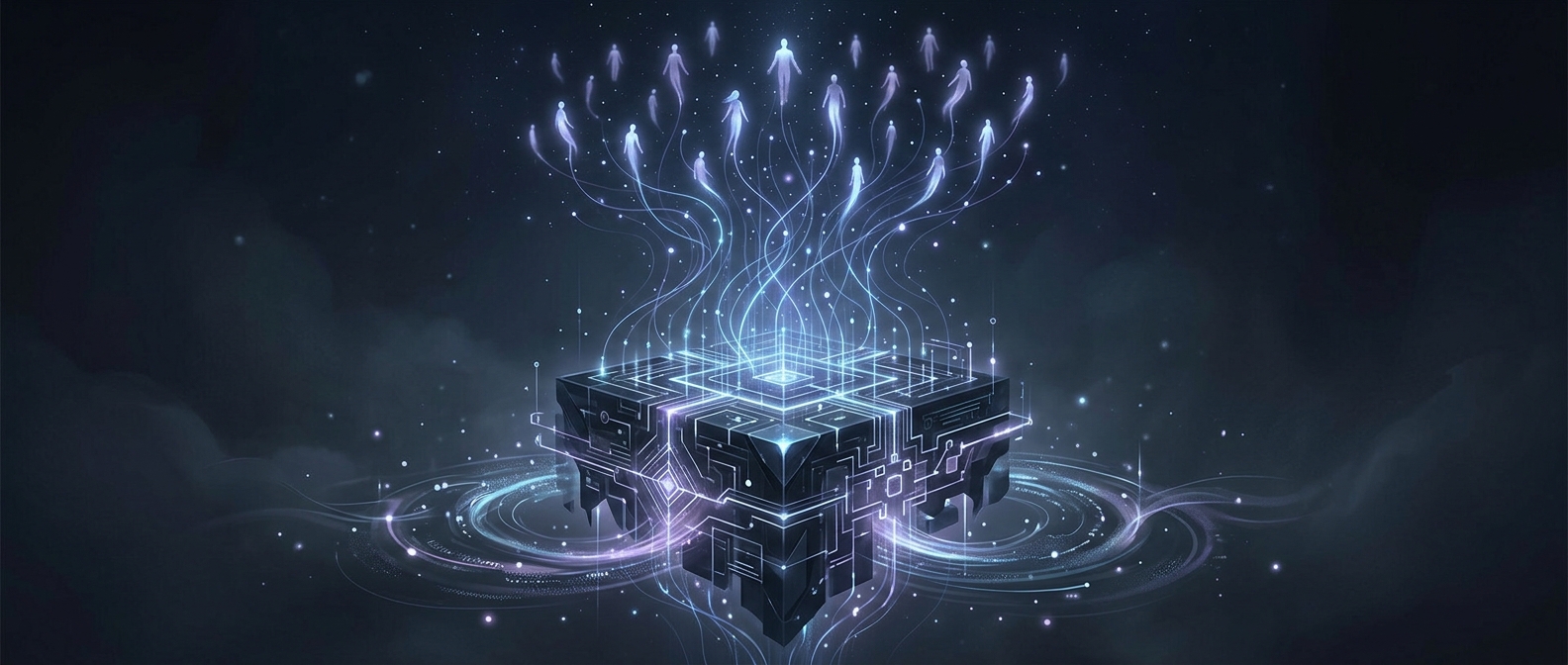
People who build software can readily picture worlds governed by rules, with inhabitants who experience only what their environment makes available. That familiarity gives the hypothesis an intuitive pull, especially as computers become more capable. Some versions add a probability argument: if advanced civilizations could create vast numbers of conscious simulated worlds, simulated observers might outnumber observers in an original world. But that conclusion depends on assumptions about consciousness, technology, and whether such civilizations would choose to run those simulations.
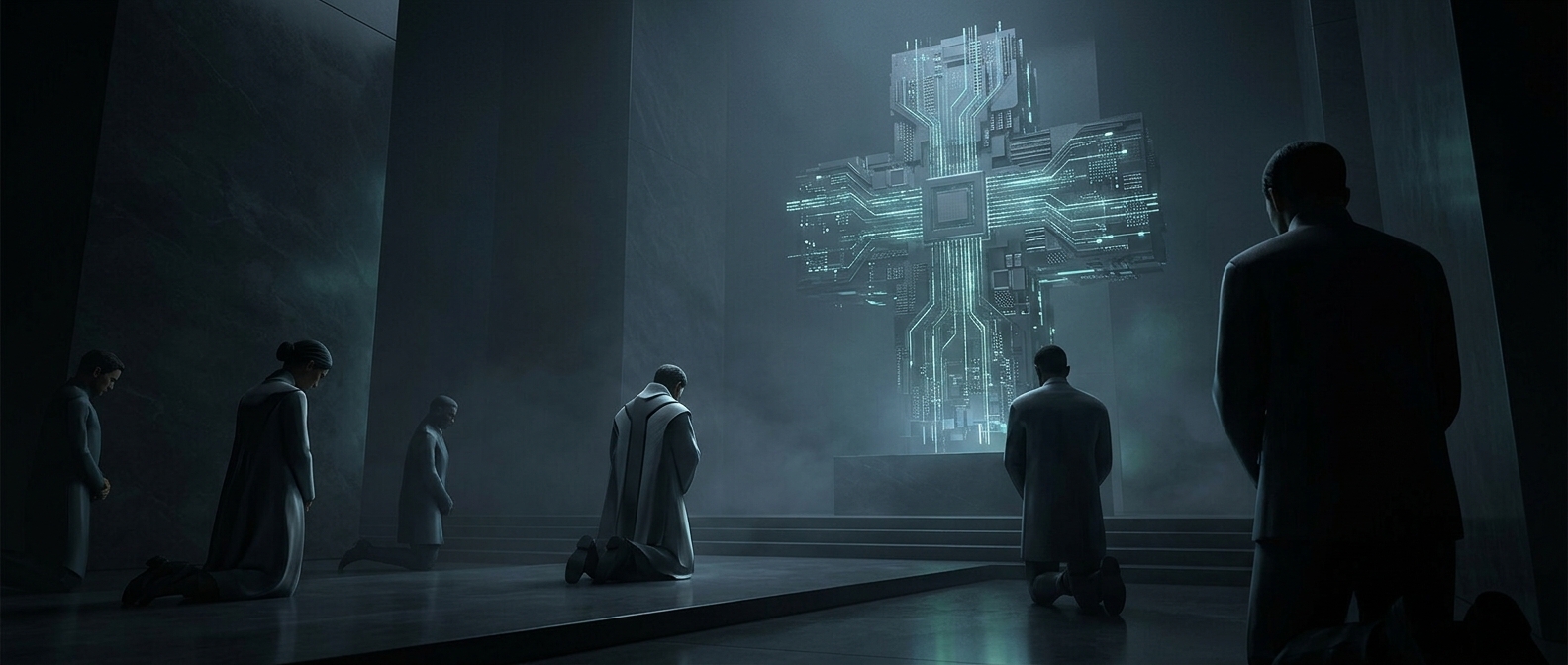
The analogy is compelling because it turns cosmic mystery into a recognizable image: a world generated by a system. Yet a computer metaphor is not evidence that the universe is one. Its lasting appeal lies in how it reframes the question of a creator—not as a supernatural presence in the sky, but as a possible intelligence beyond the rules we can see.