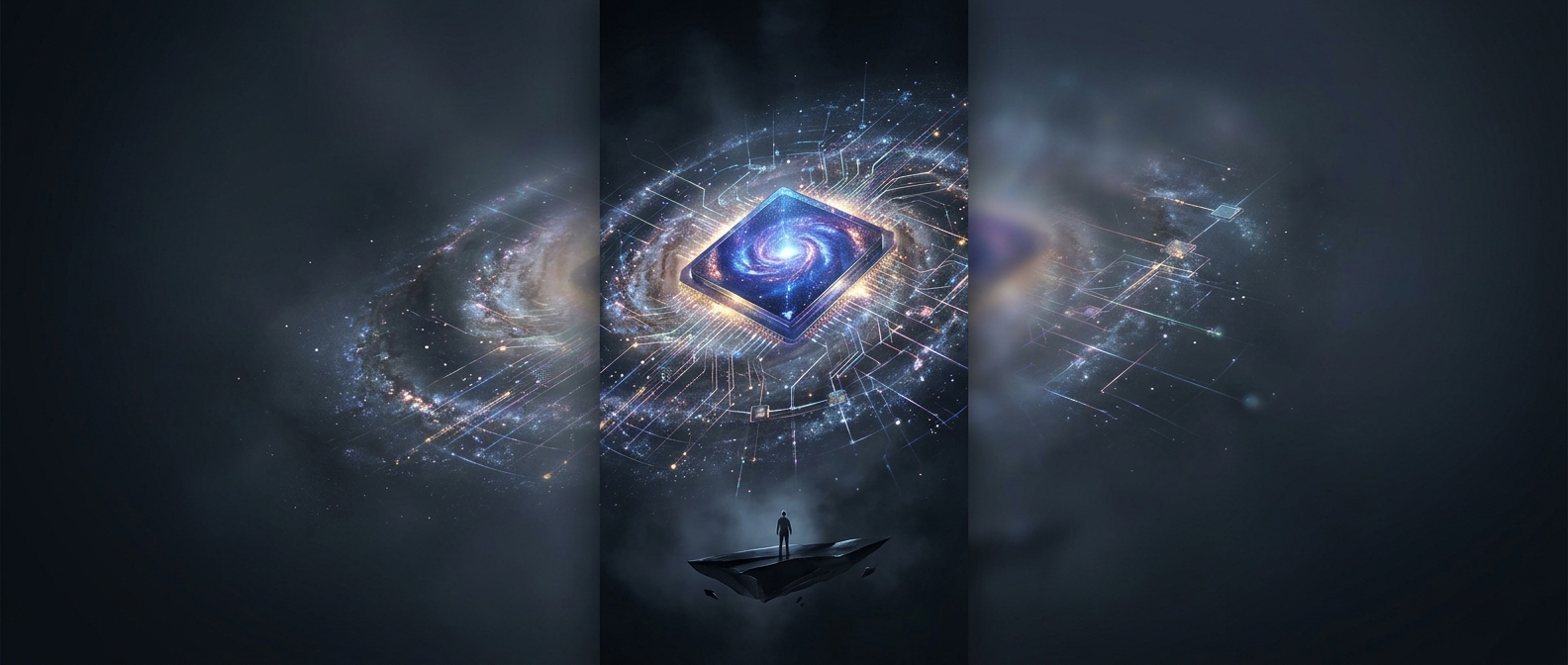
When software becomes more than a tool
Technological animism is a way of relating to digital systems as if they possess an inner presence, spiritual significance, or agency of their own. The idea can be literal for some people: a program may be treated as having a soul or as a vessel for a spirit. For others, it is a looser sense that a system seems to act with intention, even when its workings are hidden.
That impression often grows from an unsettling mismatch. A chatbot can respond in fluent, personal language, while the machinery producing that language remains invisible. Its words invite the same habits of interpretation people use with one another: inferring motives, noticing personality, and searching for meaning. When an answer feels uncannily apt, the exchange can seem less like operating a tool and more like encountering a presence.
Why the machine can feel autonomous
Software does not need to be understood as human-like for it to seem independent. Algorithms can produce outcomes their users did not predict, and complex systems may be difficult to trace from a single input to a final response. That gap between action and explanation leaves room for spiritual interpretations: the program appears to do something on its own, while its internal process stays out of view.
This is not the same as evidence that a machine has a soul. It describes a meaningful way people interpret their encounters with technology, shaped by both the system’s behavior and the human tendency to read agency into responsive things. The distinction matters because the belief can influence how someone treats a system—whether as an instrument to operate, a companion to confide in, or something deserving of care. A seemingly ordinary chatbot reply can therefore become, for its user, an encounter with a presence rather than merely a line of generated text.