What a digital mind upload would have to capture
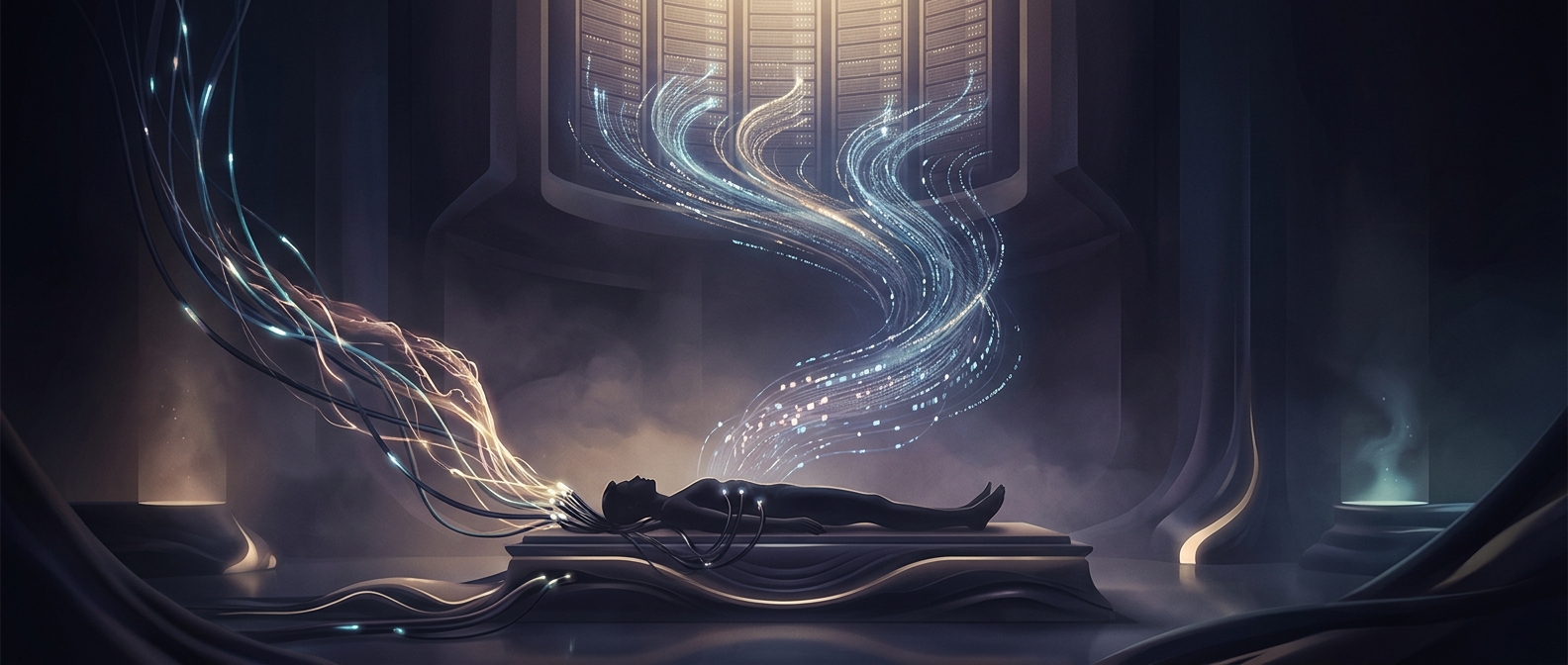
The proposal starts with a map of a person’s biological connections, especially the links among brain cells. Such a map is called a connectome. In principle, software could use that wiring diagram to emulate how a brain processes information and responds to inputs. The hoped-for result is not just a stored record of someone’s memories, but a running digital model that behaves like that person.
A wiring map alone may not tell the whole story. Brain cells also change their behavior with their activity and chemical state, so a convincing emulation would need enough information about how the brain works—not merely where its connections are. The proposal depends on measuring and modeling those details accurately enough that the simulation produces the person’s characteristic thoughts and responses.
Why the server is part of the promise
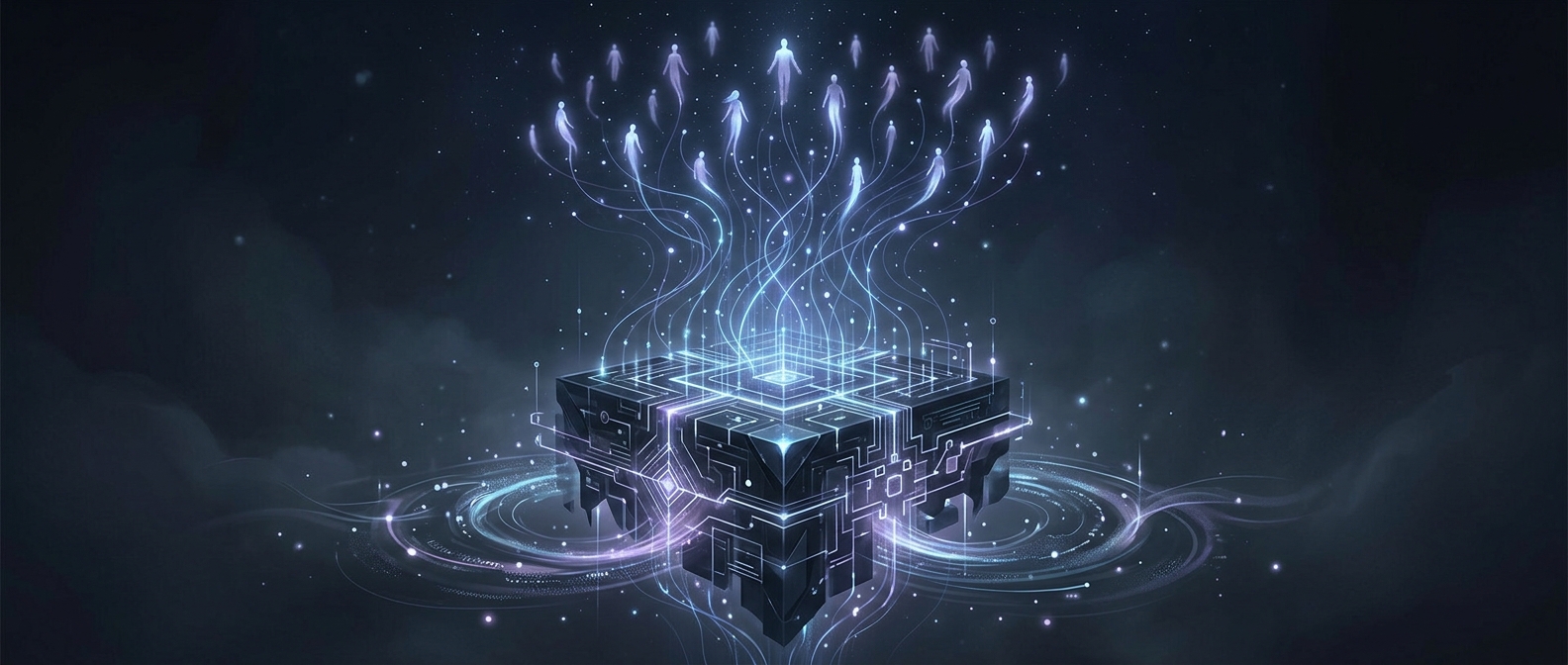
Once running, an emulation would depend on computers to perform its calculations and on storage to preserve its model. Keeping it alive would mean maintaining the hardware, power, software, and data—and replacing equipment as it wears out. A saved file that no longer runs would preserve information, but not an ongoing digital life.
That makes “immortality” conditional in a practical way: the emulation would endure only as long as people and institutions kept its computing system operating. The proposal shifts the question of survival from a body’s limits to the continued care of a technical system.