A sign becomes three interpretive zones
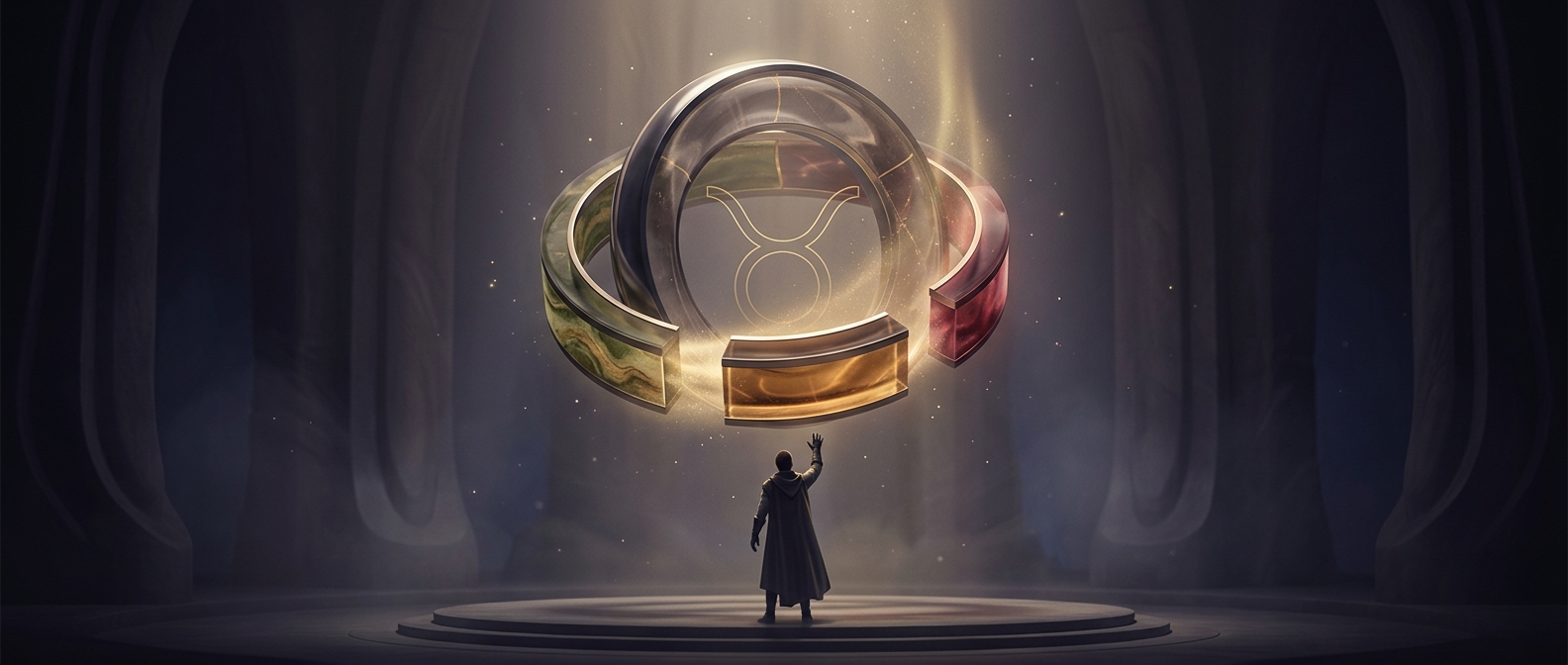
In astrology, the zodiac is treated as a 360-degree circle divided into 12 signs, each spanning 30 degrees. A decan—also called a decanate—is one of three equal slices within a sign. The first spans degrees 0 through 9, the second 10 through 19, and the third 20 through 29, using the usual convention of counting from the sign’s beginning.
That division gives an astrologer a finer-grained location for a planet or other chart point. Two people may both have the Sun in the same sign, for example, while the Sun falls in different decans. The decan does not change the sign; it adds another layer to the symbolic reading.
The extra layer depends on the tradition
Astrologers have used decans in different ways. Some associate each slice with a planetary ruler, while others draw on images or themes linked to that portion of the zodiac. These associations can be used to qualify a sign’s familiar interpretation—for instance, by emphasizing one quality over another—though the specific meanings are not universal across astrological systems.
Decans are therefore best understood as a tool within astrology’s symbolic framework, not as measured personality categories. Their practical appeal is precision: instead of stopping at a sign’s broad description, a reader can point to a smaller segment of the chart and ask how that tradition interprets it.