Why Willow Became a Symbol of Yielding
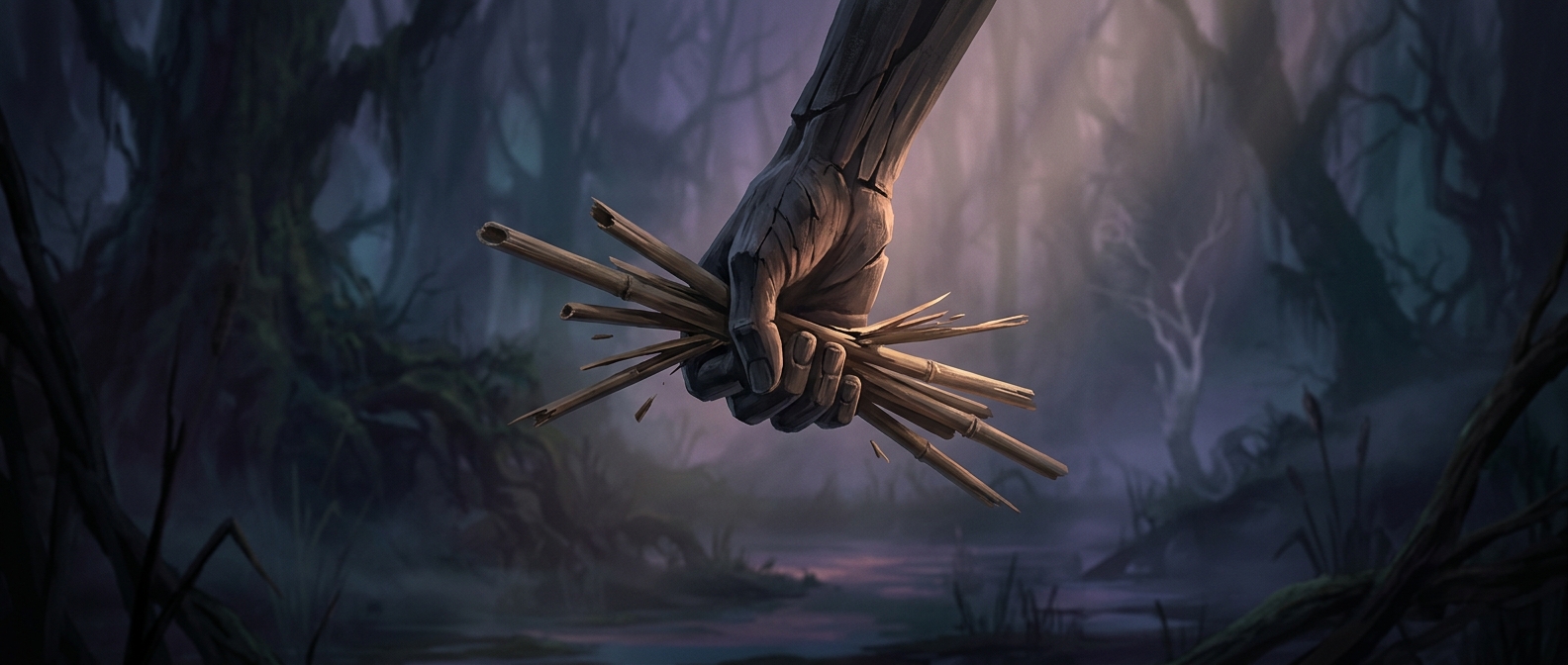
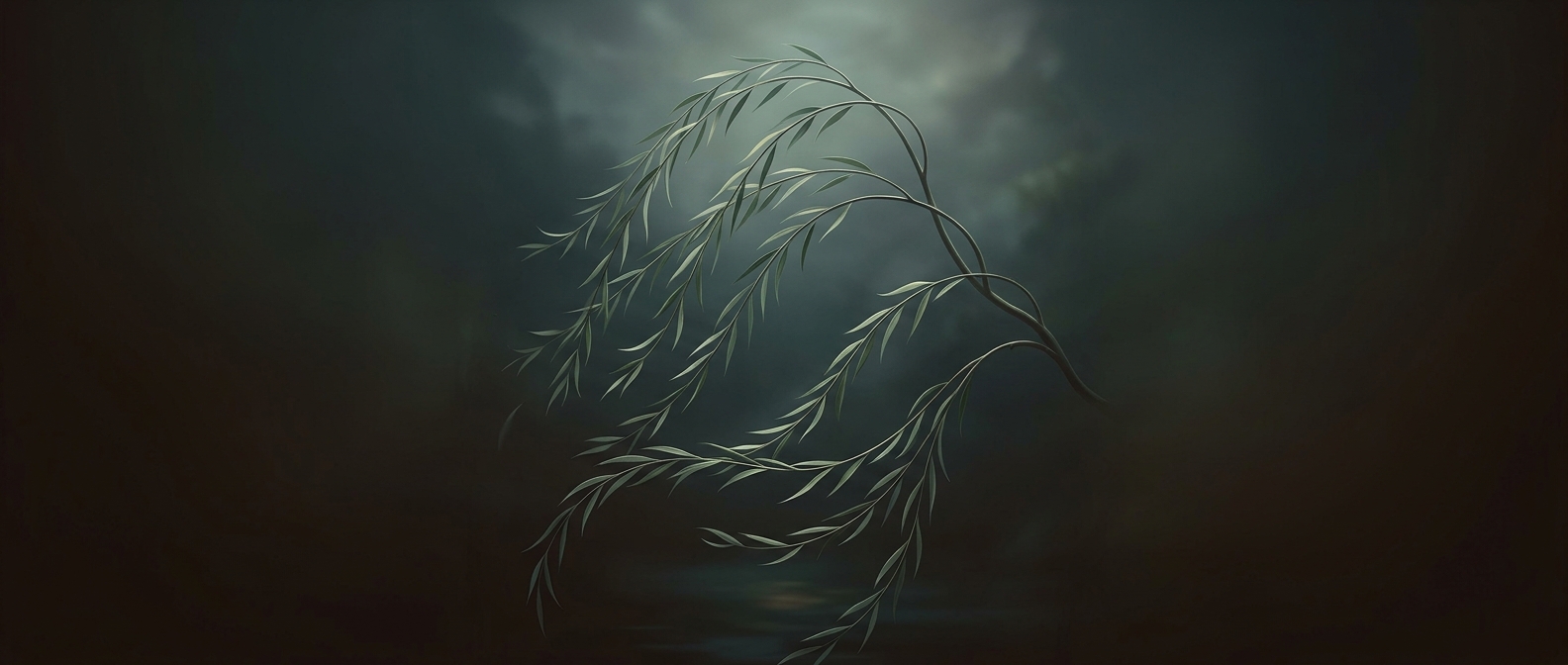
Willow’s meaning begins with a visible property: its long, supple branches bend under pressure rather than snapping as readily as more rigid limbs. In astrological botany—a symbolic tradition that links plants with celestial or spiritual qualities—that behavior becomes a model for how force might be met. Willow is associated not with blocking an impact, but with giving way, taking it in, and continuing to bend.
A Symbolic Logic, Not a Physical Claim
The association works by analogy. A practitioner sees a branch bow in wind and reads that motion as a quality: adaptability, receptivity, or endurance through flexibility. “Absorbing” force is therefore an interpretive description of willow’s character in the system, not evidence that the wood has a special protective power or literally cancels harm.
That distinction matters because the symbolism can shape how willow is used or discussed within a practice without making it a scientific account of what the plant does. Its appeal is the compact lesson in its form: resistance is not the only way to survive pressure; sometimes a structure lasts because it can move.