Why Water Can Preserve Alder
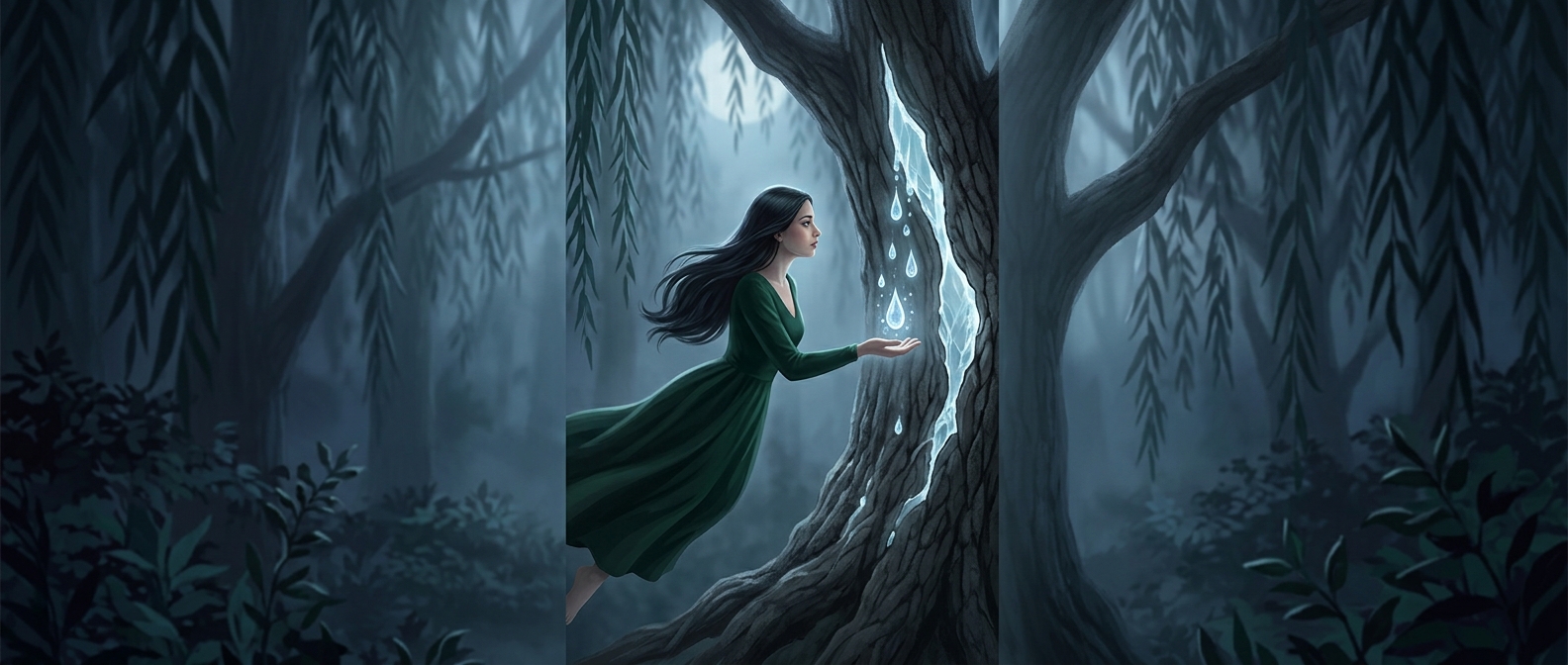
Wood usually rots when fungi and other organisms break down its tissues. Those organisms need oxygen, so a log buried in persistently waterlogged mud or kept below the waterline can decay far more slowly than one exposed to air. The water does not turn alder into stone; it limits the conditions that make ordinary decay proceed.
That protection depends on the setting. If water levels fall and the wood is exposed to air, decay can resume. The key is not simply “wet” versus “dry,” but whether the wood stays in a low-oxygen environment.
A Metaphor for Going First
Alder’s contrast makes it an apt image of a trailblazer: what seems vulnerable in one setting can endure in another. Its strength is not invulnerability, but a capacity to persist under conditions that change how it is tested.
The detail behind the symbolism is concrete: alder can be short-lived when exposed, yet remain useful when kept underwater. Its story turns on the environment around it as much as on the wood itself.