How a Monastery Ruin Becomes a Place to Stay
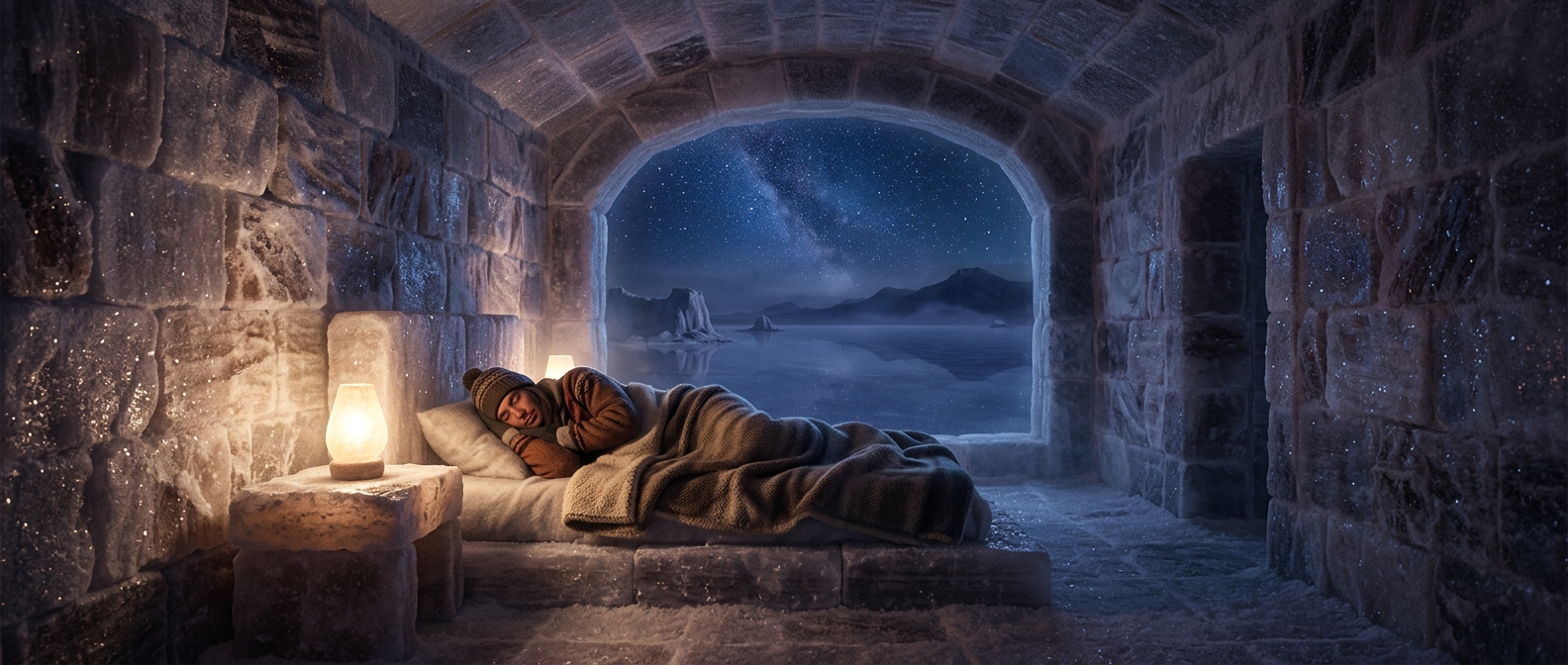
An overnight stay in a monastery ruin depends on a careful distinction: the building can remain visibly historic while a small part of it is made usable for guests. A vaulted ceiling—the curved stone or brick structure that once carried a roof’s weight—may still define the room, even when modern beds, lighting, bathrooms, and safety features are added around it.
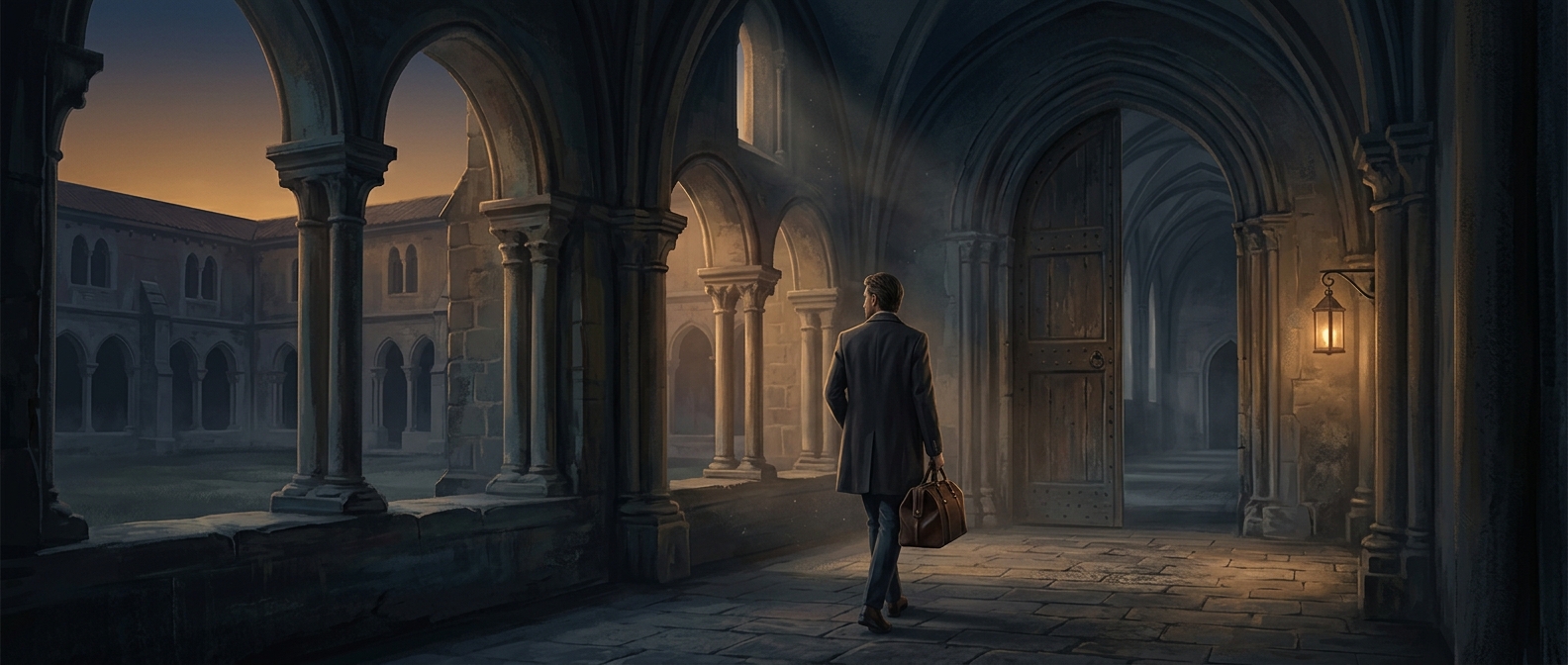
That balance shapes the experience. Thick masonry and enclosed courtyards can make the rooms feel sheltered and quiet, while worn stone, uneven surfaces, and traces of former walls keep the site from feeling like an ordinary hotel. The building’s age is not just decoration; it sets practical limits on where new services can go and how much the interior can be changed.
Preserving the Ruins While Welcoming Guests
Adapting a historic structure for lodging means fitting contemporary needs into a place that was not designed for them. Any changes must work with the surviving architecture rather than erase it. The result can be less standardized than a city hotel: comfort comes alongside visible irregularities and a sense of how the building was made.
For guests, the memorable detail may be the contrast between an everyday act—settling in for the night—and architecture built for a very different life centuries ago. The room becomes a way to encounter the ruins after visitors have left for the day, when their scale and quiet are part of the stay.