How The Archers made rural life a continuing story
First broadcast in 1951, BBC radio drama The Archers began with a practical purpose: to share information about farming through the lives of a fictional farming community. It gradually became less like a lesson delivered over the air and more like a soap opera, with farm work as the setting for stories about family, money, love and change.
That combination gives the series a dependable source of plot. Farming brings recurring pressures—weather, seasons, livestock and business decisions—while family relationships keep developing between broadcasts. The result is a drama in which an ordinary conversation can matter as much as a major event: listeners already know the people involved and the history behind what they say.
Building a world without pictures
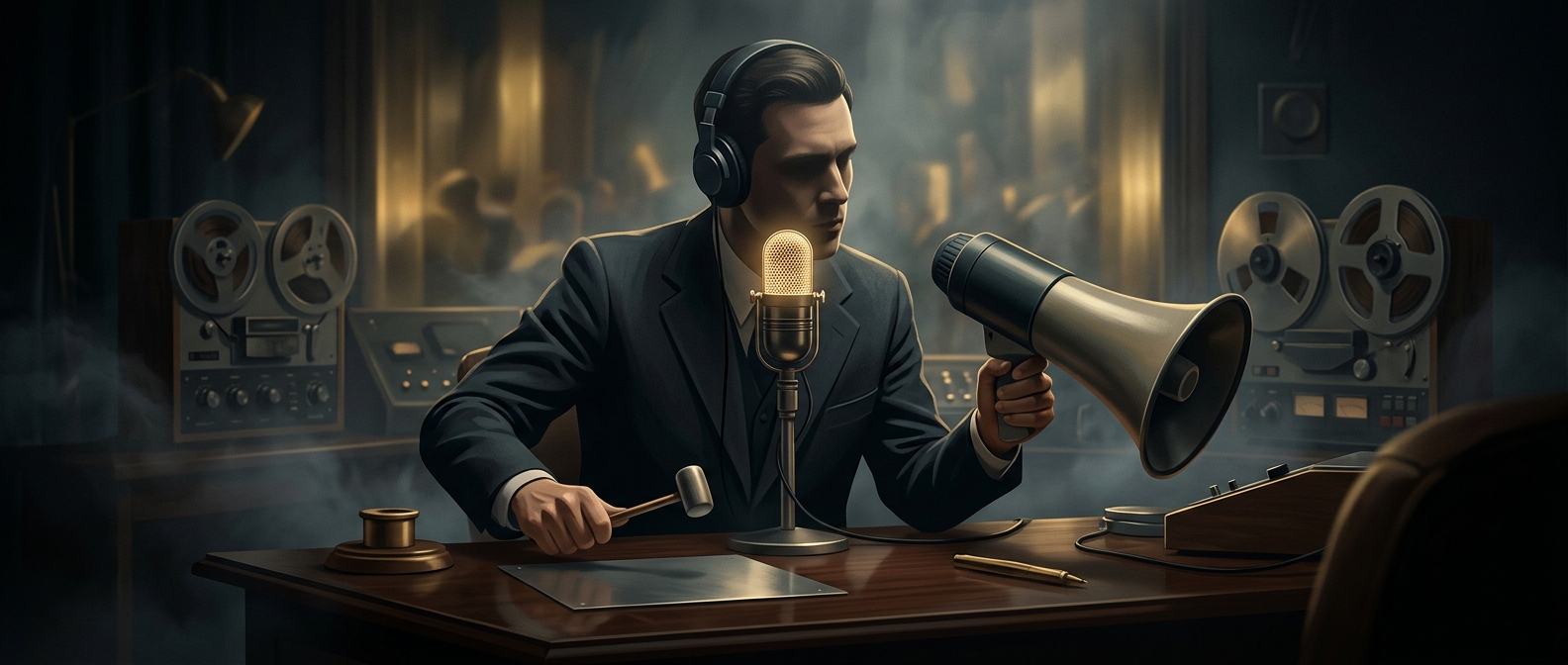
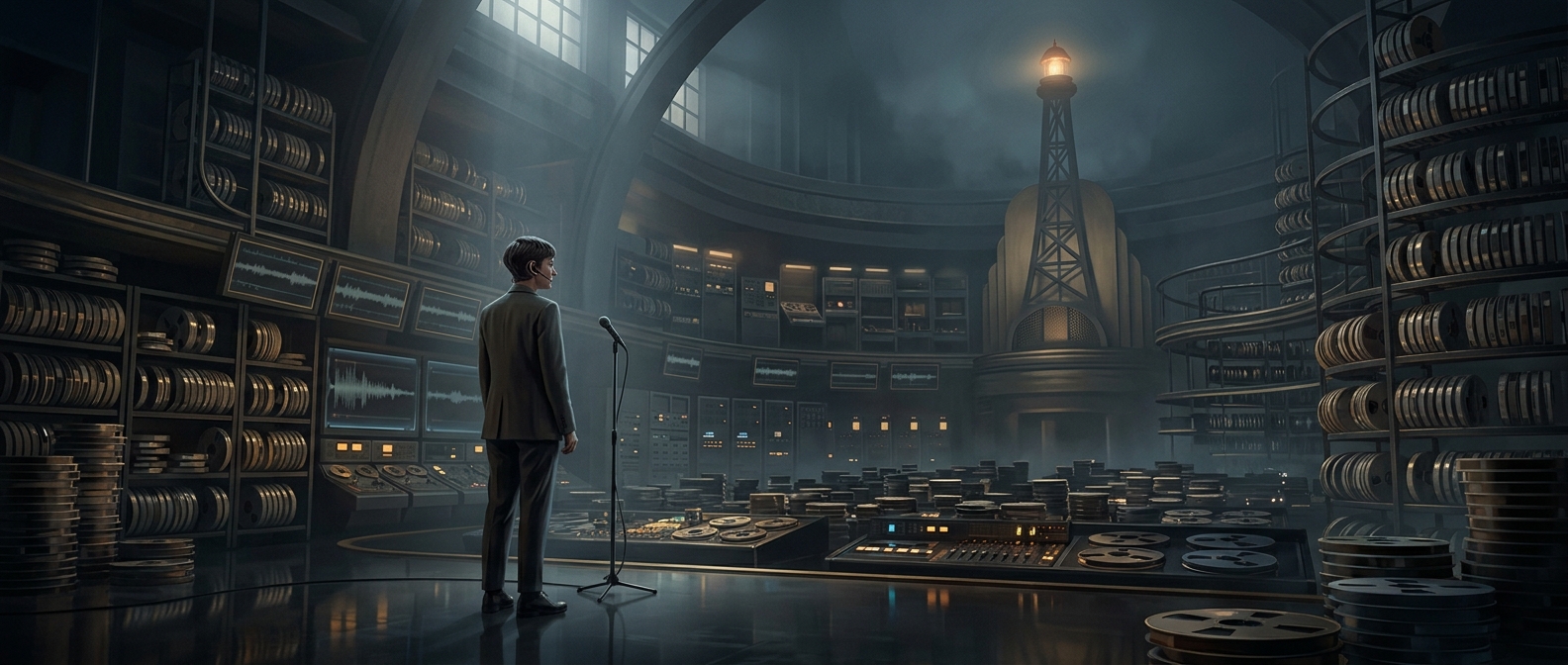
Radio asks the audience to imagine the village, so the production has to make its setting legible through sound. Voices, pauses and background effects can suggest whether a scene is in a kitchen, a pub or out on a farm. With no camera to show a character’s expression, what someone says—and what they avoid saying—has to carry the emotional detail.
The long-running format also lets change arrive at a human scale. A new technology or shifting attitude can enter the story through a family’s choices, not a detached explanation. After more than 19,000 episodes, the achievement is not simply length: it is a fictional community whose everyday routines give listeners a way to follow change over generations.