A reward system built around the next try
A loot box separates paying from knowing what you will receive. Instead of buying a particular costume or character, a player buys a chance at one item from a pool. That changes the decision: the question becomes not only “Is this item worth the price?” but “Could the next box finally contain the one I want?”
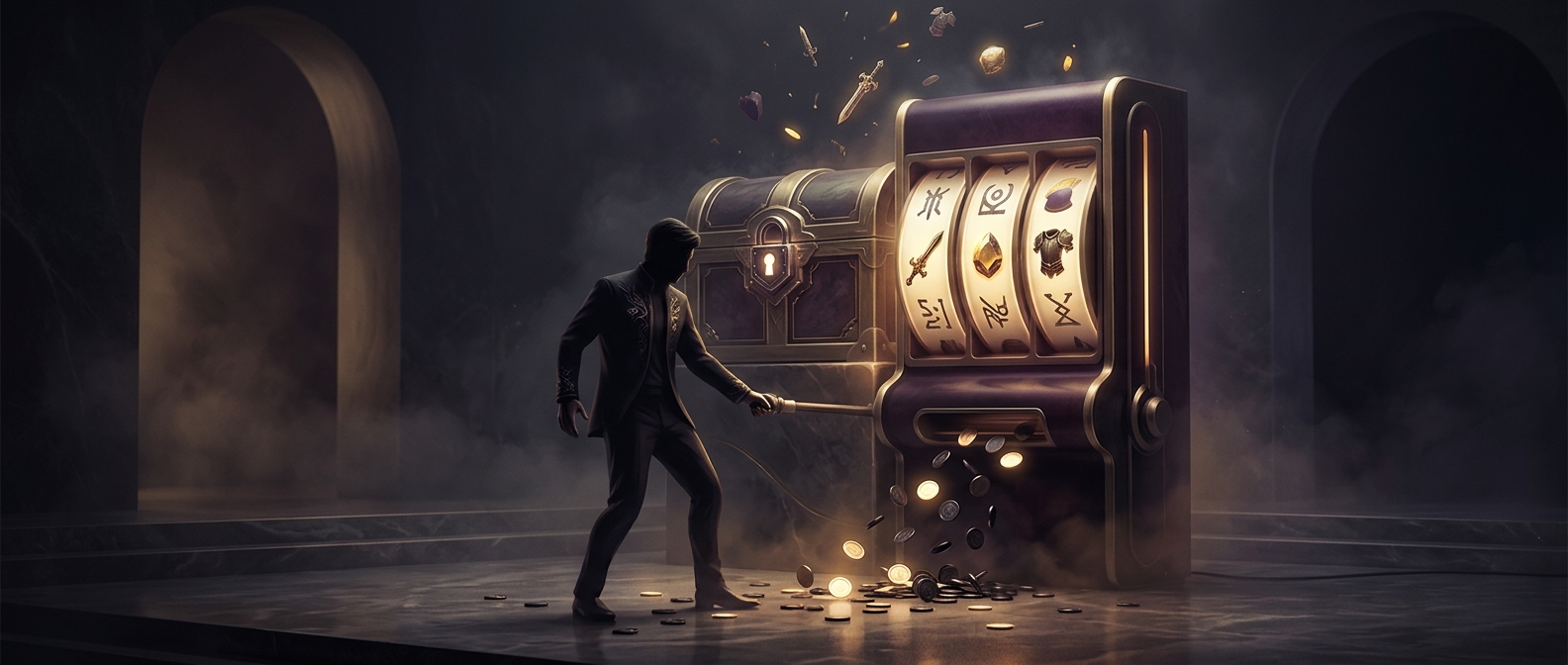
The uncertainty can keep a player opening boxes because each result arrives as a fresh possibility. In behavioral psychology, rewards delivered unpredictably can sustain repeated attempts; the player cannot tell in advance which attempt will pay off. The resemblance to a slot machine lies in that reward pattern, even though the game’s prize is usually a digital item rather than money.
Why the economics can favor more openings
The seller can offer many possible rewards at different levels of desirability. A player who wants one rare item may have to accept repeated outcomes they value less, and some systems can also award duplicates. The more the player cares about completing a collection or customizing a favorite character, the more those unwanted results can feel like obstacles to the desired one.
Payment design can make the cost harder to judge. When boxes are bought with virtual currency, players may first purchase a bundle of currency and then spend part of it per opening. The real-money price is less visible at the moment of each decision, while the remaining balance can nudge another purchase. The business advantage is that revenue comes from repeated chances, not just from selling a specific item once.
This does not mean every player responds the same way, or that every loot-box system is identical. But it explains why a small digital purchase can turn into a string of them: the sought-after reward stays just one opening away, while each opening makes the next decision feel newly tempting.