How a game’s progress bar becomes a schedule
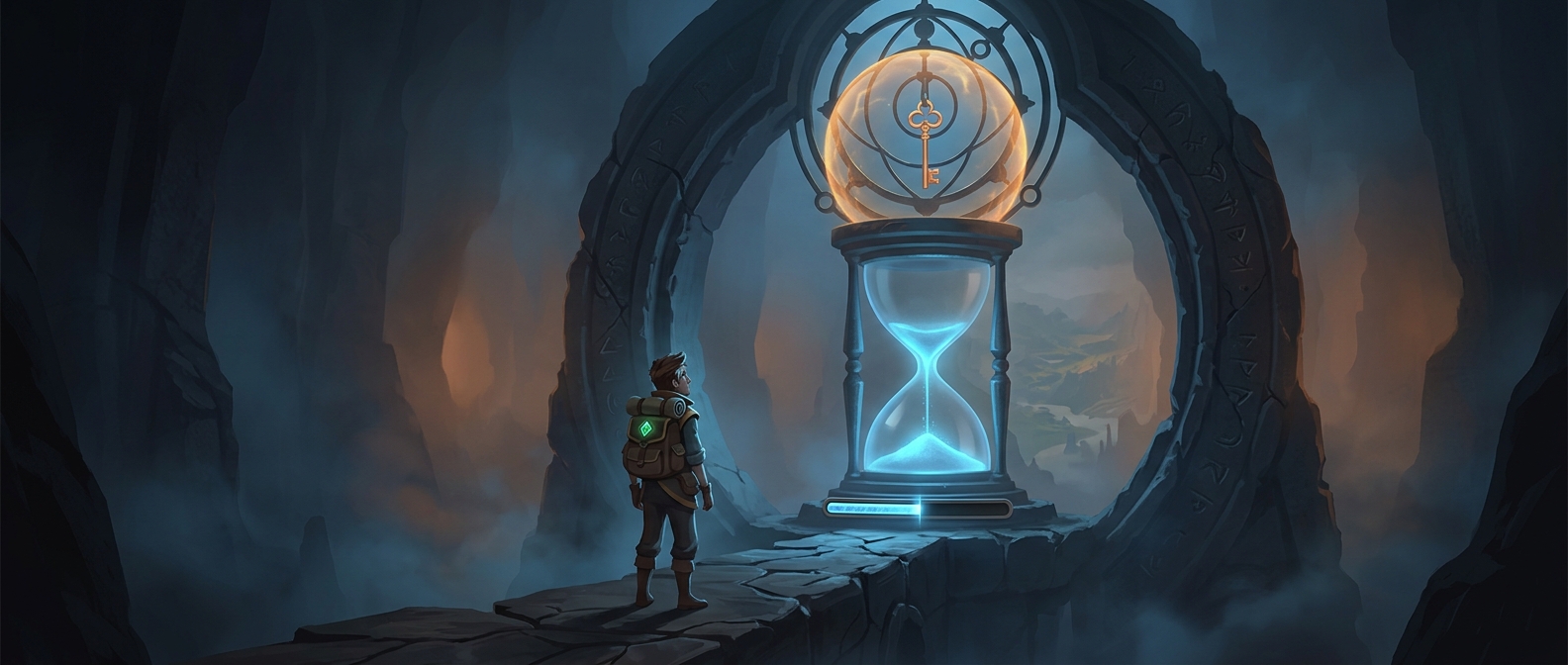
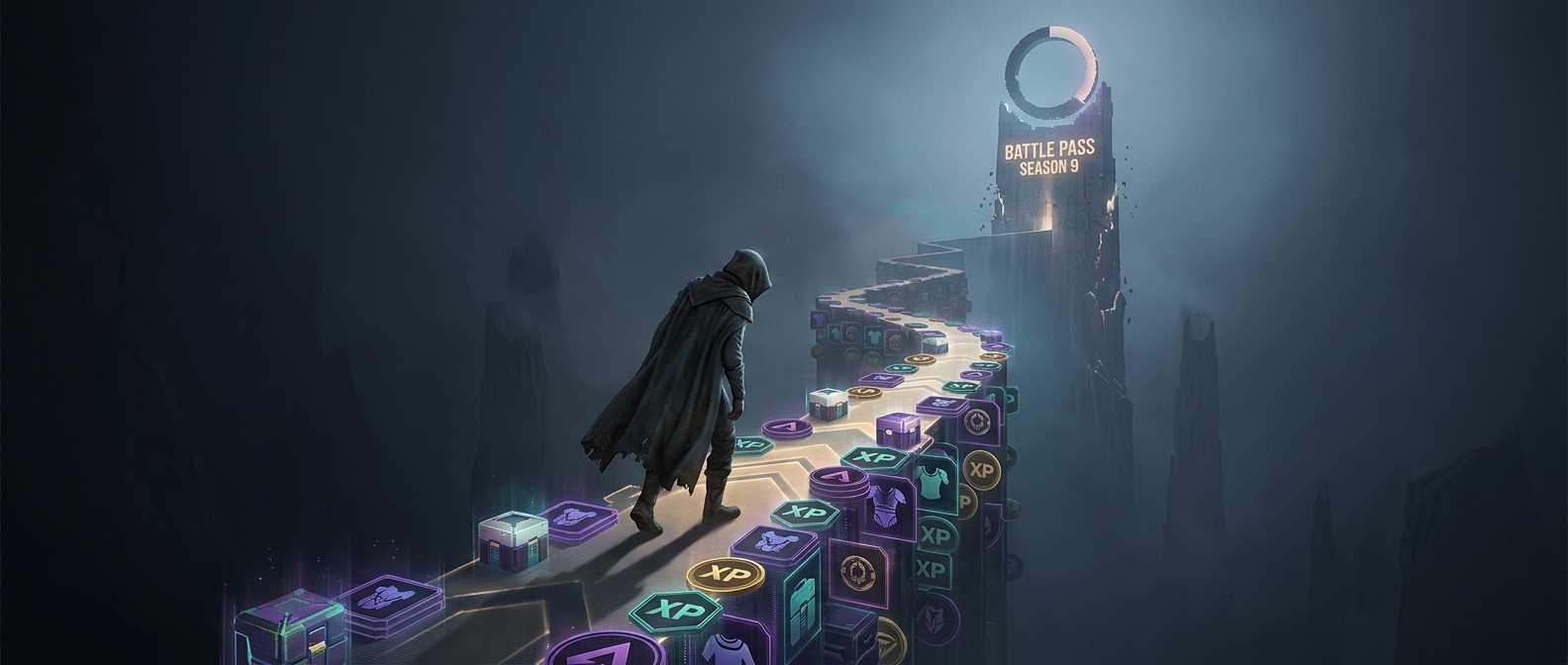
A long tier track does more than show how much content a game contains. It divides that content into milestones and gives each one a visible reward. When rewards are available only during a limited season, the track also becomes a clock: progress not earned before the season ends may be gone.
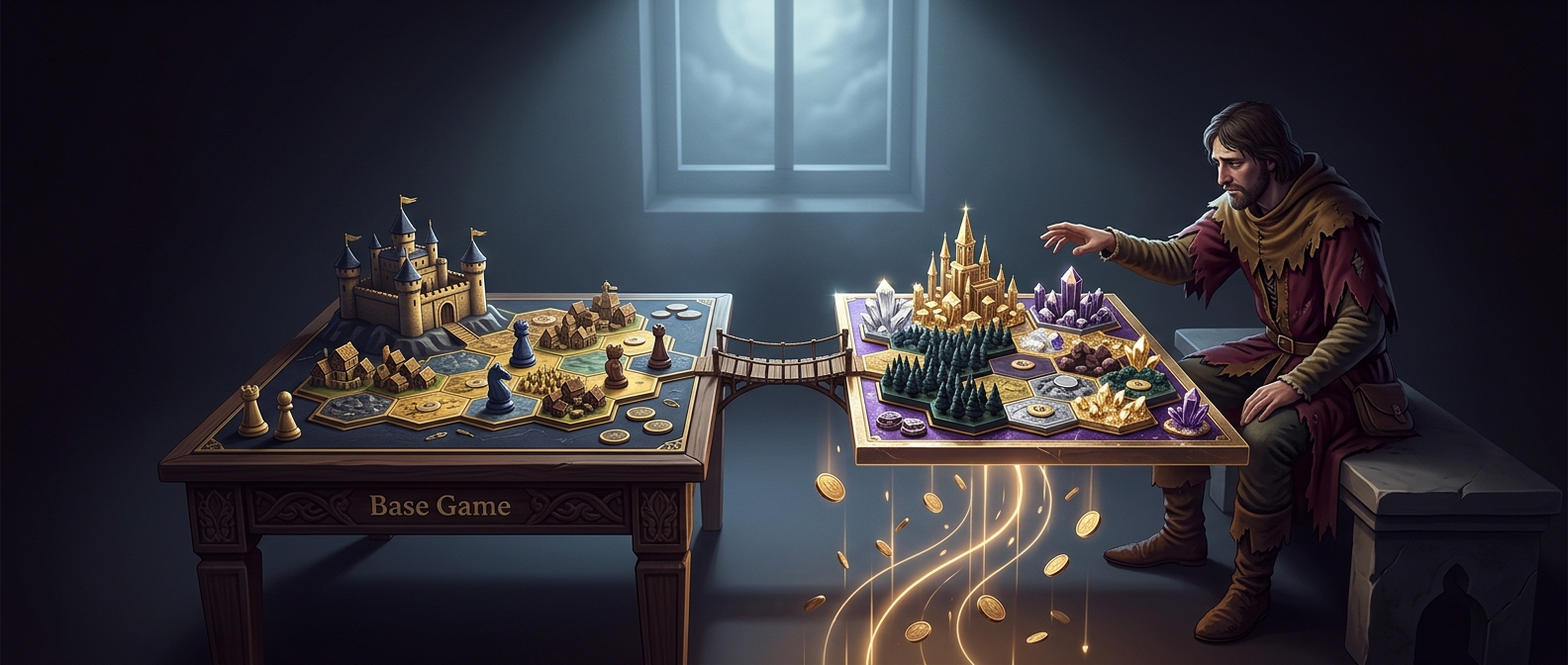
That structure is common in games supported over time through purchases such as season passes, cosmetics, or expansions. The game needs players to return, and recurring goals offer a reason to do so. Daily and weekly tasks make that return feel concrete: complete a match, earn a set amount of experience, unlock the next tier. Small steps can make a large track feel manageable, but they also encourage a regular routine.
The incentive—and the pressure
For players, the bargain is straightforward. Play consistently and a pass may deliver a stream of rewards for its price; play occasionally and some rewards may remain out of reach. Because the progress is visible, missing a session can feel like losing ground, even when there is no direct competition. Other players’ unlocks make that comparison easier to notice.
This is a tradeoff in the game’s design. A recurring track can give dedicated players goals and a sense of momentum, while limited-time rewards can make play feel urgent. The same features that help a game stay active can make leisure resemble an obligation: players may log in not because they are eager to play, but because they do not want today’s progress to become tomorrow’s regret.
The telling shift is that the checklist does not have to demand hours at once. A task that takes only a short session can still claim a place on the calendar when it returns every day.