How a timer becomes a revenue lever
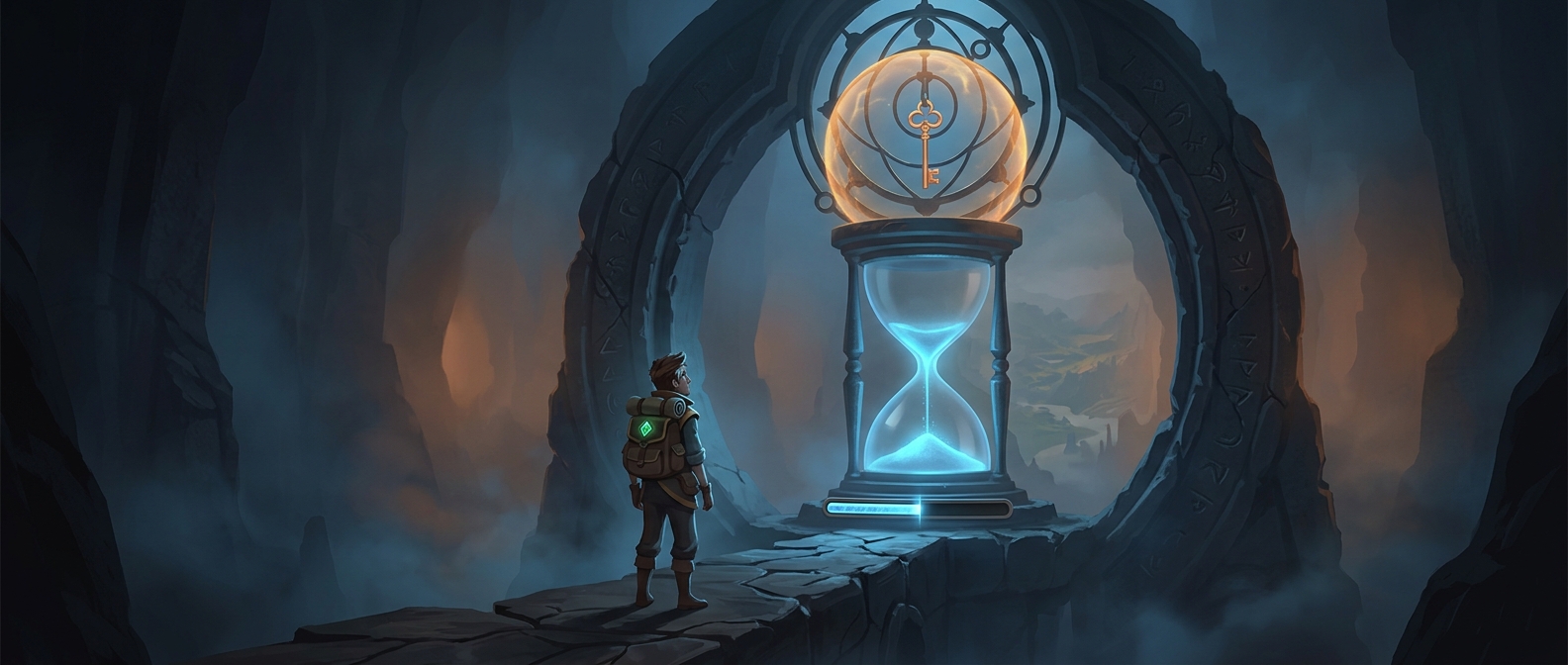
In many free-to-play games, waiting is part of the game’s economy. An upgrade may require a resource, a construction slot, or an action that becomes available only after a countdown. The delay limits how quickly players can advance, helping the game keep its progression from being completed all at once.
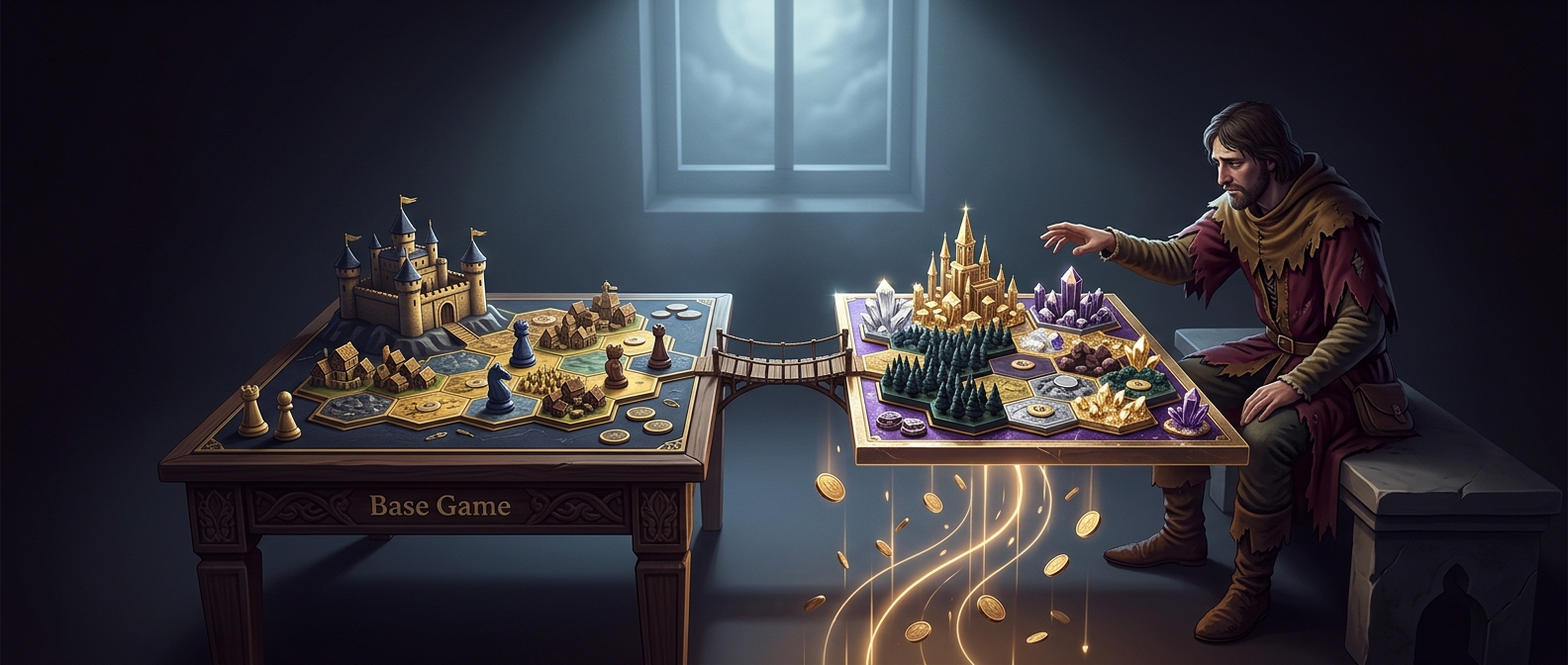
A paid skip changes the value of that delay. Instead of charging for the game itself, the developer offers a way to trade money—or a premium currency bought with money—for time. The purchase feels especially relevant when a player has already invested effort in the upgrade and is ready to move on. The timer creates the moment when paying has an immediate, visible benefit.
Why the wait is carefully placed
Timers also shape the rhythm of play. Short waits can encourage players to check back later; longer ones can make progress feel slower unless the player uses a skip. This gives developers another way to balance free progression against optional spending. Players who are content to wait can keep playing without paying, while those who value faster progress have a clear purchase to consider.
The design has a tradeoff: a delay can make progress feel earned, but too much friction can make the game feel like it is withholding play. A skip button is most effective as a business tool when the wait is noticeable enough to matter but the underlying game remains playable without paying. The timer does more than measure time: it creates a choice between patience and convenience.