The sale is a chance, not a character
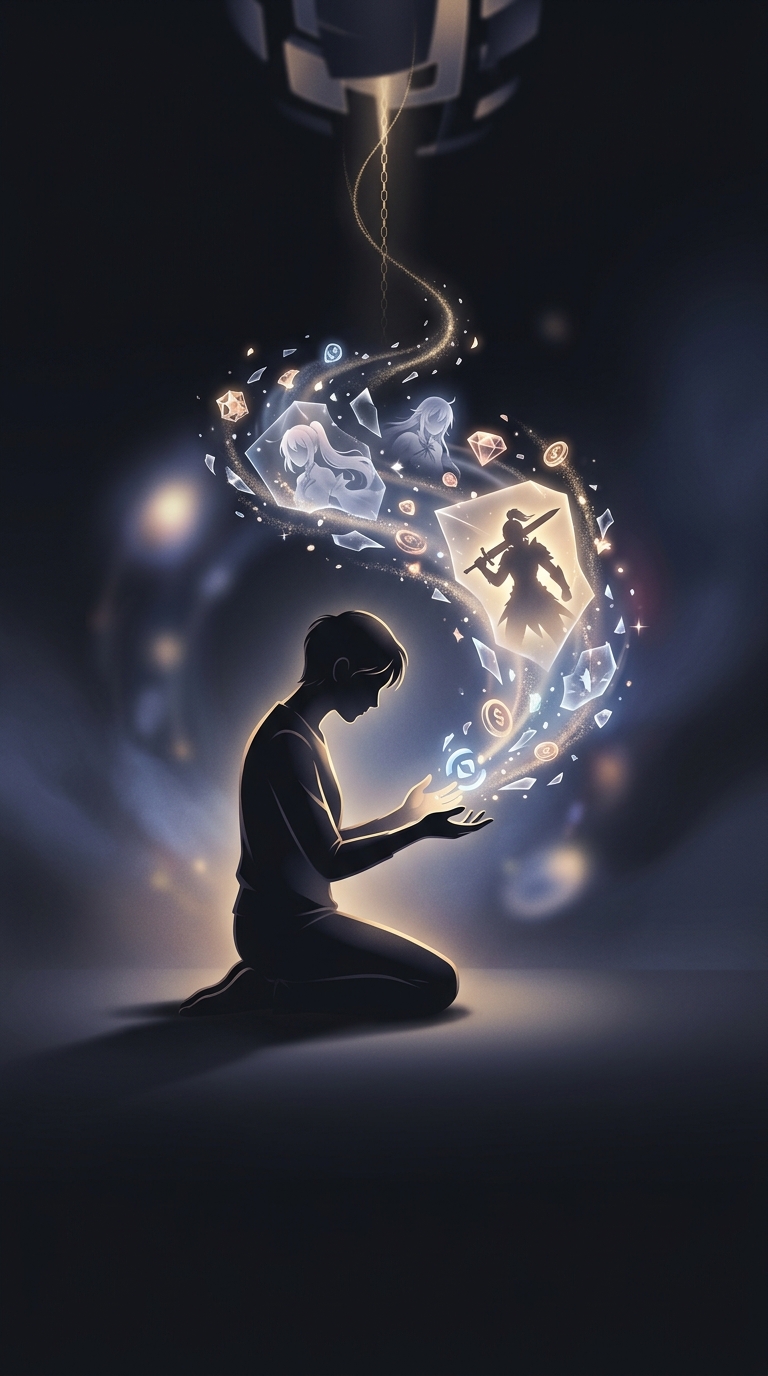
In a gacha game, players spend premium currency on a randomized draw, or “pull.” That currency may be bought with real money, but the pull does not guarantee a particular character. It buys a probability of getting one. When a featured character has a drop rate below one percent, most individual pulls will not produce that character.
This changes what the player is paying for: not a fixed item, but repeated attempts at an uncertain result. A player who wants one specific character may spend far more than the price of a normal game purchase—and still may not get the character from any given pull.
Why the odds can keep spending going
Random rewards can make another attempt feel tempting. Each pull offers a fresh chance, and a near miss or a run of unlucky results can make the desired outcome feel close, even though earlier pulls do not improve the odds of the next one unless the game explicitly has a system that changes them.
Premium currency also adds a step between spending money and seeing a price per attempt. Players buy a balance of currency, then use it for pulls, which can make the real-world cost of repeated tries less immediate. The commercial incentive is clear: revenue comes not only from selling access to a character, but from players making repeated purchases in pursuit of one.
A different kind of game purchase
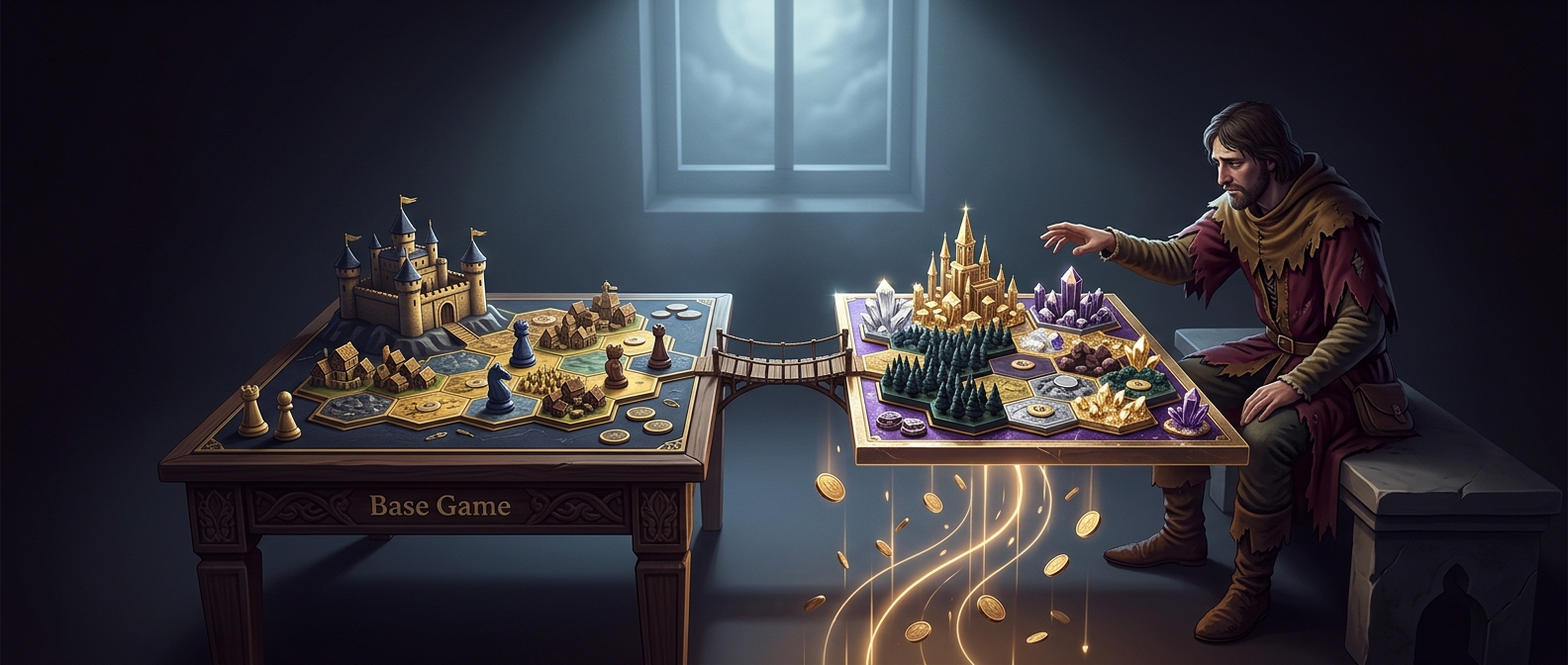
That structure shifts risk to the player. A conventional purchase delivers a known item; randomized pulls deliver uncertain results. The distinction matters most when a player is pursuing a particular character rather than simply enjoying whatever the draw provides: the spending can be predictable for the company while the outcome remains uncertain for the customer.