Why a Small Spending Group Can Support a Huge Player Base
A free-to-play game has a pricing problem: charging everyone upfront can keep people away, but running a popular online game costs money. Servers must handle play and save account data; teams also have to fix bugs, release updates, and support players. Letting anyone start for free removes the purchase barrier and can build a much larger audience.
Revenue then comes from optional purchases. Players might buy a season pass, cosmetic items, extra attempts, or digital currency used for other goods. Because a small number of players may spend far more than the typical player, game businesses often call them whales. The term describes a revenue pattern, not a separate kind of player.
The Spending Loop—and Its Tradeoff
A large player base creates more chances for purchases, while paid items can be designed to appeal to different motives: personal style, collecting, faster progress, or access to limited-time content. Digital currency can make the price of an item less immediate by separating the purchase of currency from the later purchase inside the game. That may encourage spending, though players still vary widely in what they value and how much they choose to spend.
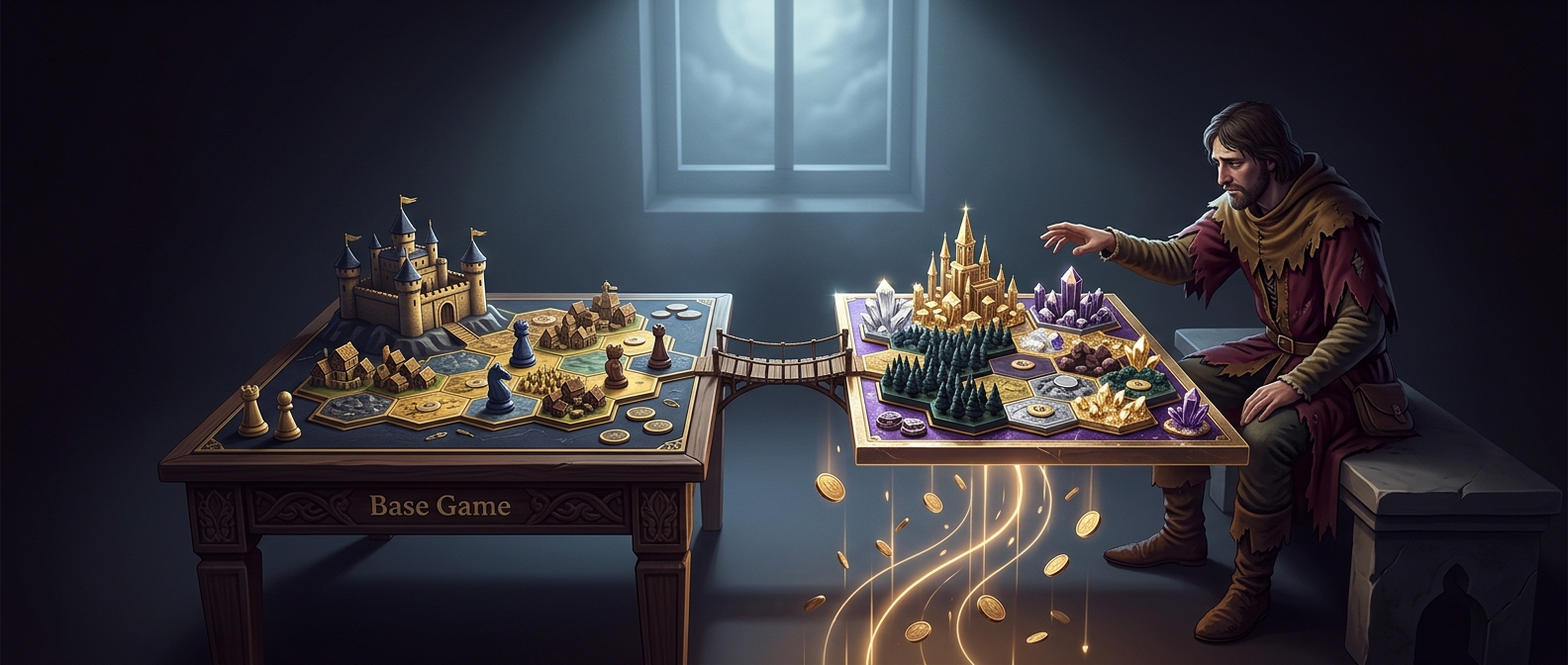
The money is pooled with other revenue; it is not necessarily assigned directly to a particular server or feature. It can help pay for ongoing operations and future development. But relying heavily on a small group creates a business risk: if those players lose interest, or if the game’s purchases feel unfair, revenue can fall even while many people still play. The model works best when free players have a satisfying game and spending adds value without making everyone else feel shut out.