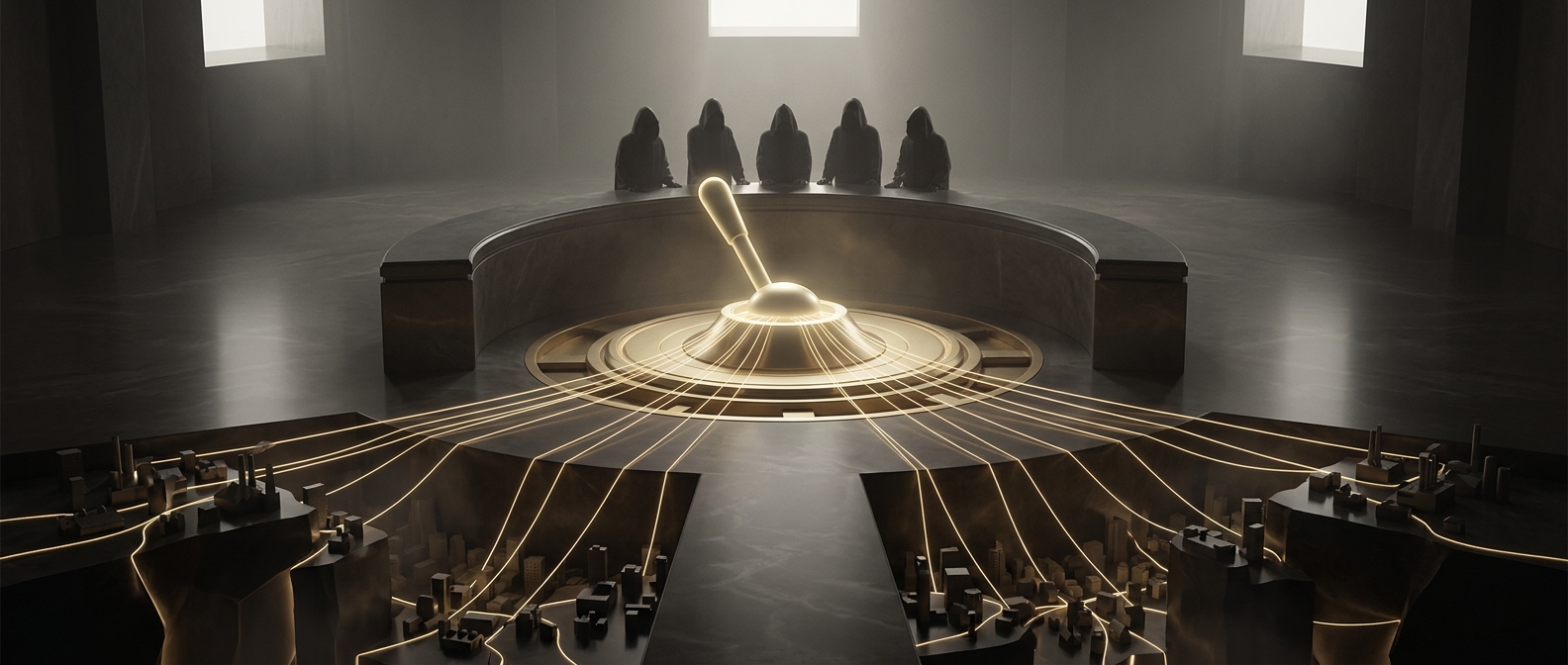
Why comfortable lives can coexist with concentrated wealth
A household can have a phone, reliable heat, and clean water without owning much of the economy. Those things reveal access to modern goods and infrastructure; they do not show who owns homes, land, businesses, or financial assets—or who receives the returns from them.
That distinction is between income, money coming in over time, and wealth, the assets a person owns minus debts. A paycheck can support a comfortable life while leaving little to invest. Meanwhile, someone who already owns valuable property or shares can gain as those assets rise in value, then use them as collateral or pass them on. Wealth can therefore build on itself across years and generations.
How ownership widens the gap
The divide grows when asset gains accrue mainly to people who already hold assets, while many others spend much of their income on essentials such as rent, food, and debt payments. Housing makes the contrast easy to see: one person pays a landlord each month, while the landlord owns an asset that may generate rent and increase in value. Both participate in the same modern economy, but only one accumulates ownership through that exchange.
This is why everyday conveniences can obscure inequality. A widely available product may improve life without giving its users a share in the companies, property, or infrastructure that produce it. Modern technology changes what people can use; it does not automatically change who controls productive assets.
Where the feudal comparison fits—and where it stops
The comparison to lords and serfs points to a recognizable pattern: a small group holds substantial property, while many people depend on selling their labor or paying to use what others own. But modern economies are not medieval manors. People have legal rights and choices that serfs did not, and wealth is held through many forms of property and finance rather than one lord’s land.
The useful question is not whether modern life literally resembles a village centuries ago. It is whether access to comfort has been mistaken for a fair share of ownership—and who gets to keep the returns when assets grow.