Venus’s changing visibility became a royal warning system
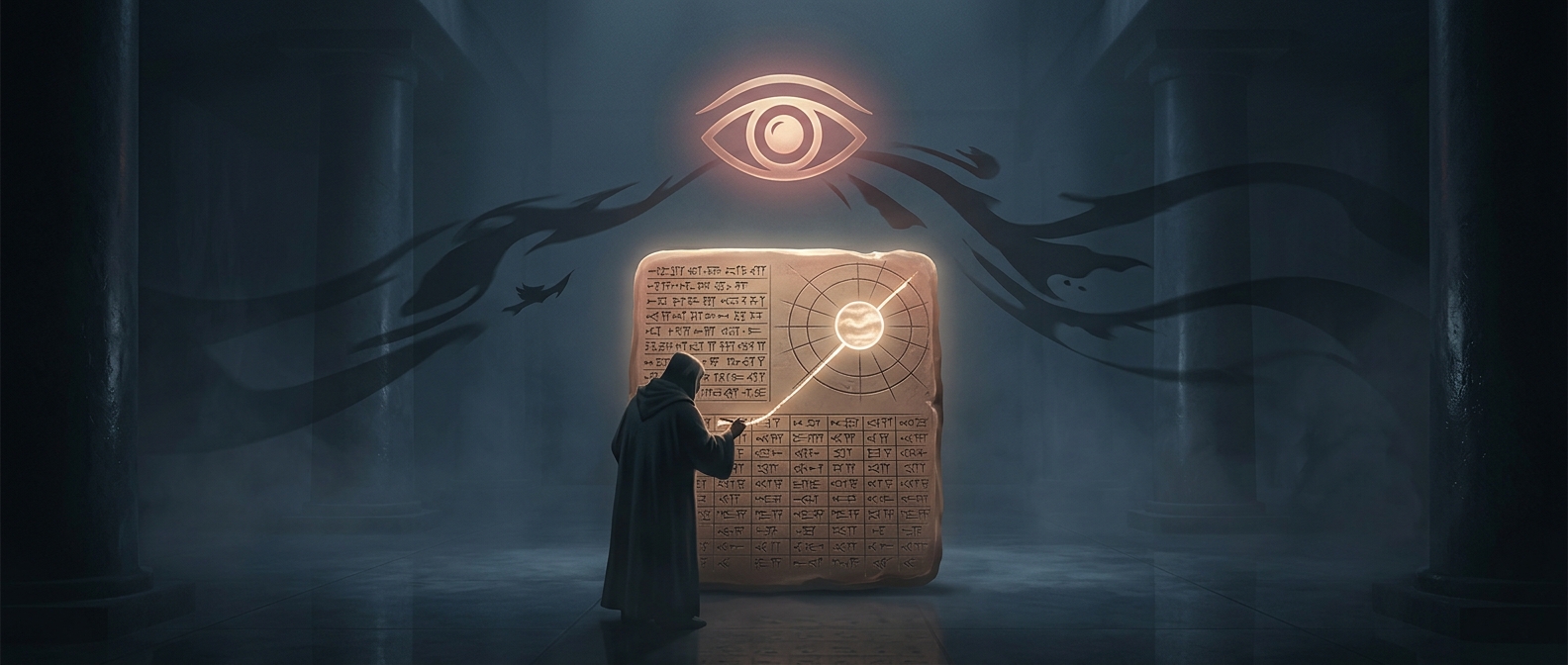
The Babylonian text now known as the Venus Tablet of Ammisaduqa records when Venus appeared and disappeared in the sky across a span of 21 years. Venus does not shine visibly every night: as it moves around the Sun from Earth’s perspective, it can appear near sunrise or sunset, then vanish into the Sun’s glare for a time. Tracking those changes gave Babylonian observers a recurring pattern to watch.
The tablet links these appearances to omens—interpreted signs about what might happen on Earth. Its entries connect Venus’s behavior with possible outcomes for the king and the kingdom, including threats to royal power. This was not astronomy in the modern sense of testing physical causes. It was a system for reading celestial events as messages about human affairs.
From observation to omen
A useful way to understand the text is as a record with two layers: first, what Venus was seen to do; second, what that event was thought to foretell. Repeated observations helped make the first layer more systematic. The omen tradition supplied the second, turning a planet’s appearance or absence into a warning that could matter at court.
The connection to the king was practical as well as religious. In Babylonian political life, the ruler’s safety and the stability of the kingdom were closely linked. A prediction of danger to the king therefore carried implications for the state, not merely for one person. Celestial records could help court officials decide what risks to watch for and how to respond to an ominous sign.
A ledger of the sky—and its meaning
The clay tablet’s plain, repetitive entries can look spreadsheet-like to a modern reader, but the pattern is the point: observations were preserved so that signs could be recognized and interpreted. The striking leap was from tracking Venus’s schedule to treating that schedule as guidance about earthly power.