A prophecy that became evidence
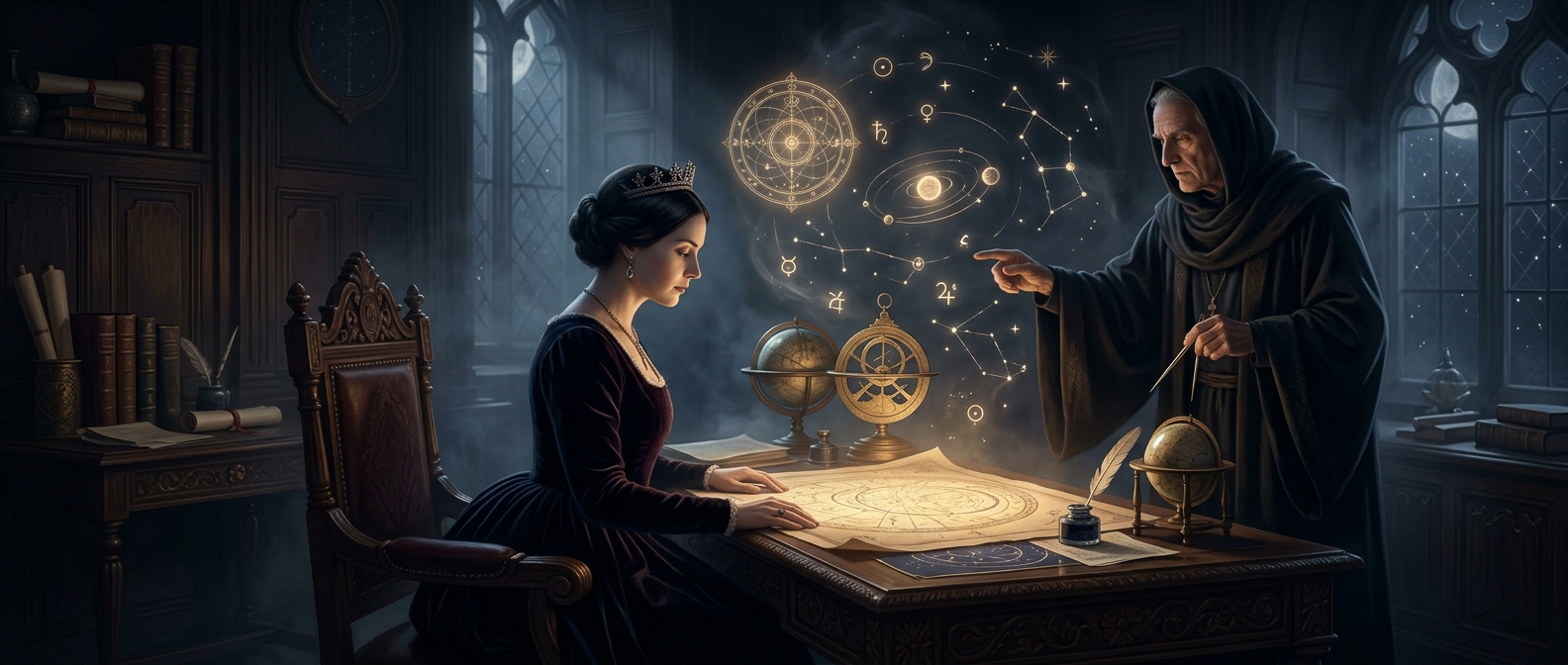
William Lilly’s image of a city in flames became more than a curious old prediction after London burned in 1666. In a world where astrology was taken seriously by many readers, a printed picture that seemed to match a catastrophe could look like foreknowledge—and, to suspicious officials, perhaps a clue to its cause.
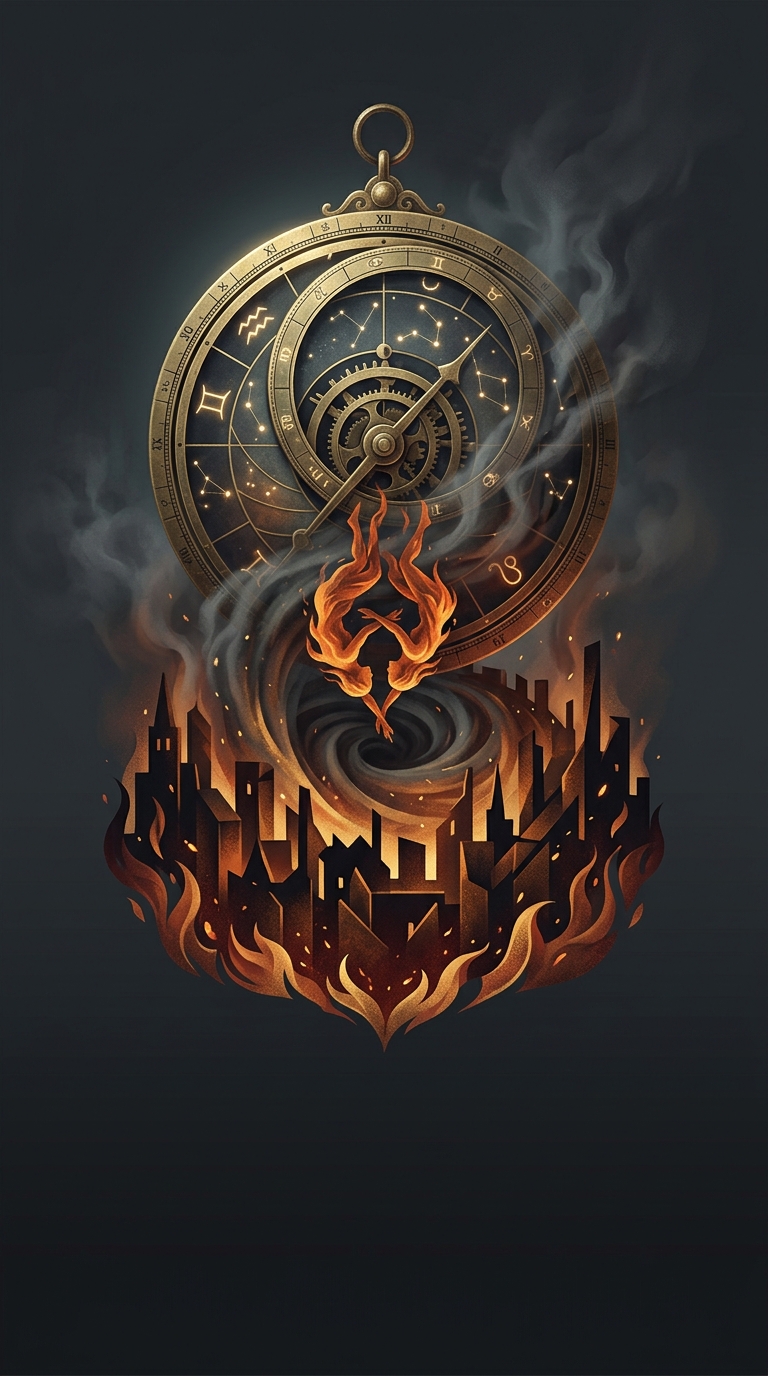
The image appeared years before the Great Fire, in a pamphlet using astrological symbolism. Its figures and burning city were not a precise map or a dated forecast. But after the disaster, readers connected the scene to London and to Gemini, the sign represented by twins. The apparent match gained force from interpretation after the event: the fire supplied a real catastrophe against which an ambiguous image could be read.
Why Parliament questioned Lilly
The fire destroyed much of the city, and rumors of deliberate arson spread amid the upheaval. Lilly’s image made him an obvious person to question: if he had seemed to know what would happen, officials wanted to know whether he had helped make it happen. Parliament examined him, but an uncanny-looking prediction was not proof of a plot.
The episode shows how prophecy could acquire political consequences. A prediction did not need to explain how a fire would start to provoke suspicion; seeming to anticipate disaster was enough to make its author look entangled in it. Lilly’s pamphlet survived as a striking image, while the inquiry captured the fear that a forecast might be more than a forecast.