How a balance keeps charging you
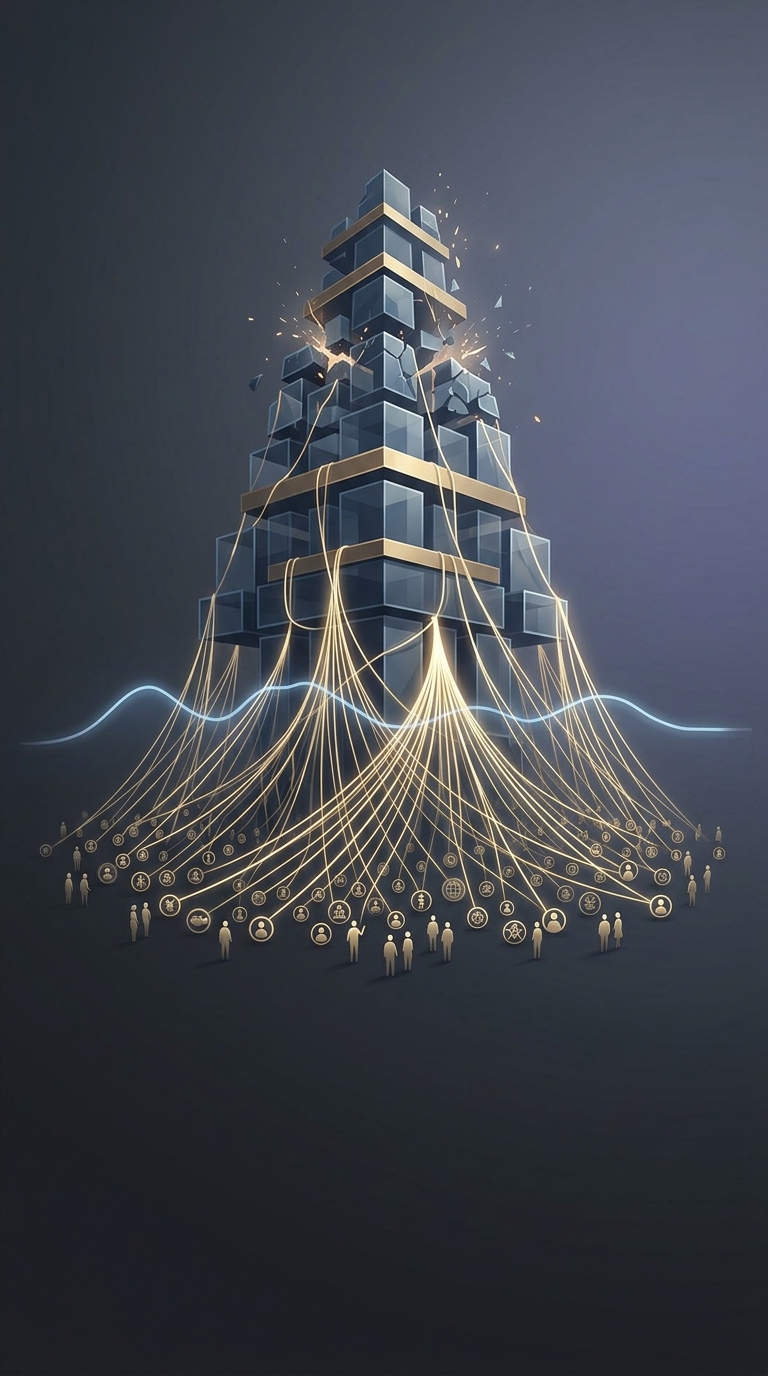
A credit card balance is not a one-time loan with a fixed repayment schedule. Interest is added to what remains unpaid, and the next interest charge is calculated on a balance that may already include earlier interest. That compounding makes time costly: the longer a balance sits, the more of each future payment can go toward the lender rather than reducing what was borrowed.
A minimum payment is designed to keep the account current, not to clear it quickly. When the required payment is small relative to the balance and interest, only a limited amount may reduce the original debt. New purchases can erase that progress. The exact payoff time depends on the card’s terms, the balance, and whether spending continues, but paying only the minimum generally means paying more interest over a longer period.
The cost is more than the interest
Debt used for a lifestyle purchase usually leaves no asset that can help repay it. Meanwhile, the monthly payment claims income that could otherwise cover necessities, build savings, or be invested. That is an opportunity cost: money committed to debt cannot serve those other purposes.
High required payments also leave less room for unexpected expenses. A car repair or medical bill can then push someone to borrow again, turning a temporary shortfall into a recurring cycle. The pressure is especially strong when a person is carrying balances on several cards, each with its own payment and terms.
Why repayment changes the picture
Reducing principal—the amount originally borrowed—shrinks the base on which future interest is charged. Once expensive card debt is paid down, the same monthly cash flow can begin building a buffer or supporting longer-term goals instead. The key consequence is not simply a bigger bill: interest redirects future income away from choices the borrower could have made for themselves.