A boy cast as the vehicle of a World Teacher
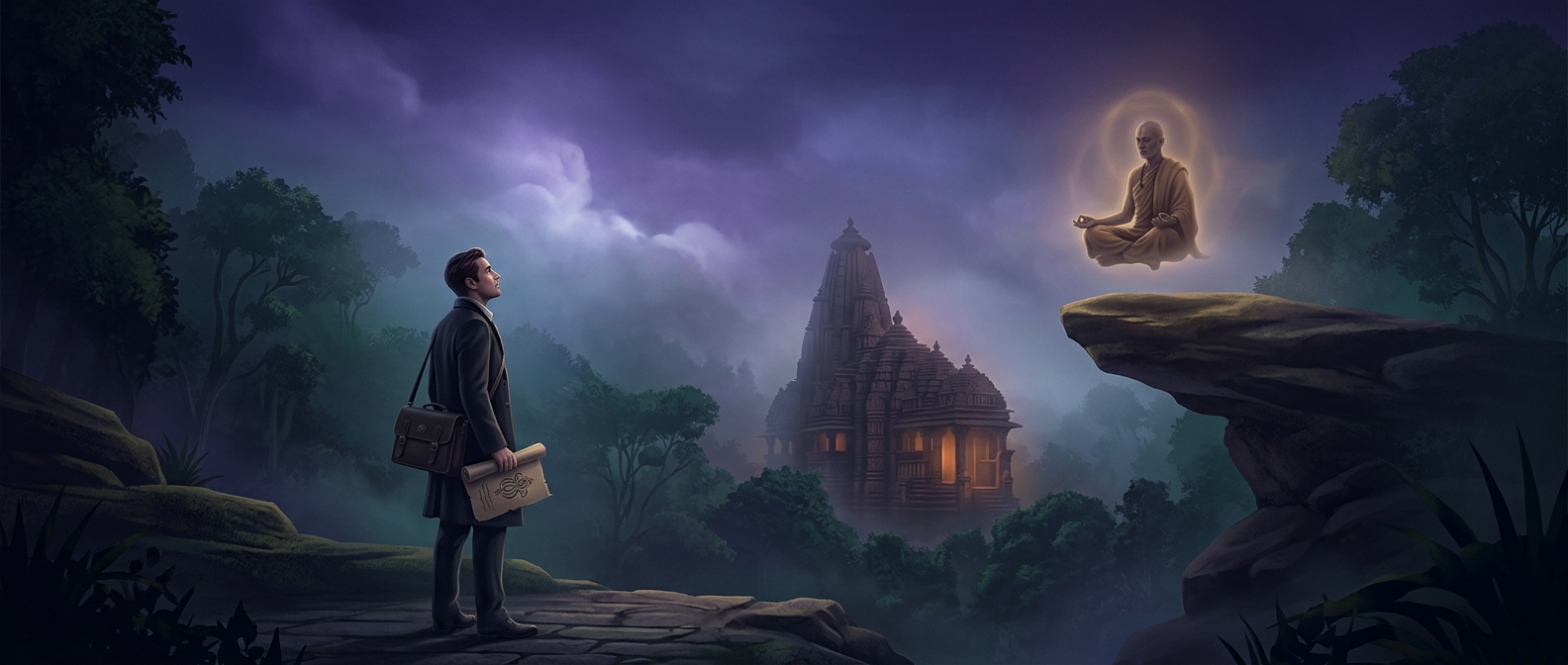
The Theosophical Society blended spiritual inquiry with beliefs drawn from several religious traditions. Some of its leaders expected a great spiritual figure—often described as the World Teacher—to appear and guide humanity. They came to see that figure in Jiddu Krishnamurti, a boy they encountered in India in 1909.
Annie Besant, then president of the Society, took responsibility for his upbringing and education. The Society built an organized following around the expectation of his future role, including the Order of the Star in the East, which promoted him as the coming teacher. Krishnamurti was not simply being prepared to speak: an international movement was being arranged to receive his words as spiritual authority.
Why he dissolved the movement
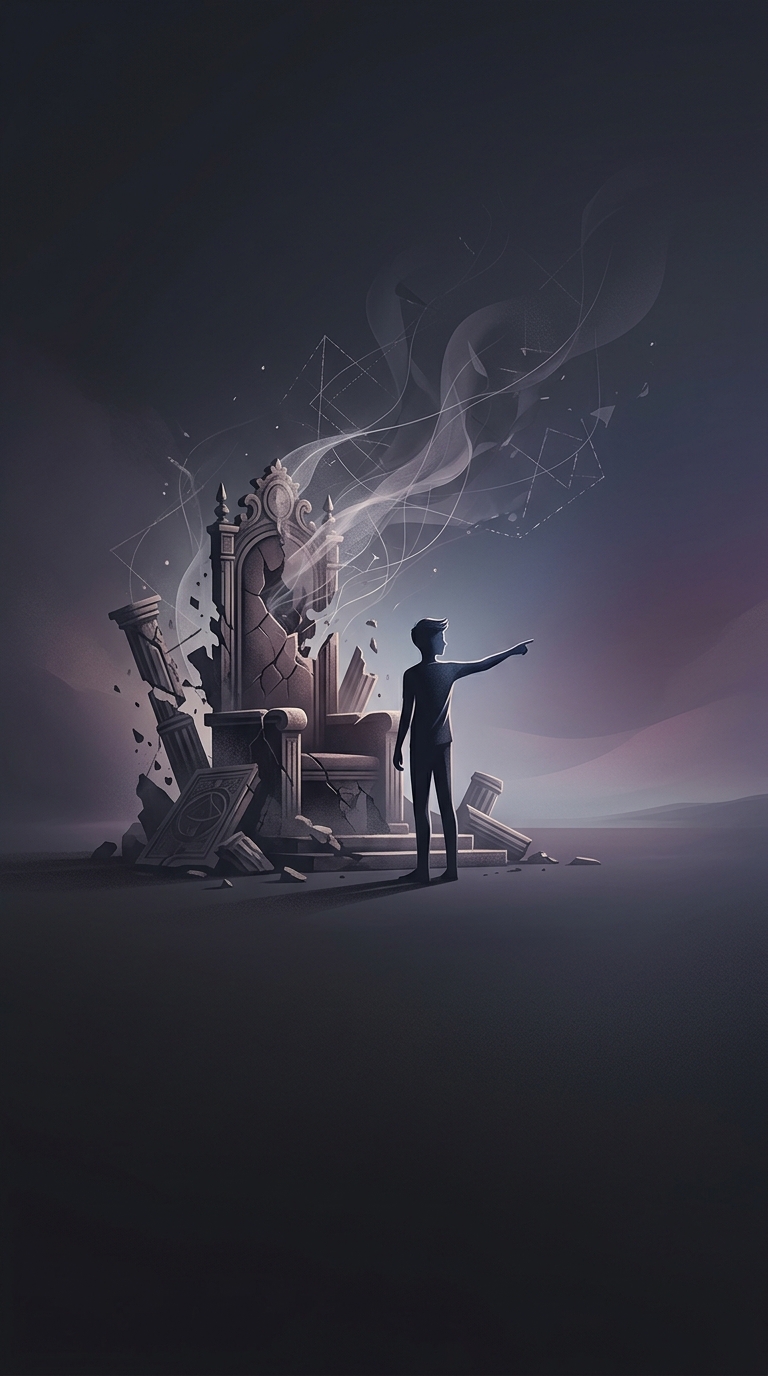
By 1929, Krishnamurti rejected the framework that had been built around him. At a gathering of the Order in the Netherlands, he dissolved it and argued that truth could not be reached through a particular organization, creed, or leader. His phrase, “truth is a pathless land,” captured the contradiction he saw: a movement promising liberation could become another system people followed instead of examining experience for themselves.
The decision was consequential because he gave up the institutional platform and following prepared for him. Rather than replace the Order with a new organization, he continued speaking and writing independently, urging listeners not to accept ideas merely because a revered teacher—or Krishnamurti himself—had expressed them.
The reversal that made the story endure
The striking turn is not just that a predicted spiritual figure rejected his appointed role. He also rejected the machinery that had made the prediction powerful. The Society’s years of preparation gave him an audience; his break with it became a practical demonstration of his central challenge: can people seek understanding without turning a teacher into another authority to obey?