A hidden source of spiritual authority
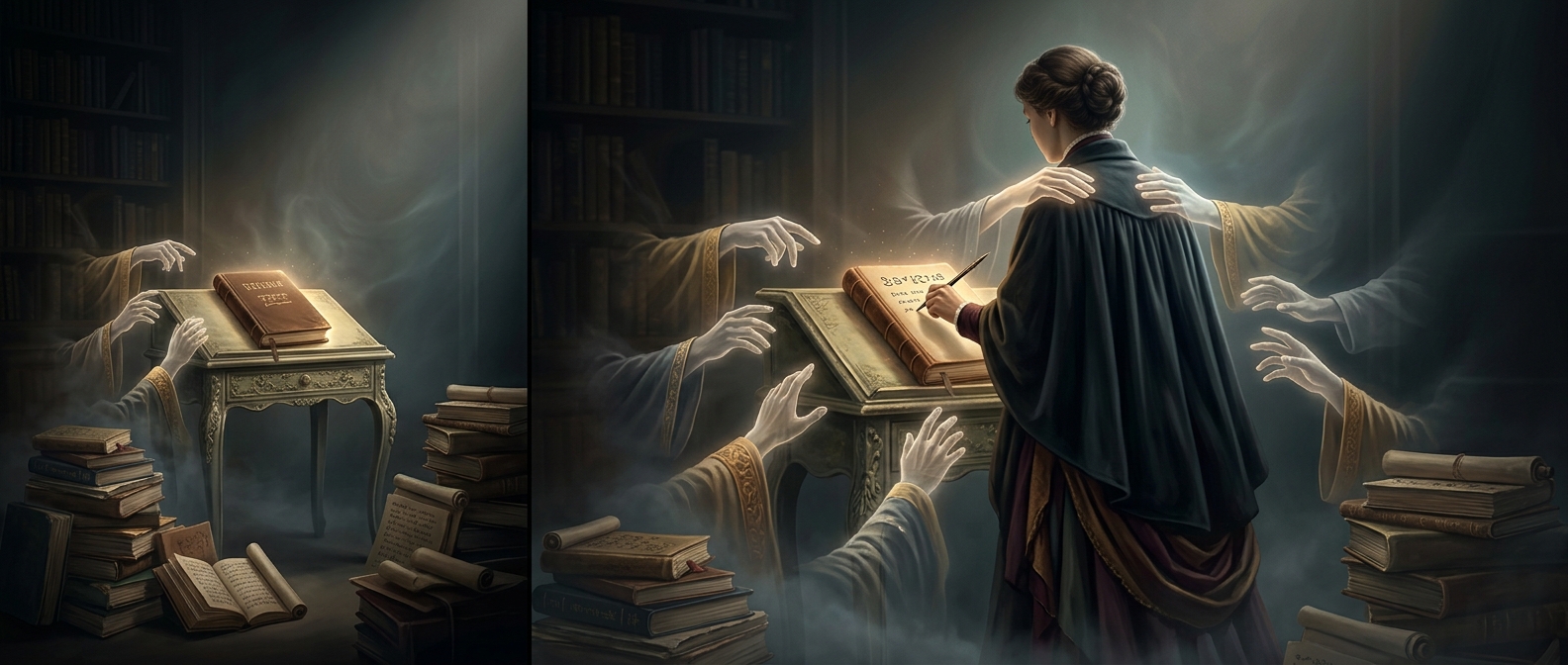
When Helena Blavatsky and Henry Steel Olcott founded the Theosophical Society in 1875, Blavatsky presented herself not simply as a teacher but as a channel for wisdom from the Mahatmas—advanced spiritual beings she said lived in Tibet and guided humanity’s development. The letters attributed to them gave her teachings an authority beyond personal opinion: they appeared to come from distant, exceptionally wise guides.
That claim fit an era when many people were fascinated by spiritualism and reports of communication with the unseen. But the letters did more than tell readers what the Mahatmas supposedly believed. Their apparent arrival at shrines made an invisible relationship seem physically present.
How a concealed mechanism could shape belief
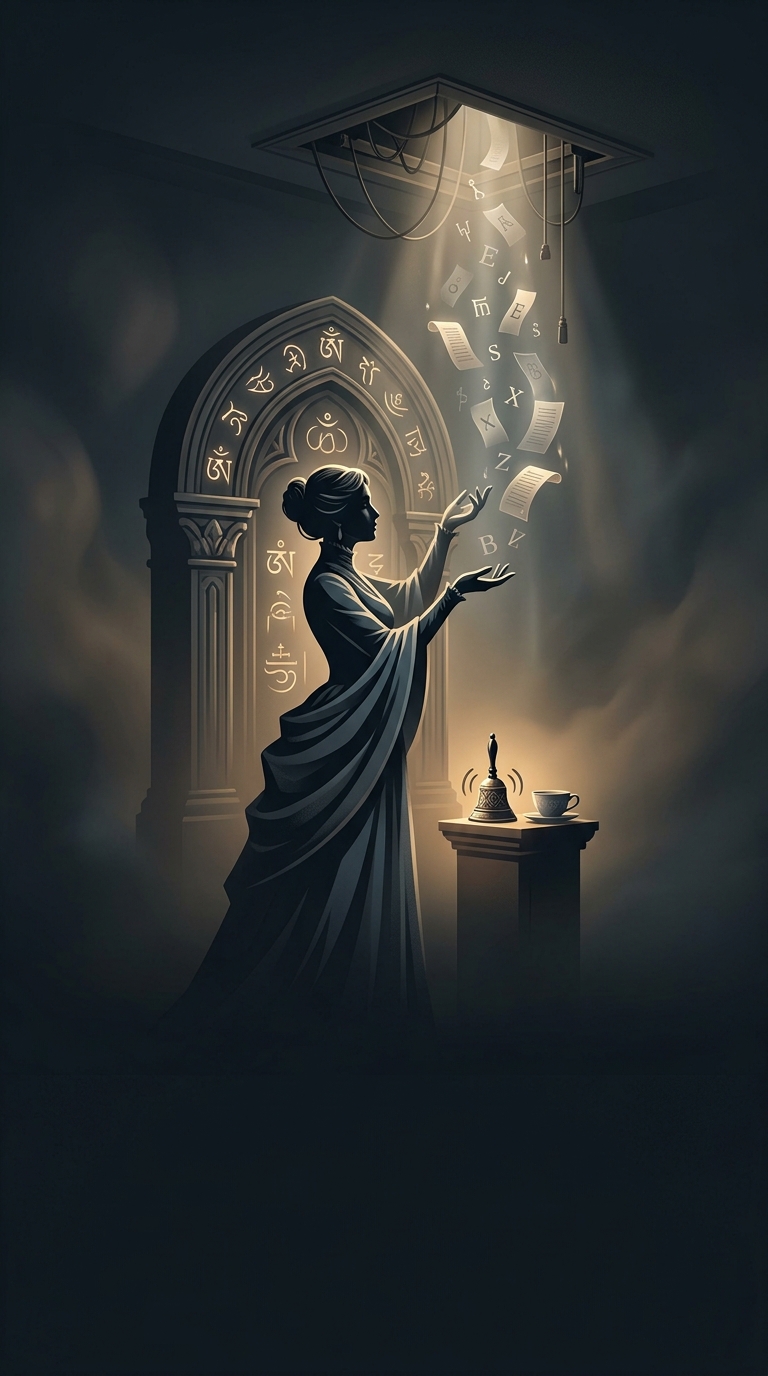
Trapdoors and hidden panels could make a letter appear inside a shrine without an obvious human hand delivering it. In that setting, the effect mattered: a message that seemed to arrive by extraordinary means could reinforce the story that unseen teachers were watching over the movement. The mechanism turned a spiritual claim into a staged, observable event.
This does not establish that the Mahatmas existed or sent the letters. It shows how the Society’s early authority could be built through both ideas and their presentation. The letters were persuasive not only for what they said, but for how they seemed to arrive.