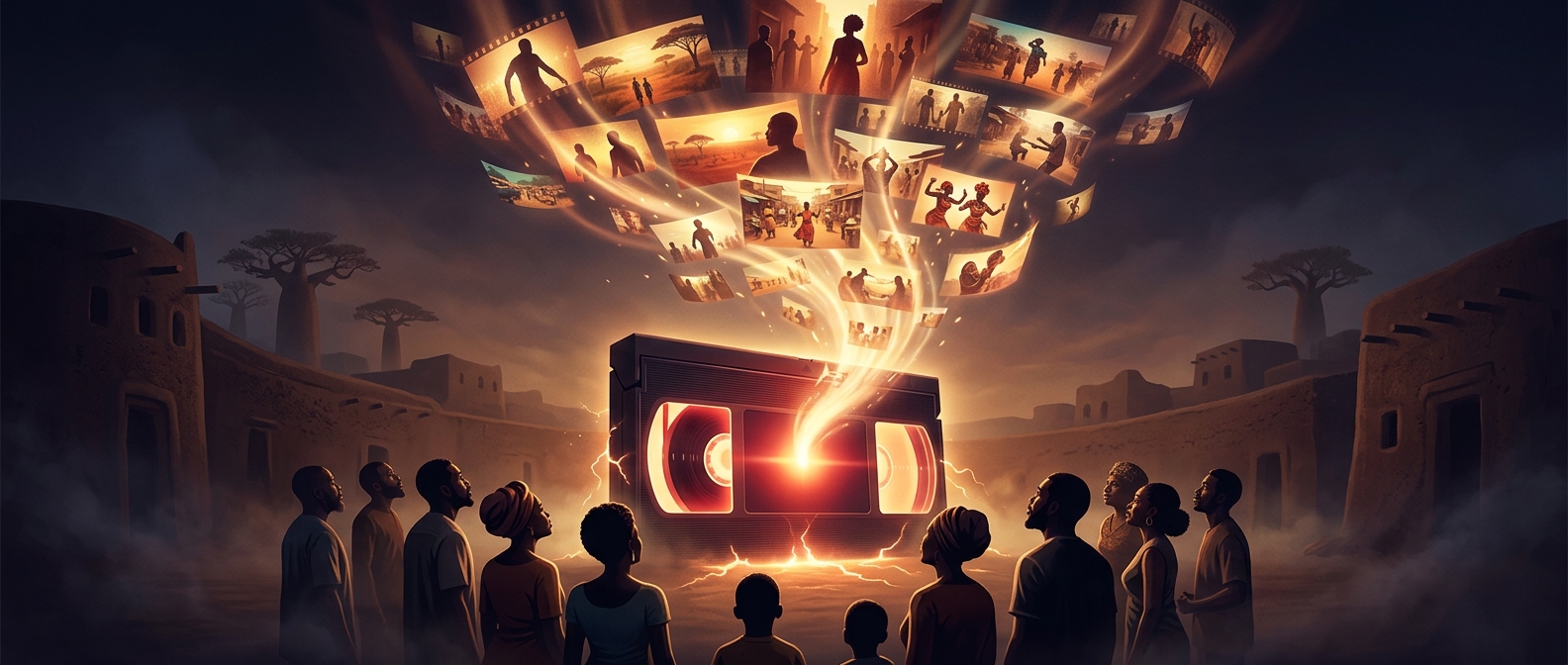
A recurring meeting place for African cinema
FESPACO began in Ouagadougou in 1969 as a small festival organized by people who wanted African films to be seen by African audiences. It took the name Pan-African Film and Television Festival of Ouagadougou in 1972. The change reflected a larger ambition: not simply to screen films in Burkina Faso, but to create a meeting point for filmmakers and viewers from across the continent.
That continuity mattered. A film festival gives works a concentrated public screening, while bringing directors, producers, critics, and distributors into the same place. For filmmakers whose work might otherwise struggle to reach audiences beyond its country of origin, that combination can create attention and professional connections that are difficult to build one screening at a time.
How the festival centered Ouagadougou
As the event grew, its regular return to Burkina Faso made Ouagadougou a dependable destination for African cinema. The festival’s competitions and prizes gave films a shared stage and a way to attract notice; its wider program made the city a place to encounter work from many national cinemas in one visit. FESPACO did not make every film widely available afterward, but it helped establish a public forum where African filmmakers could present their work on their own continent.
The result is a cultural hub built less by a single landmark than by repetition: filmmakers and audiences kept coming back. For a few days, films that might be separated by borders and limited distribution share the same screens in Ouagadougou.