A film made for the video shelf
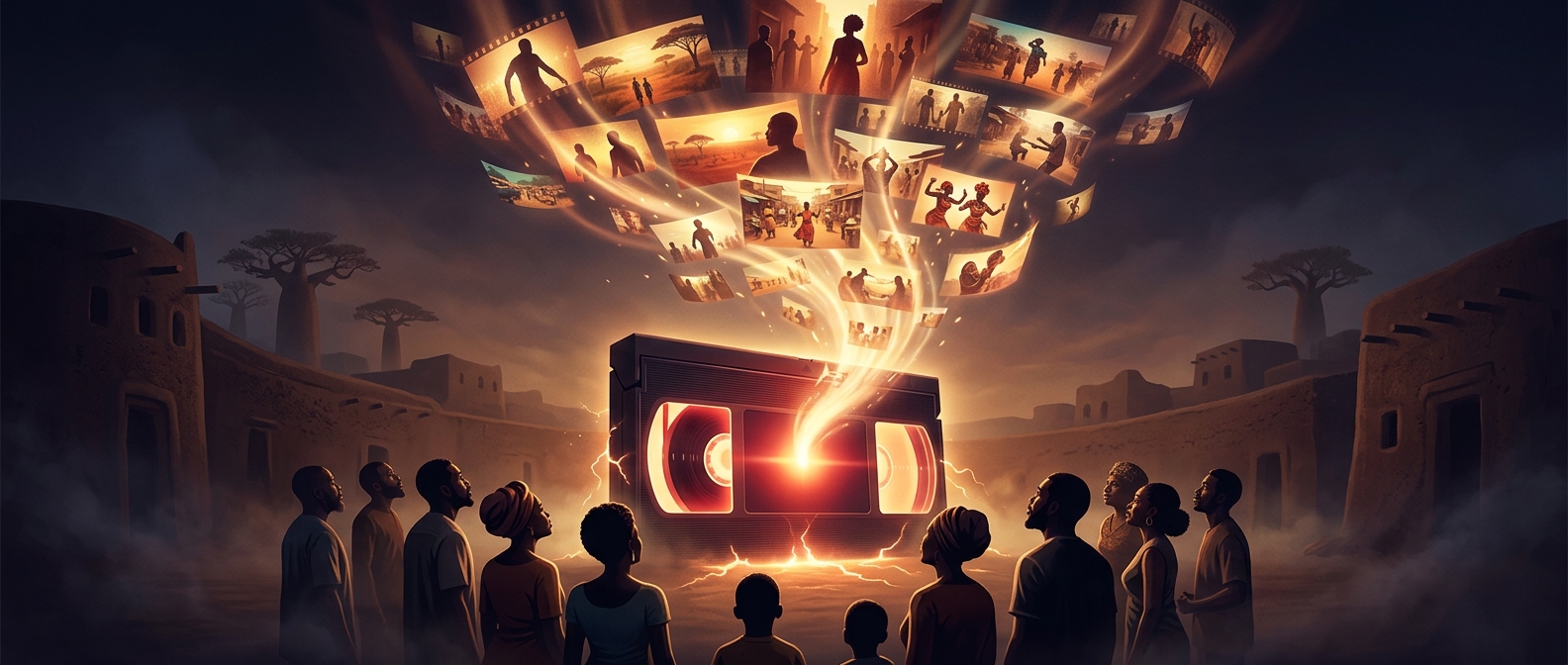
In 1992, Living in Bondage reached viewers not through cinema screens but on VHS, the home-video format then common in Nigeria. The thriller, made in Igbo and English, followed a man drawn into a deadly secret society in pursuit of wealth. Its story of ambition and supernatural danger gave audiences a distinctly local drama in a form they could watch at home.
That format shaped how the film was made and sold. A video release did not require a nationwide cinema chain or an overseas distributor to put a Nigerian production in front of viewers. Copies could move through the existing trade in recorded tapes, reaching homes and video-viewing venues directly. The route to an audience was also a route around some of the costs and gatekeeping of theatrical release.
From hit to industry model
Produced by Kenneth Nnebue and directed by Chris Obi Rapu, the film became a major success and showed filmmakers and producers that locally made stories could attract a large audience. Its impact was bigger than one title: it helped establish a commercial model in which producers made films for direct sale and distribution on video, often working quickly and with limited budgets.
That model became central to the industry later known as Nollywood. It let Nigerian filmmakers build a homegrown market without first securing recognition from international studios. The practical lesson of Living in Bondage was that a film did not need a cinema premiere to become an industry-shaping event; it needed a story viewers wanted and a way to get the tape into their hands.