Background movement makes a set feel inhabited
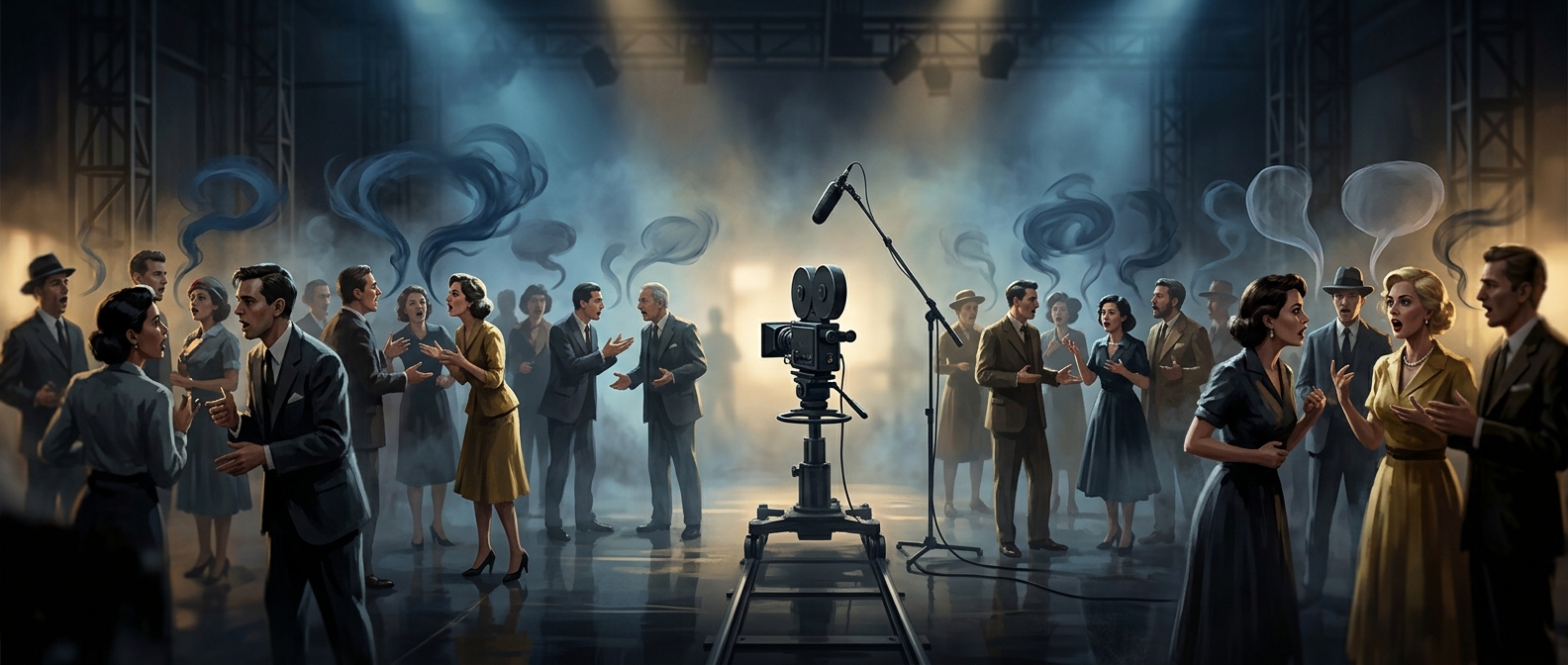
A street, restaurant, or office can look strangely vacant if every visible person is waiting silently for the leads to speak. Background performers—often called extras—supply the small signs of ordinary life that make a fictional place feel occupied. Their activity is planned, not random: a director or assistant may give them simple actions and traffic patterns so people move through the frame without crowding its important moments.
Why the actions have to repeat
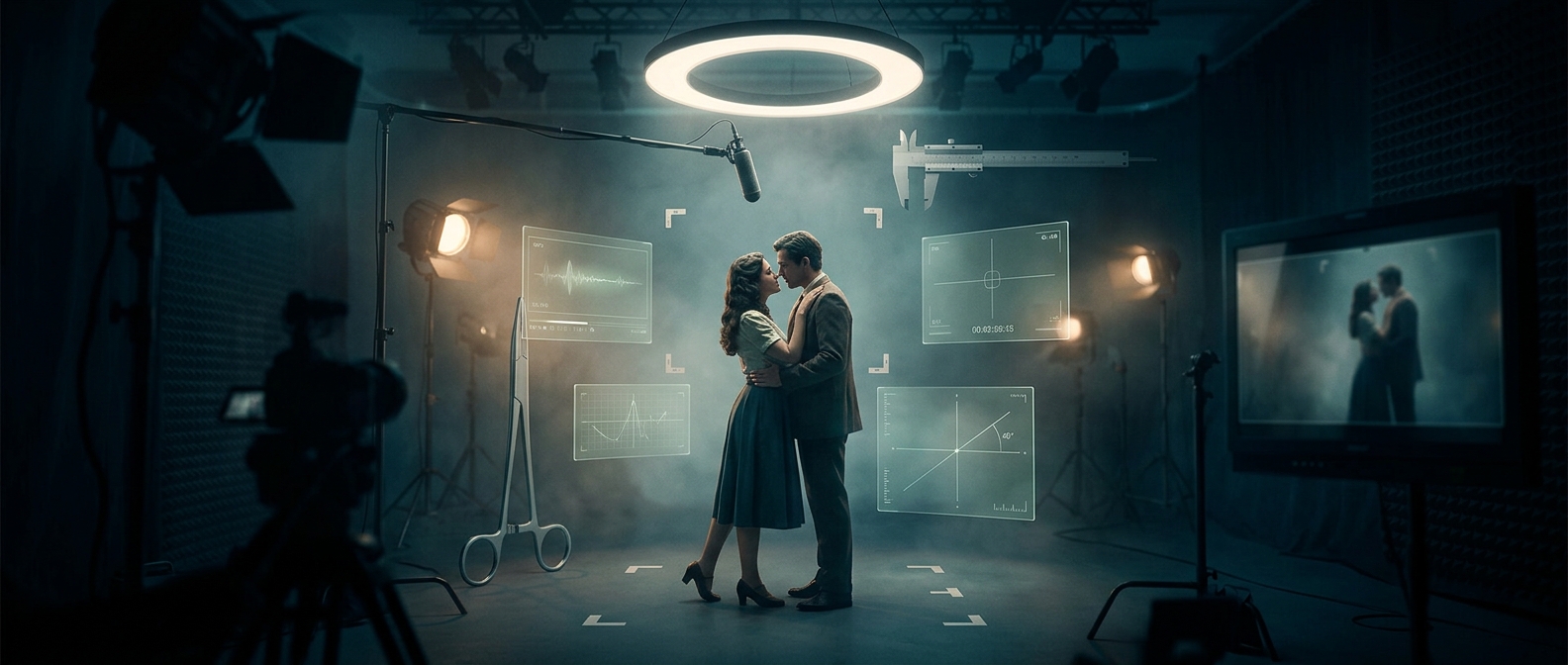
A scene is usually filmed more than once, and the camera may cover it from several angles. Background performers need to reproduce their movements closely enough that a person who crosses behind an actor in one shot does not suddenly appear somewhere else in the next. This is continuity: keeping details consistent across separate takes and shots. A performer may be asked to begin a gesture at a particular line or pause at a particular mark, turning an apparently casual moment into repeatable choreography.
That choreography also protects the scene’s focus. A large gesture, a direct glance into the lens, or a burst of audible conversation can pull attention away from the actors. Background conversations are often mimed or kept indistinct; clear dialogue can be recorded separately or obscured in the final sound mix. The goal is activity that reads at a glance but does not compete.
Small props, careful performance
Food and drink create another continuity problem: a cup that is visibly fuller in one shot than another can give away the edit. Performers may therefore handle a cup without actually drinking, or follow instructions about when and how to lift it. The trick is to make the gesture look natural while keeping it easy to repeat.
A convincing crowd scene is built from these controlled details. What looks like spontaneous background life is often a set of quiet, coordinated actions designed to survive the camera’s many passes.