Why Background Conversations Stay Silent
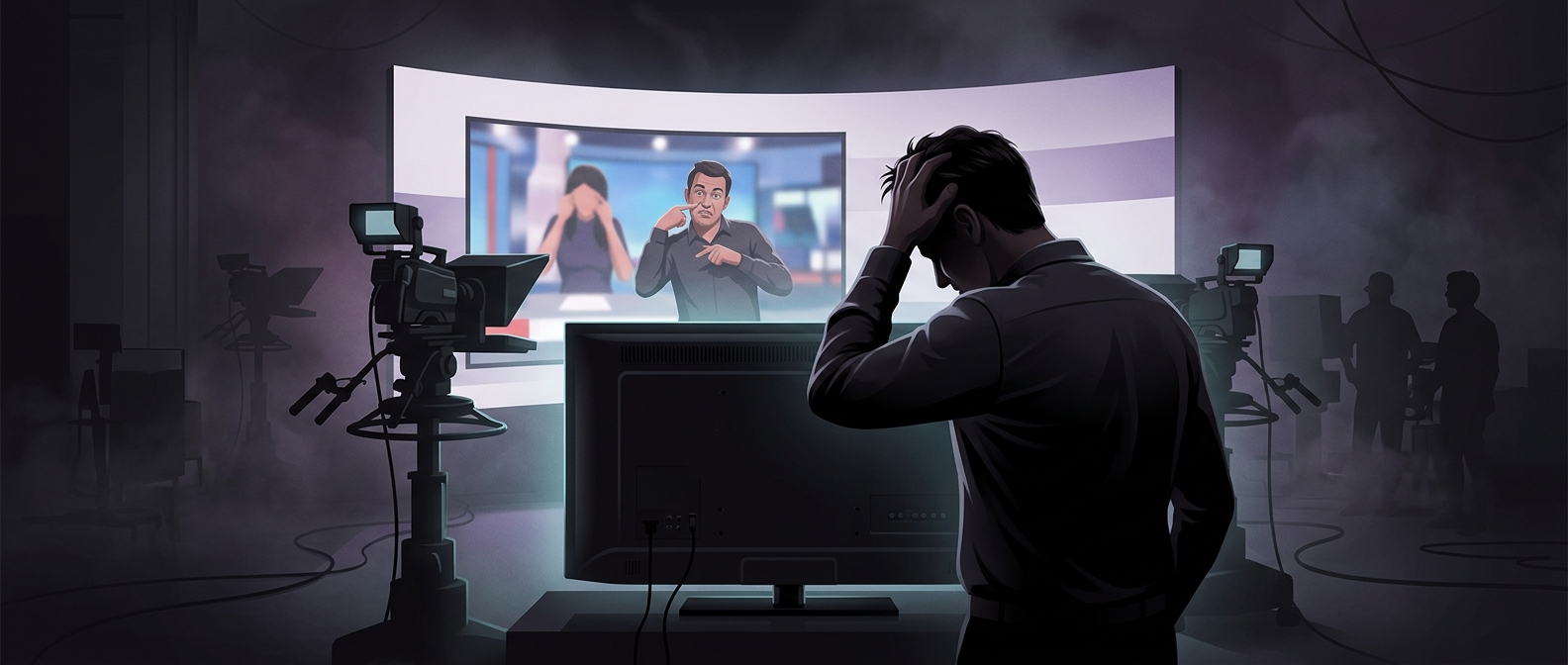
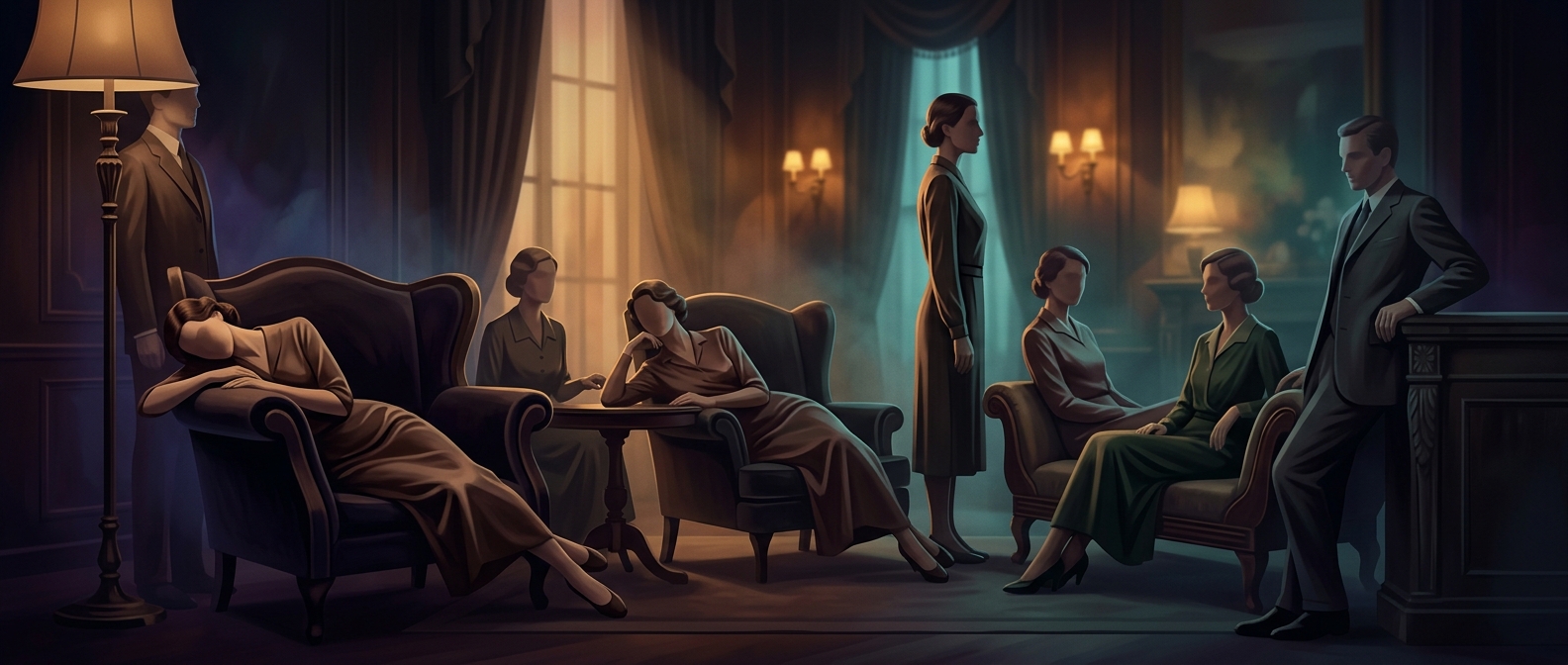
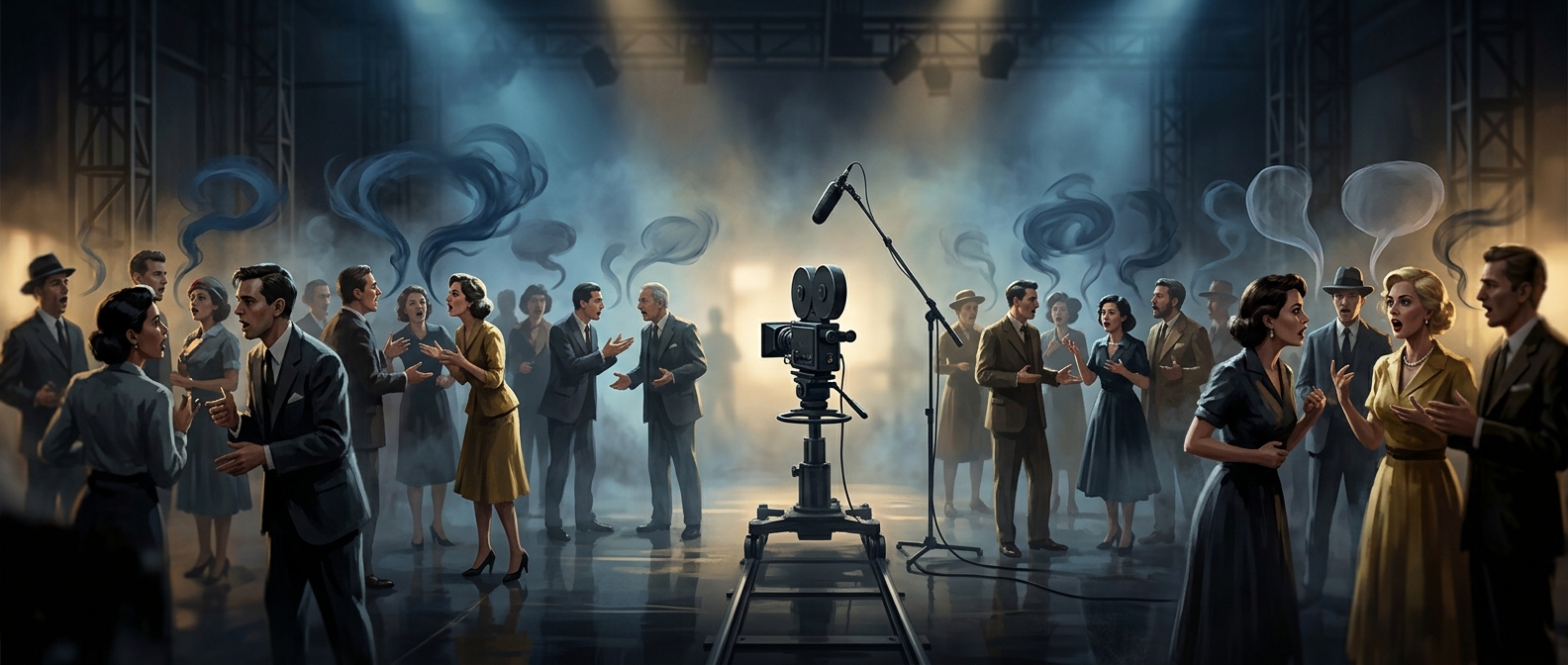
A scene can look crowded and lively while the soundtrack remains tightly controlled. The actors delivering the main dialogue need to be heard clearly, so background performers are often asked to mime conversations instead of speaking at normal volume. Their moving mouths and gestures suggest a room full of talk without adding voices that microphones might pick up.
That matters because microphones do not neatly separate every person in a space. A background voice can bleed into the recording, making the lead actors harder to understand or forcing the scene to be recorded again. Removing that unwanted sound later can be difficult, especially when it overlaps with dialogue, music, or other important noises.
Why Mouth “Nonsense” Rather Than Real Lines?
Silent mouthing gives performers something natural to do: react, gesture, and appear engaged with one another. But if they silently deliver clear, meaningful sentences, those conversations can create visual distractions. A viewer may start trying to read the lips, or notice that a background exchange seems inconsistent with the scene.
So performers may be told to shape vague, unspecific words—or simply to mime a conversation—rather than act out dialogue that competes with the story. The goal is convincing motion, not a second conversation for the audience to follow. In a busy restaurant or party scene, that small performance choice lets the room feel noisy while the recorded soundtrack keeps attention on the people whose words matter.