Why One Background Glance Can Pull You Out of a Scene
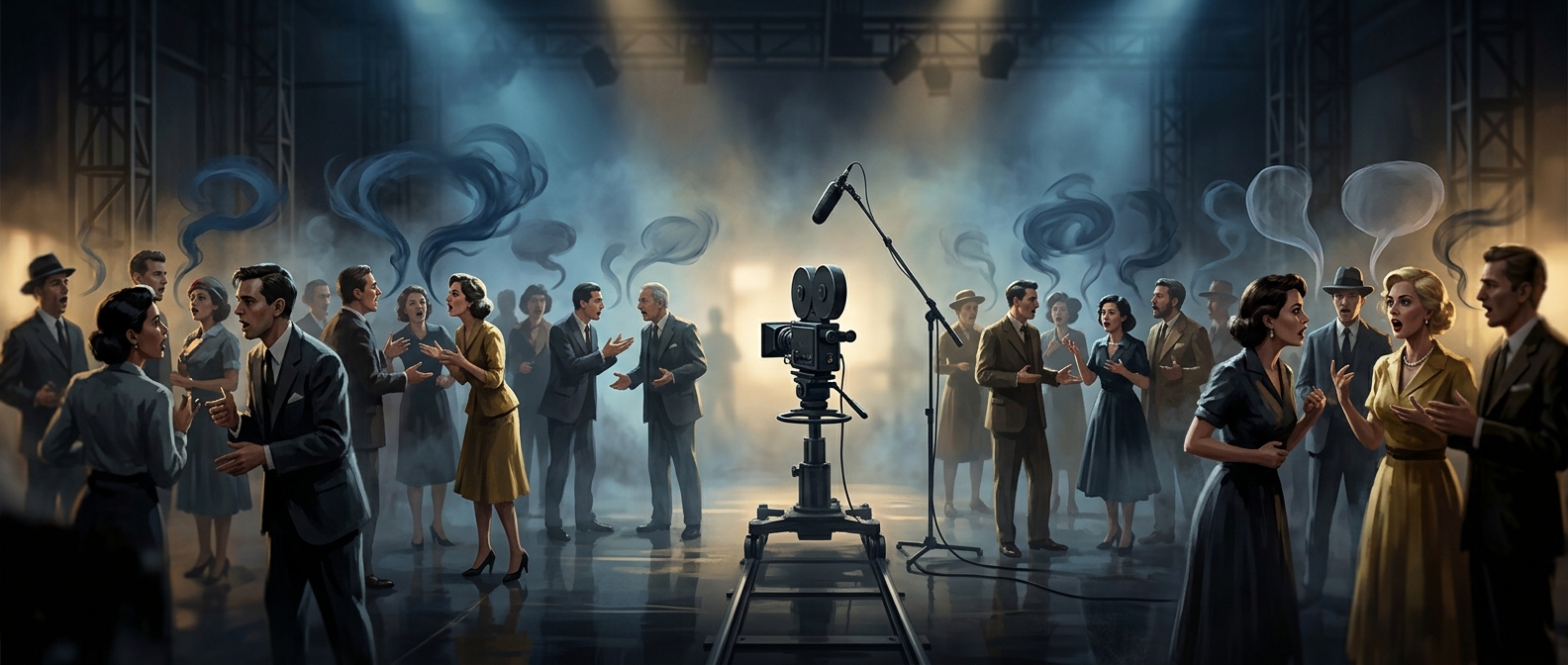
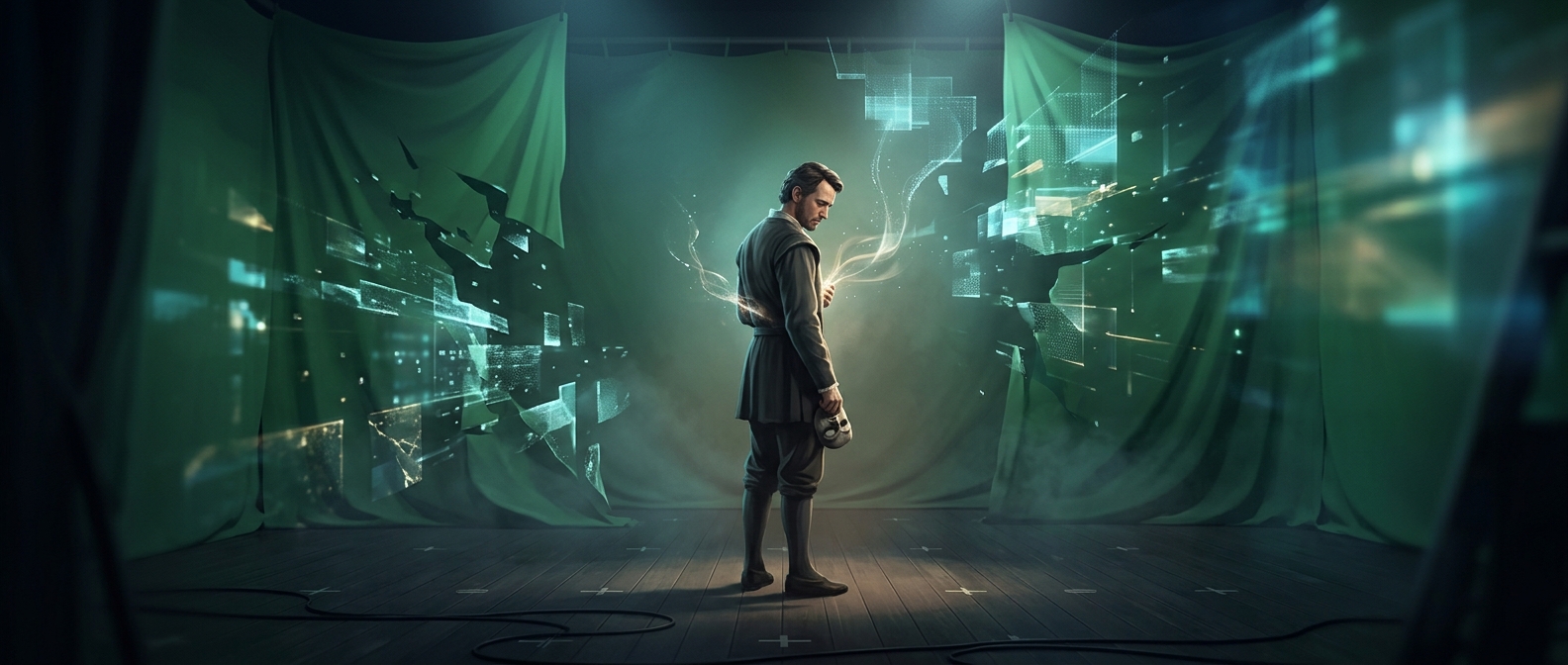
A film frame gives viewers several places to look at once. The actors and dialogue usually establish the main action, while extras—performers who populate the background—make the setting feel lived in. Their small tasks are called background business: crossing a room, handling a prop, or appearing absorbed in work.
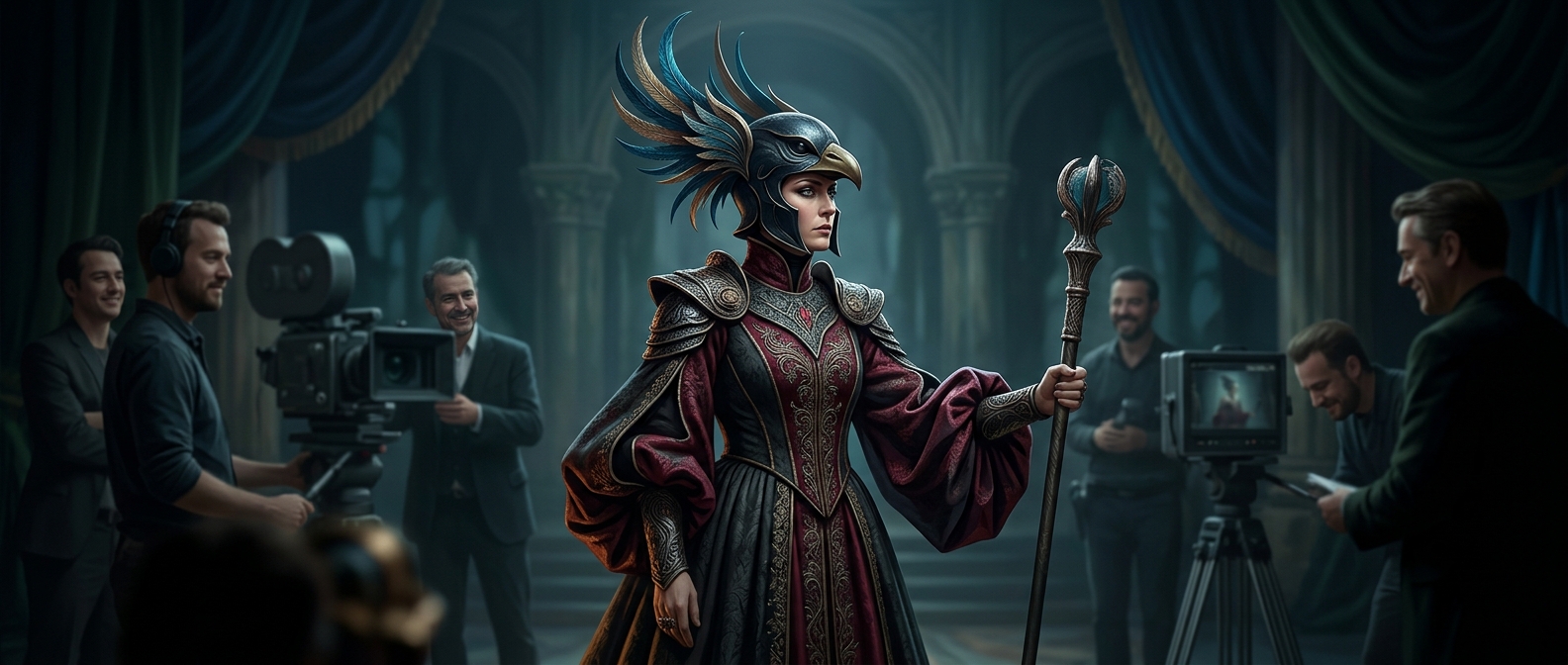
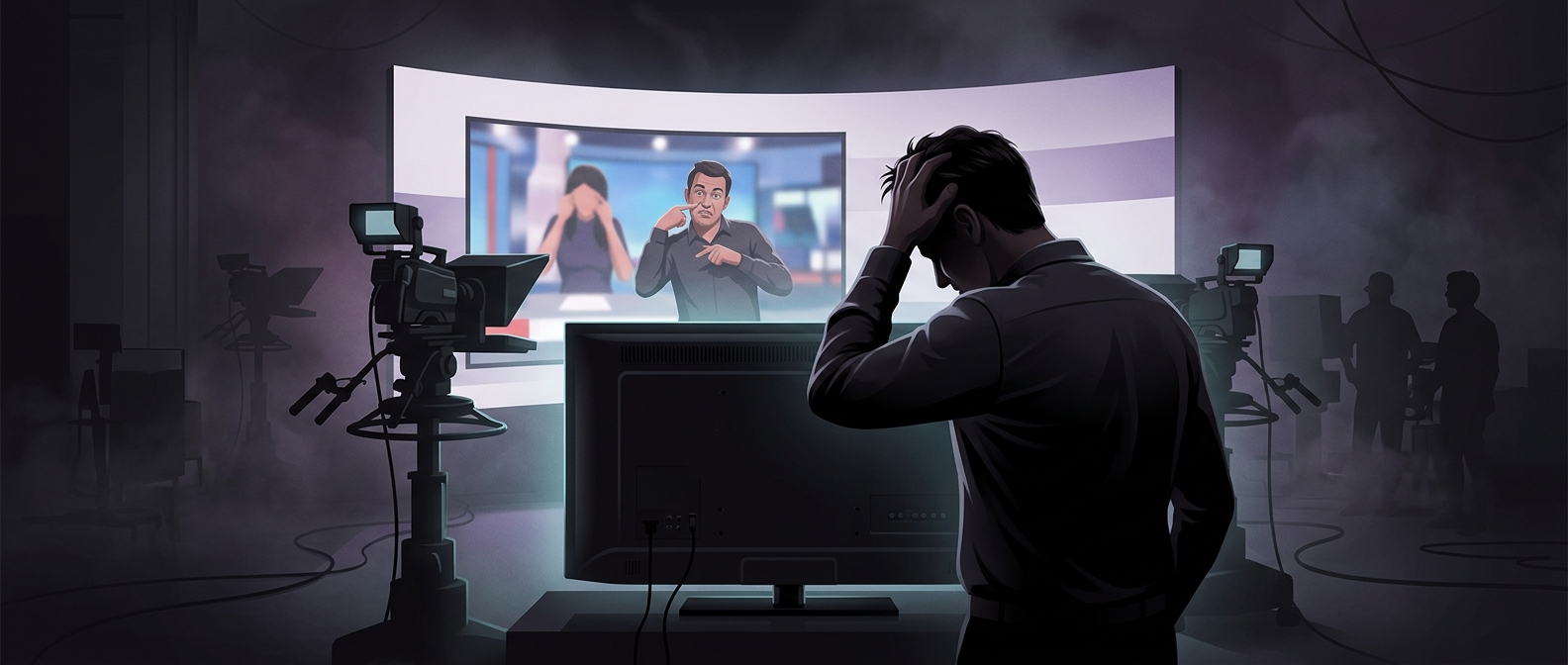
That activity feels natural when it supports the scene without demanding attention. But a person looking directly into the lens can seem to notice the audience rather than belong to the fictional moment. The camera becomes visible as a camera, and the viewer is reminded that the scene is staged.
The problem is not just eye contact
A background performer can also attract attention by repeating a movement too precisely or for too long. Real people vary their pace, pause, and respond to what is around them; a looped-looking action can feel like a piece of machinery running behind the actors. Once viewers notice it, they may keep checking it instead of following the conversation.
This is why directors and assistant directors often give extras simple, repeatable tasks and clear paths through the frame. The action has to look plausible while remaining predictable enough to fit multiple takes. A performer may need to repeat the same movement as cameras and actors reset, so the task must be easy to sustain—and not so conspicuous that its repetition becomes the scene.
Attention is part of continuity
Filmmakers can control where viewers look with framing, focus, lighting, and movement. A background figure who breaks the scene’s visual logic can override those cues. The extra does not need to make a major mistake; one unmistakable glance can redirect attention from the story to the filmmaking.