The camera sees a crowd; the microphone needs a scene
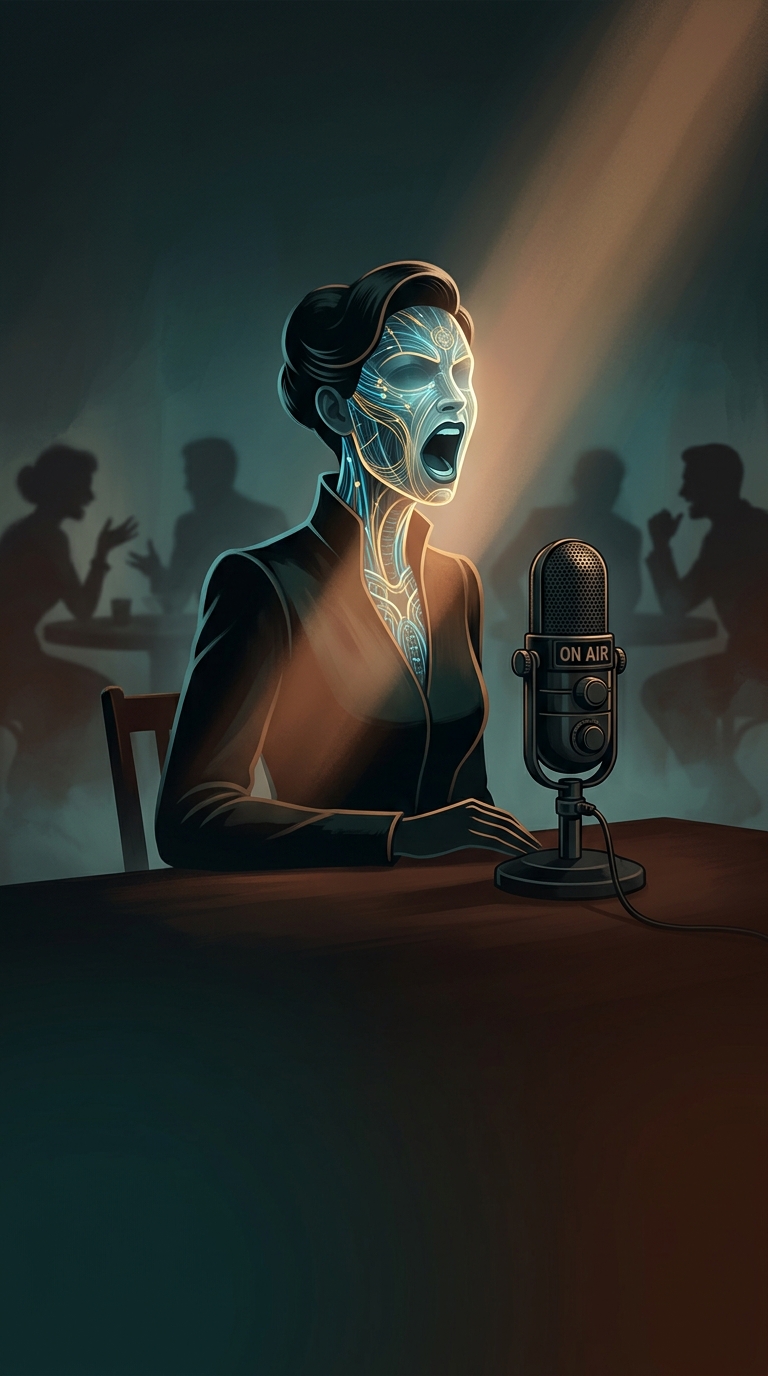
A busy restaurant scene has to look full without letting dozens of background conversations compete with the actors’ lines. Production microphones are aimed at the performers whose dialogue matters. If extras speak naturally nearby, their words can bleed into those microphones as messy, distracting noise—and may be impossible to remove cleanly later.
So background performers are often told to mime conversations: move their mouths and gesture as if talking, but make no sound. The exaggerated motion helps sell the impression of a lively room from across the frame, where viewers read posture and activity more than individual words.
The noise is added under control
Silence on set does not mean the finished restaurant must sound silent. After filming, editors and sound designers build the room’s atmosphere from recorded ambience and other audio. They can add a low wash of crowd chatter, or record performers making indistinct “walla”—the film-industry term for background babble—without intelligible sentences.
That lets the soundtrack feel crowded while keeping the lead dialogue clear. It also gives the sound team control over how loud the room seems and where the noise sits in the mix. The extras’ silent performance supplies the visible bustle; carefully managed audio supplies the din. The result is a restaurant that looks chaotic but remains easy to follow.