A single recording became a sound-effects staple
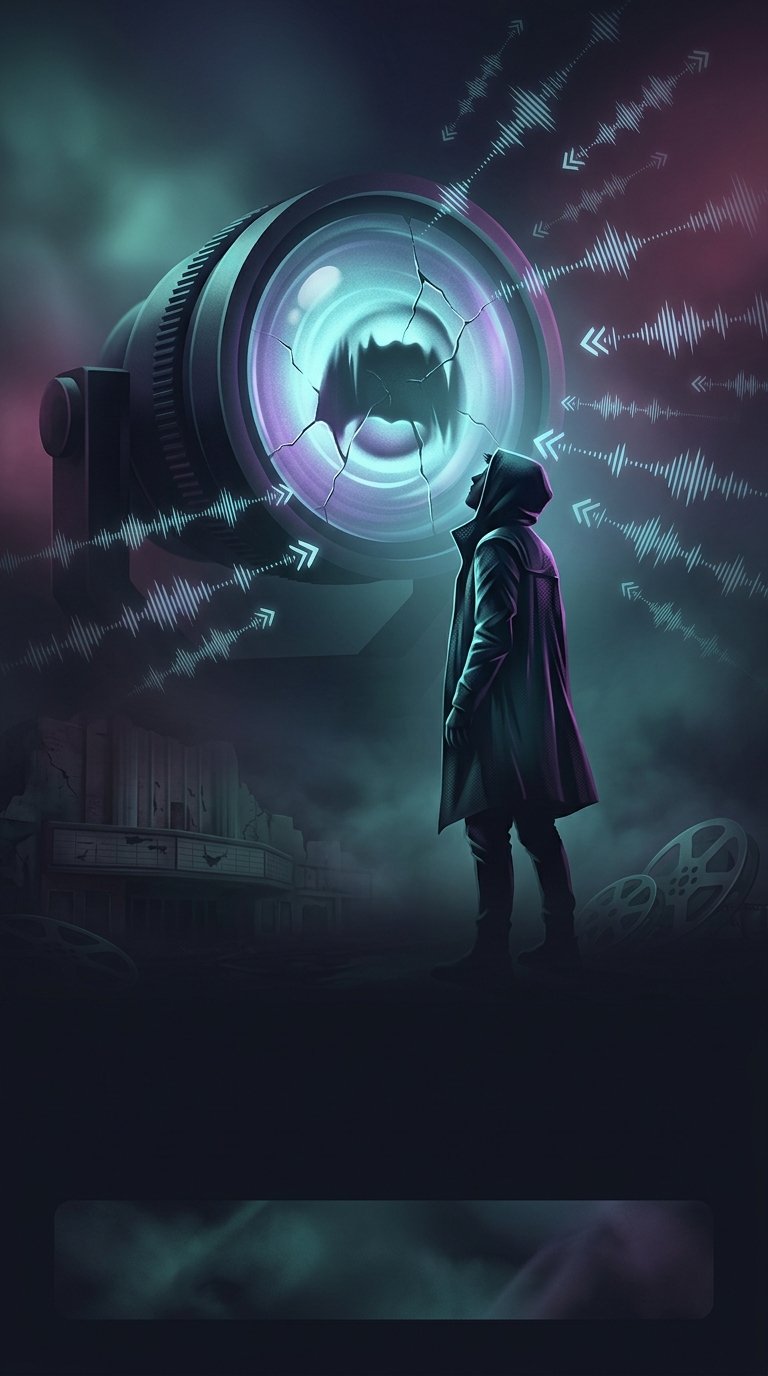
The familiar yell is usually called the Wilhelm scream. It began as a recorded sound effect, not as a new performance made for each movie. The scream appeared in the 1951 film Distant Drums and was later used for a character named Wilhelm in The Charge at Feather River (1953). That character helped give the sound its lasting name.
Once a scream is recorded, a film’s sound team can reuse it just like a door slam, a crash, or a bird call. That is useful because editors need effects that fit a precise moment—a body falling, for instance—and a ready-made recording is quicker than arranging and recording a fresh one.
Why filmmakers keep bringing it back
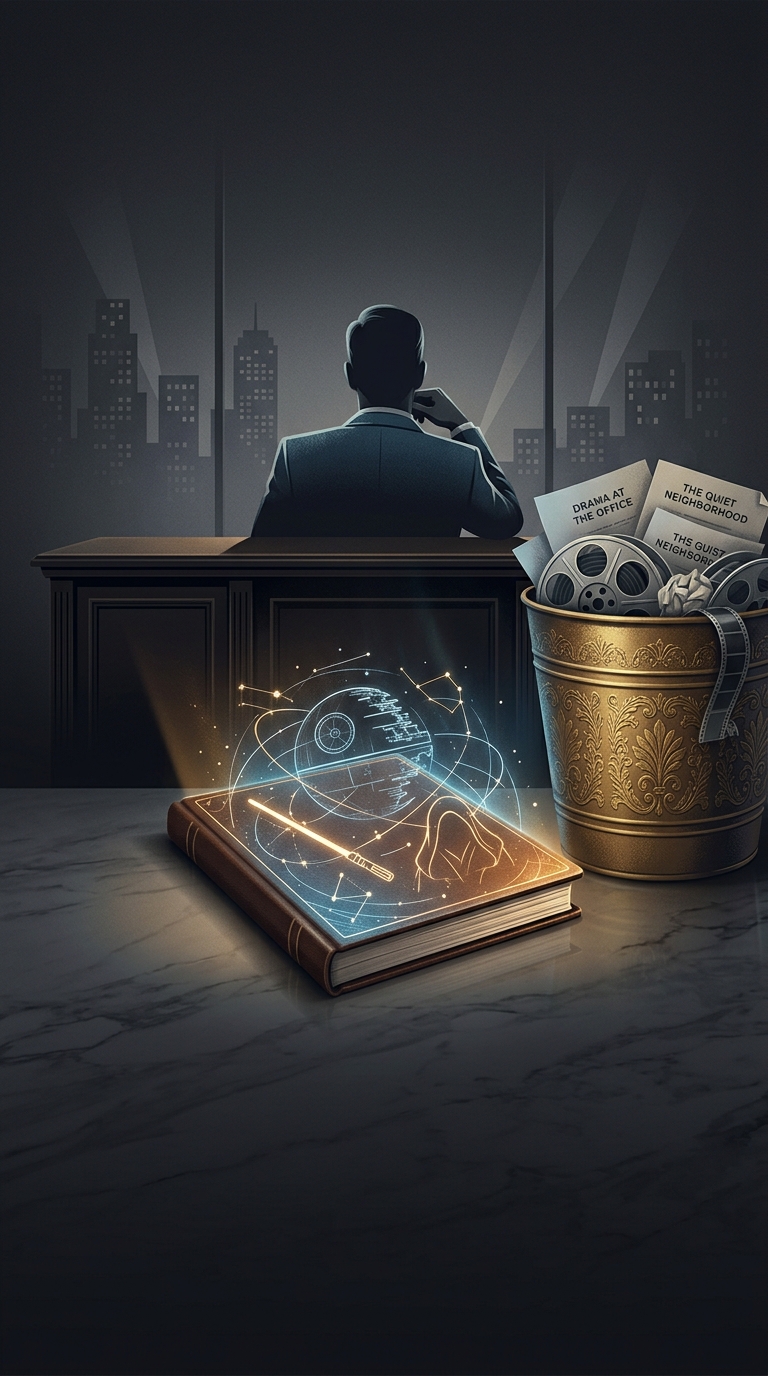
The sound’s continued life owes much to sound editors who recognized and deliberately reused it. In later decades, sound designer Ben Burtt helped popularize the scream by placing it in films including Star Wars. Its appearances became a quiet in-joke among sound professionals: the effect could pass unnoticed for some viewers while rewarding others who knew what to listen for.
That joke also explains why the scream can feel conspicuous. Its distinctive, slightly theatrical delivery stands out from more naturalistic movie sound, and once a viewer recognizes it, every recurrence becomes easier to spot. Blockbusters may have enormous sound departments, but they still draw on shared libraries of recordings and on traditions passed between practitioners.
So the scream survives through a combination of convenience and mischief: it is a useful piece of audio, and reusing it lets filmmakers leave a tiny signature for attentive audiences. The next time it cuts through a scene, you are hearing not a newly invented scream but a recording with a career spanning generations of movies.