Why the preview used to come last
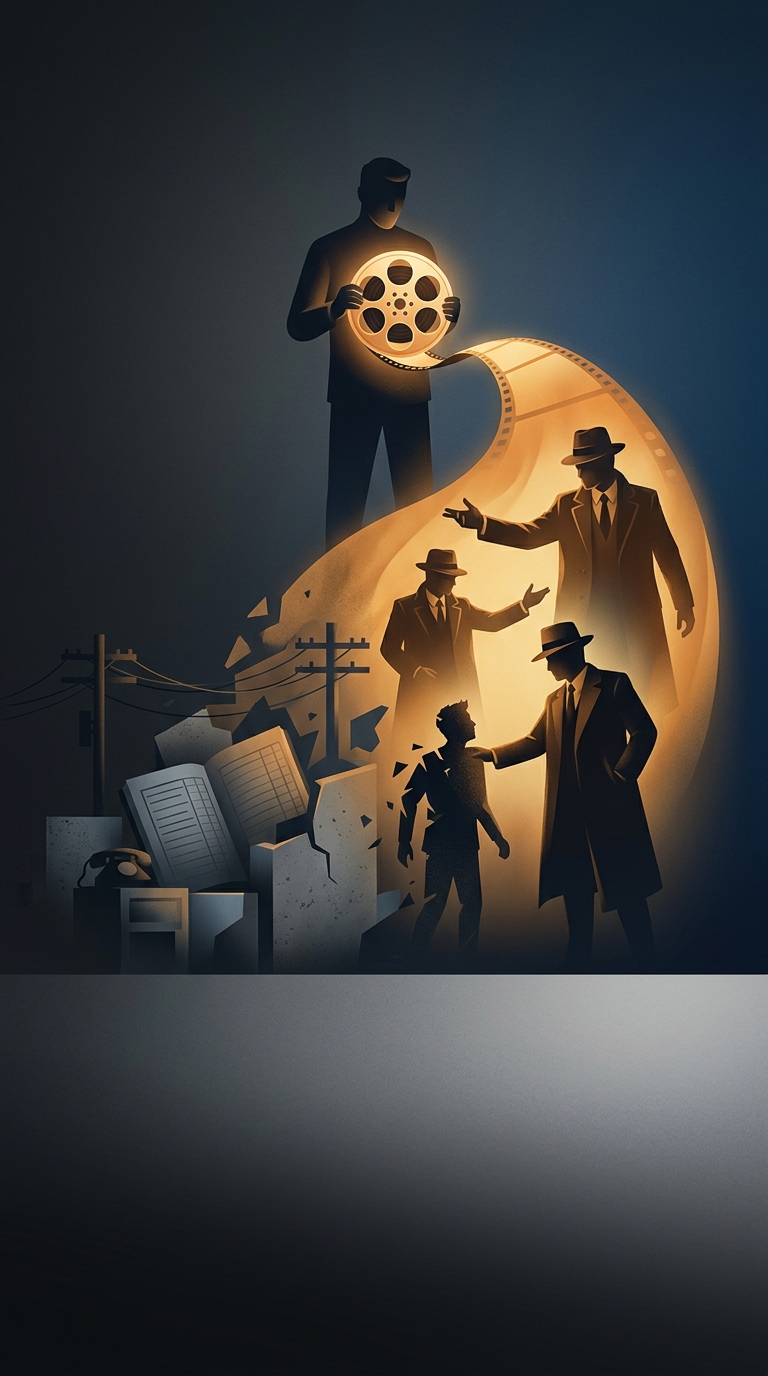
A “trailer” got its name from where it originally appeared: at the end of a movie program, after the feature had finished. The short promotional reel trailed the main attraction—it was not named for the way it previews a story.
That placement made practical sense when theaters assembled programs from several pieces of entertainment. A preview could follow the feature like an extra item, inviting moviegoers to return for another film. But there was a catch: once the main event ended, many people simply headed for the exit.
The name stayed; the order changed
Putting previews before the feature gave them a better chance of reaching the audience while people were still seated. The practice became familiar, but the old name stuck. Today, a trailer can run before the film it advertises—and even appear online far in advance—without ever trailing anything.
The word is a small fossil of an earlier theater routine: the preview moved to the front, but its name still points to the back.