Why a Toilet Flush Was Too Much for the Movies
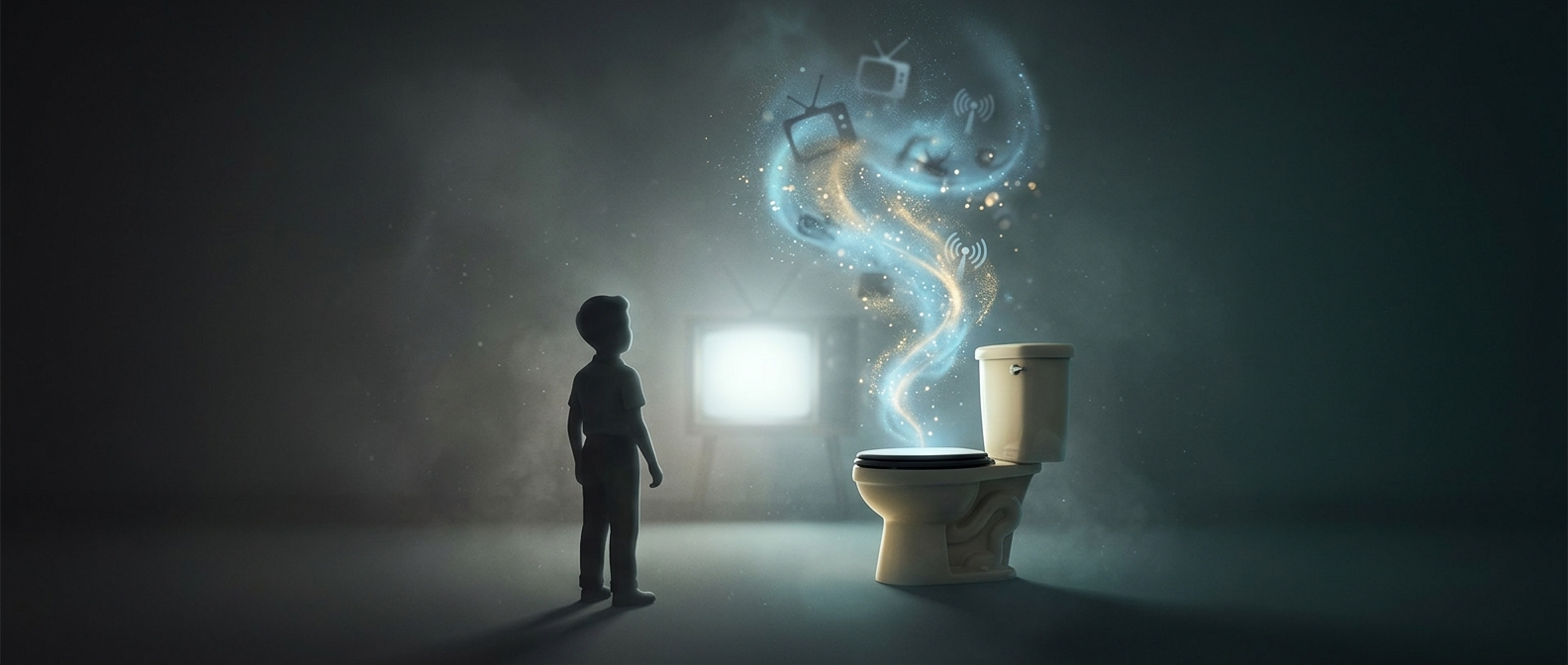
For decades, American films generally kept toilets—and the sound of them flushing—offscreen. The taboo came from the Production Code, the industry’s rulebook for what studios could show. It treated bathroom business as indecorous, part of a wider effort to keep sex, bodily functions, and other “unsuitable” details out of mainstream movies.
That made an ordinary action a surprisingly useful test of the rules. A character could enter a bathroom, but the camera was expected to look away before the plumbing became part of the scene. The restriction was less about the mechanics of a toilet than about what movie executives thought respectable audiences should not have to see or hear.
Psycho Made the Flush Part of the Story
Alfred Hitchcock’s Psycho (1960) brought a toilet flush into a major American film. The moment is brief, but it serves the plot: a piece of paper carrying information is flushed away. Instead of treating the bathroom as a space the film had to conceal, Hitchcock used its ordinary details to move the story forward.
The scene arrived as the Production Code’s authority was weakening. It was not a sudden official announcement that every bathroom restriction had vanished; filmmakers were increasingly pushing against the old limits, and studios had more room to show material that had once been screened out.
That is why the flush feels more consequential than its sound suggests. It marked a shift in what American movies could treat as normal, usable parts of life—not just what they could hint at from behind a closed door.