How a movie gets its rating
A Hollywood rating is a judgment about what parents are likely to consider suitable for children—not a score for a film’s quality. The rating board watches the movie and weighs its content, including language, violence, sexual material, and drug use. It considers how those elements appear in context: a brief scene may land differently from repeated or graphic material, and a frightening moment may affect younger viewers differently from older ones.
The board’s task is to turn those judgments into a category parents can use before buying a ticket. That makes the rating a practical shorthand, not a precise measurement. Two films with similar material can receive different ratings because the amount, intensity, and presentation of that material differ.
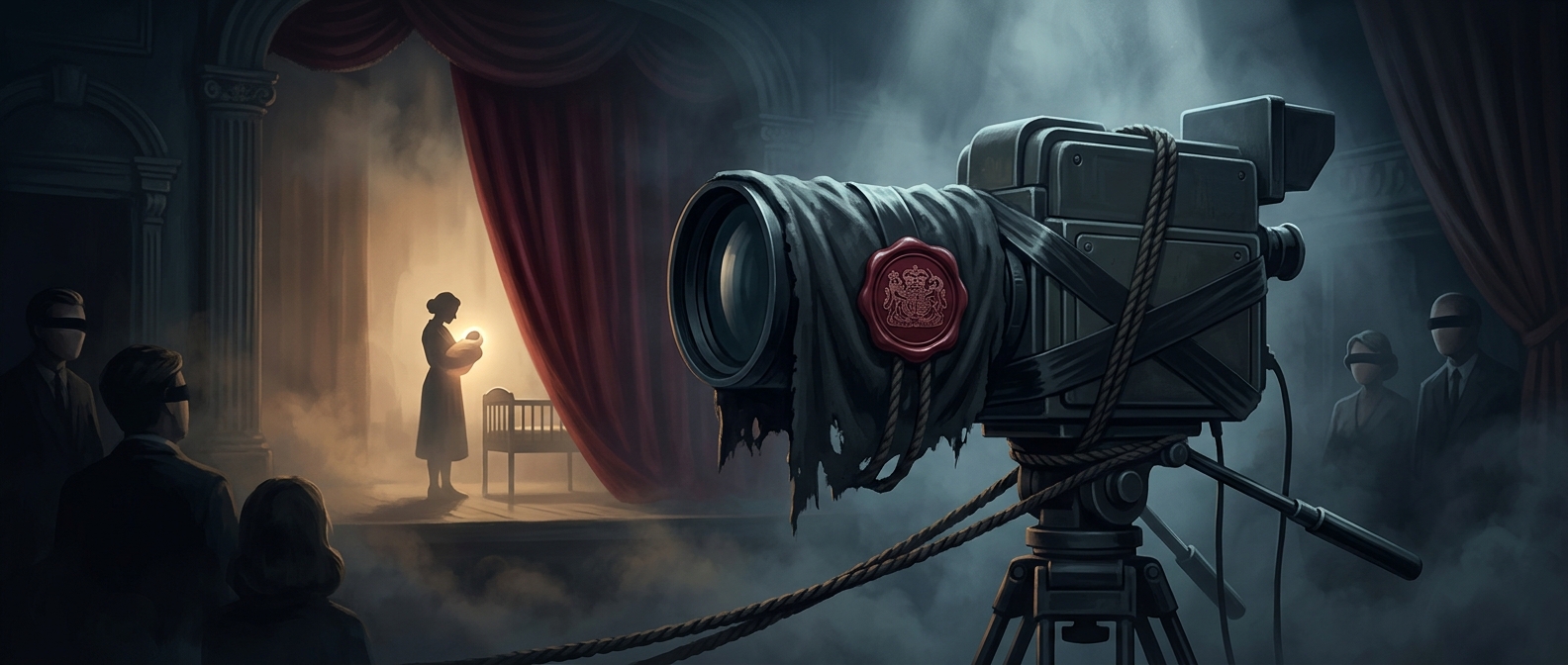
Why the raters stay anonymous
Keeping members’ names private helps shield them from pressure by filmmakers, studios, and the public. It also directs attention away from any one rater and toward the board’s collective decision. The members are not acting as critics or trying to predict whether a movie will succeed; they are asked to make a parental suitability judgment.
A rating can shape who is able to see a film in theaters, so the decision has real commercial consequences. But the system is voluntary: it offers families guidance rather than setting a legal rule about what children may watch. Its influence comes from being a widely recognized signal at the moment families choose a movie.