A small patch of skin became a broadcast boundary
In mid-century American television, a visible navel could be treated as too sexually suggestive for a general audience. The restriction was part of a broader culture of broadcast decency standards, not a single nationwide law specifying what actresses could wear. Networks and sponsors worried that provocative images might draw complaints or damage a program’s reputation, so standards departments reviewed scripts, costumes, and sometimes camera choices before a show aired.
Costume design made compliance practical
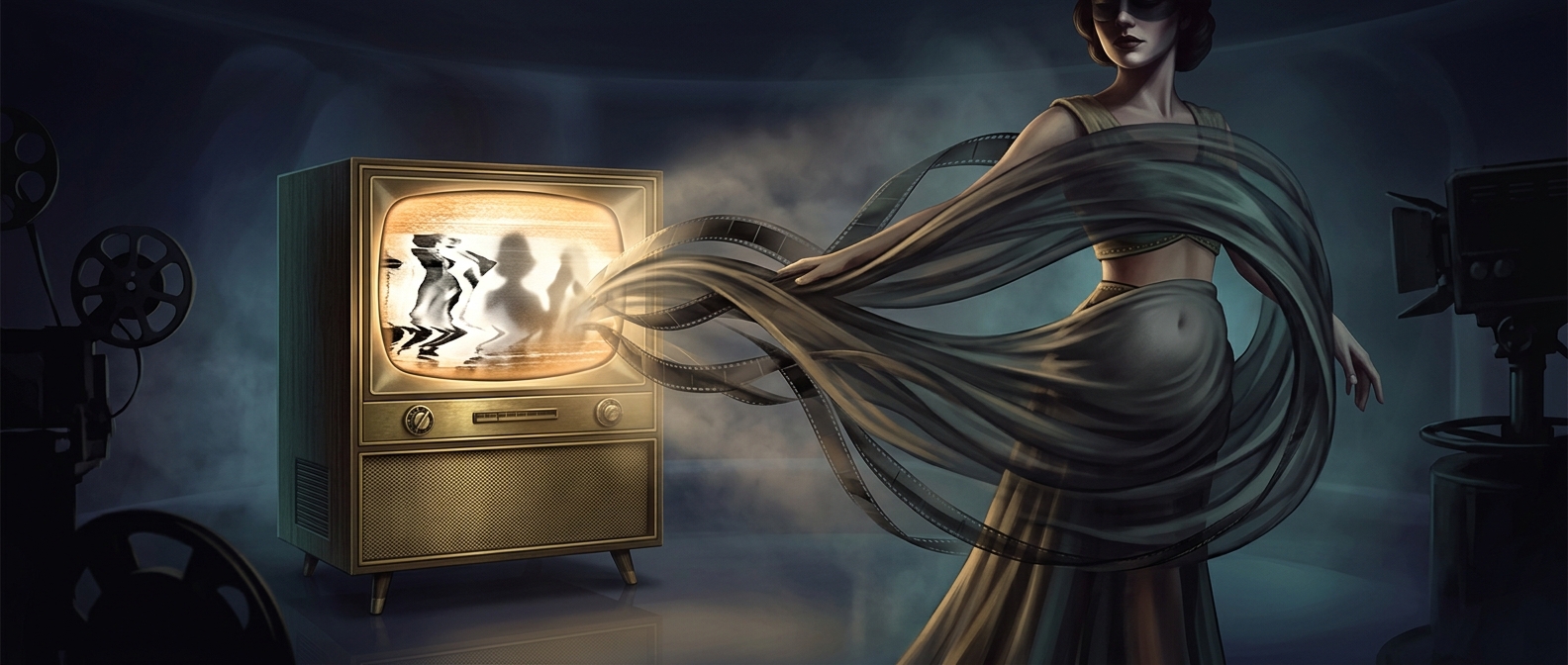
The easiest fix was often built into the clothes. A high waist could cover the navel while still allowing a costume to look fashionable, playful, or revealing in other ways. Designers could also use a belt, sash, or overlapping fabric to keep the area covered as an actress moved. That mattered on television: a costume had to work through gestures and changing camera angles, not just look acceptable in a still photograph.
The rule could shape performance as well as wardrobe. A character in a cropped top might have to keep it below the navel, and a shot could be framed to avoid exposing the area. The result was a peculiar line between what viewers could see and what broadcasters considered suitable for the living room.
Standards were enforced before the show reached viewers
Television’s gatekeepers could ask for changes during production rather than rely on viewers to complain afterward. That gave costume departments a quiet but consequential role: they translated abstract ideas about propriety into hems, waistlines, and practical adjustments on set.
The covered navel is a small example of how broadcast standards became visible in the look of entertainment. A high-waisted outfit could be more than a period style; it could also be the solution that let a character—and the show—stay on air.