How film censorship reached the bedroom
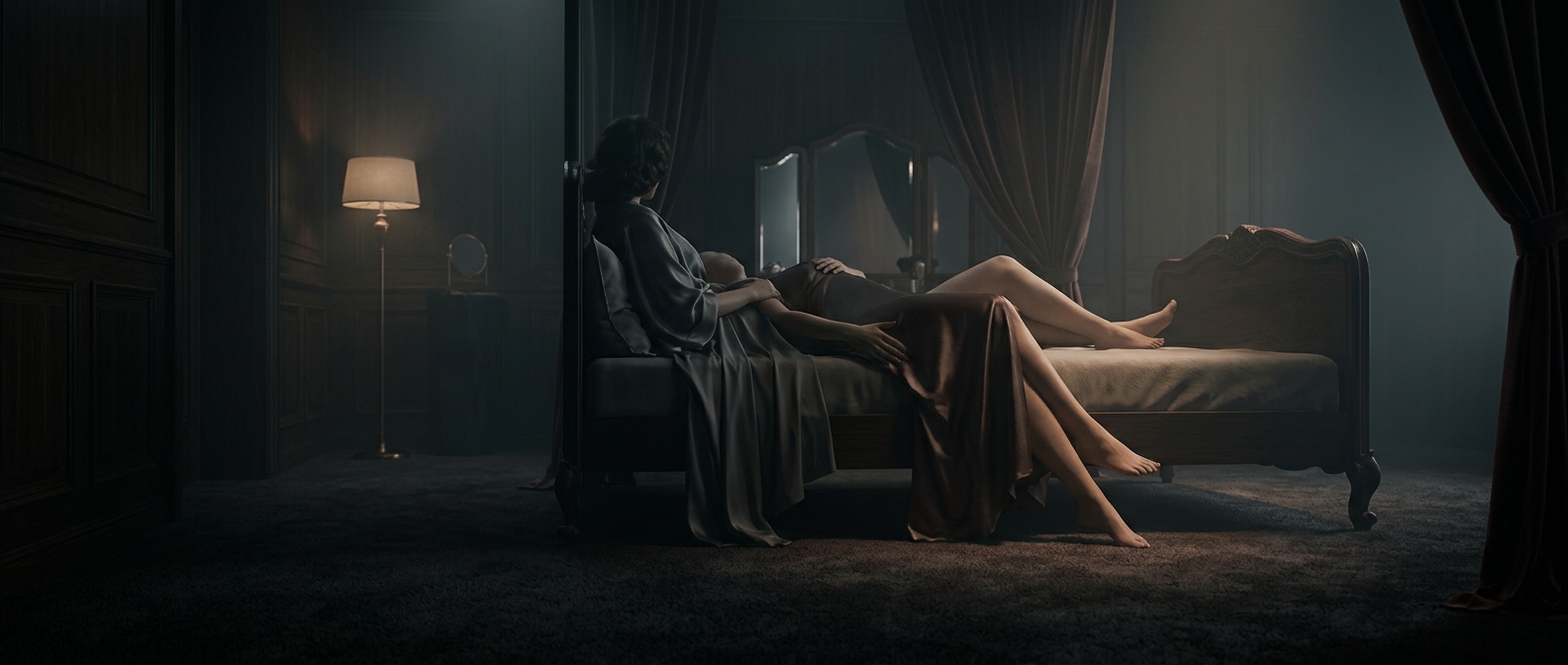
In early American movies, a shared bed could suggest sex even when a scene showed no more than a married couple talking or settling in for the night. Censors treated that suggestion as a problem: the camera did not need to show intimacy for an audience to imagine it. One way filmmakers were expected to keep the scene acceptable was to make sure at least one person’s foot remained on the floor.
The rule turned a moral boundary into blocking—the planned placement and movement of actors within a scene. A grounded foot signaled that the couple was not fully tucked into bed together, preserving visible distance without requiring the film to explain or discuss sex.
Why a small gesture mattered
Film censorship often worked through implications as much as explicit images. A bed was a powerful shorthand for intimacy, so staging could be scrutinized even when a story identified the characters as husband and wife. The foot-on-the-floor convention offered a simple visual workaround: the couple could occupy the same bedroom, but the composition stopped short of presenting them as physically sharing the bed in an unambiguously intimate way.
That constraint shaped ordinary-looking scenes. Actors might sit or lie in bed while keeping one leg extended, making the scene feel awkward by modern standards. The odd posture was not merely a quirk of performance; it made an invisible censorship line legible on screen. A single foot could do the work of an entire prohibition, allowing the scene to proceed while signaling that the film would not cross the boundary.