The voice stopped being the trailer’s shortcut
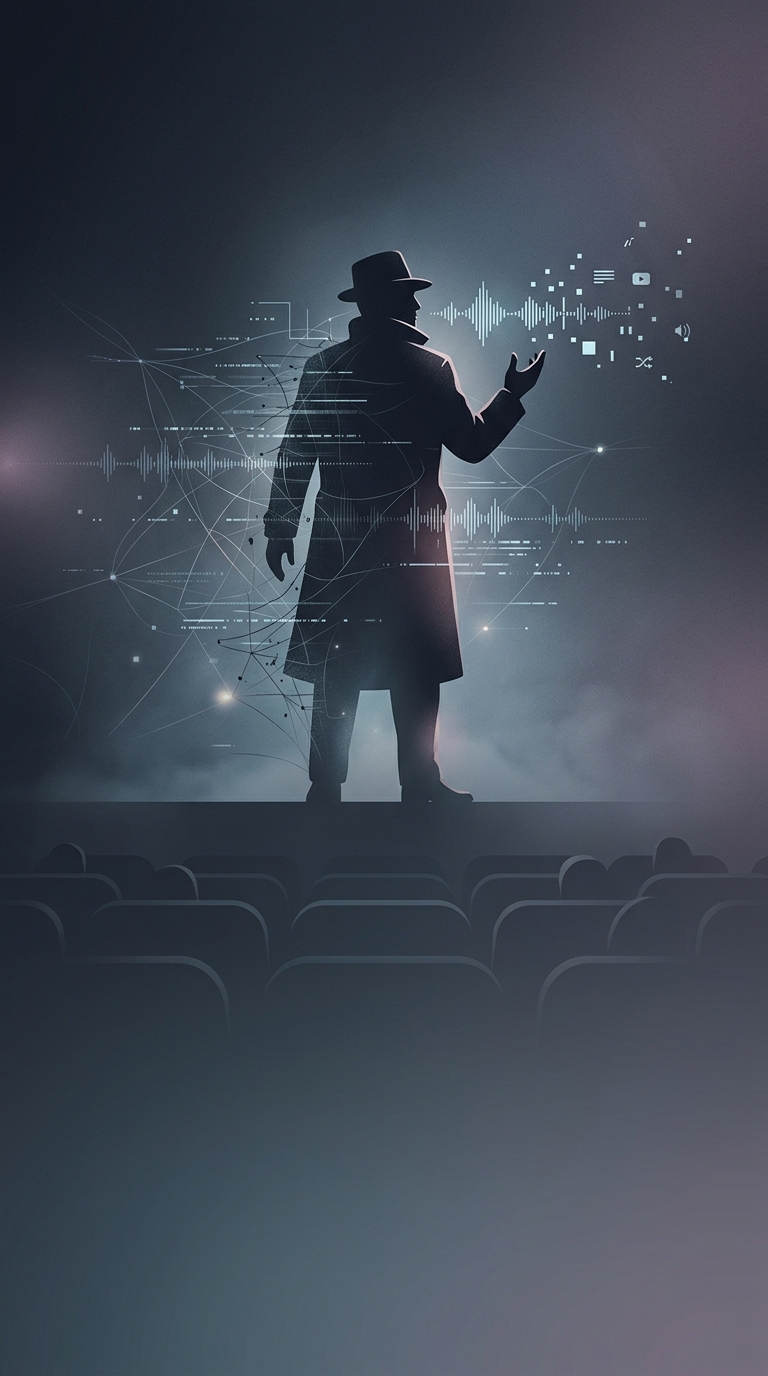
The deep, authoritative narrator once did a lot of work quickly. In a few lines, he could announce a star, explain a premise, and promise spectacle while the trailer cut between scenes. That approach suited a style of promotion built around a single, polished pitch: the narrator connected images that might otherwise have felt like a jumble.
As trailers began leaning more heavily on film dialogue, music, sound effects, and rapid editing, that connective voice became less necessary. A character’s line could introduce the conflict; a swelling score and carefully timed cuts could create suspense. The trailer could feel as if it were giving viewers a taste of the movie rather than summarizing it from outside.
A familiar sound became a signal of the past
The old delivery also carried strong associations with a particular era of movie advertising. Once audiences recognized its booming certainty as a convention, it could sound less like urgent news and more like a parody of a trailer. Marketing a film with a current, distinct tone often meant avoiding a voice that made very different movies sound alike.
Trailers also circulate in many formats and contexts, so there is no single narration style that fits every campaign. A quiet drama, a comedy built around actors’ timing, and an effects-heavy adventure may each make a different case through sound and editing. The narrator’s disappearance is therefore less a ban than a change in what trailers ask their audio to do.
Not gone—just no longer the default
Voiceover still appears when it suits a particular film or campaign, and the deep-voiced style remains easy to recognize because it has become shorthand for old-school movie promotion. What changed is the default: the trailer now often lets the film’s own voices and sounds do the selling. When that booming announcer returns, the sound can feel like a deliberate throwback rather than an ordinary part of the preview.