When a Movie Became a Mobster’s Model
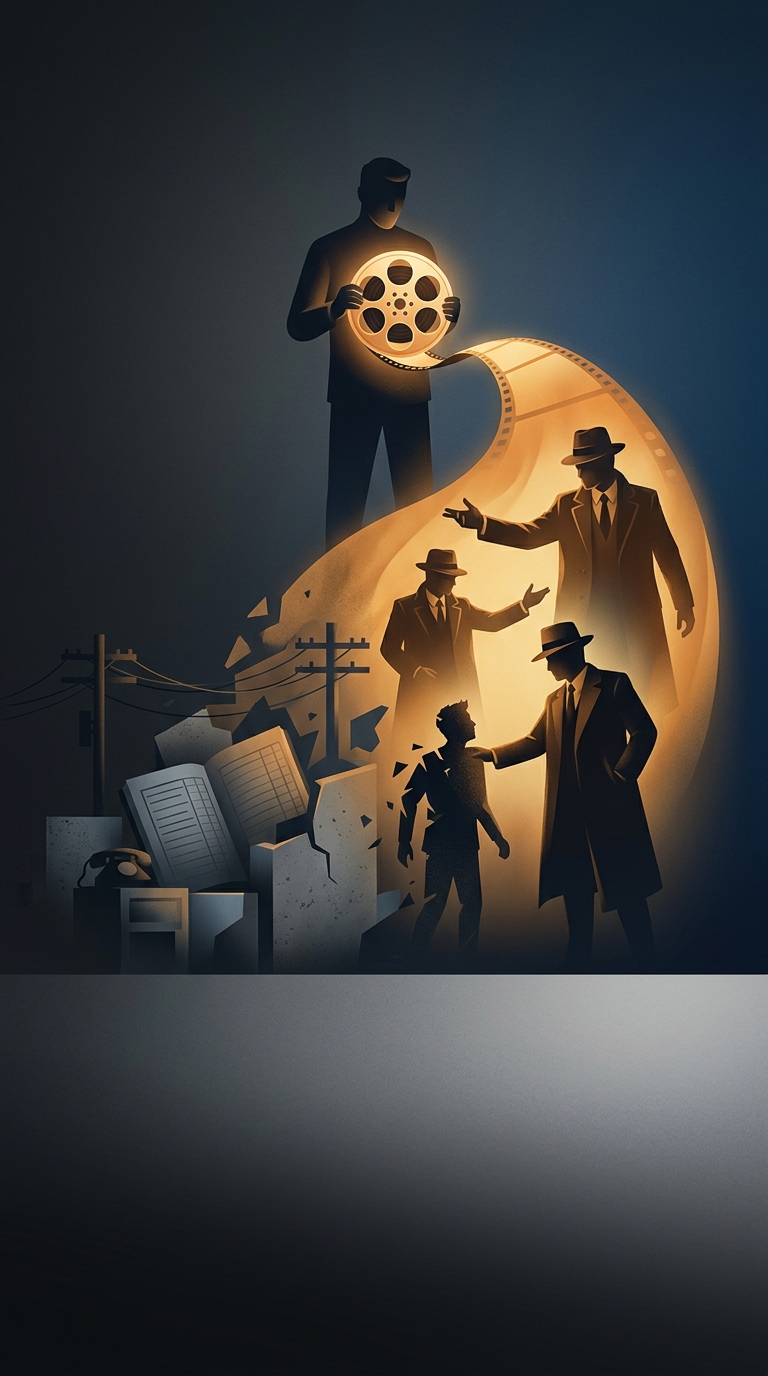
The Godfather did more than depict organized crime: it gave audiences a polished visual and verbal language for imagining it. Marlon Brando’s Don Corleone spoke in measured, formal tones; the film framed family loyalty, authority, and violence as parts of a carefully controlled world. That style was memorable enough to travel beyond the screen—including into the self-presentation of people connected to the underworld.
The influence was less a matter of real criminal life suddenly becoming cinematic than of people borrowing a ready-made image of power. A slow, grave manner of speaking or a familiar line could signal toughness and status because viewers already understood the reference. The film’s version of the mob offered a script for how a boss was supposed to look and sound.
The Reality Behind the Performance
That script left out much of what makes criminal organizations function: coordination, money, risk, and routine work. The movie turned those dull mechanics into a story of family, ritual, and personal command. Its elegance was an artistic construction, not a reliable portrait of daily life.
That gap helps explain the appeal. For people involved in a world that could be messy and dangerous, the film supplied a more coherent identity—one built around dignity and control. Its lasting cultural effect is a striking feedback loop: Hollywood shaped the public image of the mob, and that image became something people associated with the mob could imitate.