When a normal childhood change felt frightening
Losing baby teeth is ordinary, but it can be unsettling if a child has never seen other children go through it. Shirley Temple’s limited contact with ordinary children left her without that everyday reassurance. A loose tooth or sudden gap could seem like a sign that something was wrong, rather than a familiar stage of growing up. That helps explain why she feared illness or punishment when her teeth fell out.
The fear was not simply about appearance. Without peers to show her what to expect, Temple had fewer chances to learn the meaning of a common childhood experience from children living through it themselves. What might otherwise have been explained as routine could feel alarming.
Why the studio covered the gaps
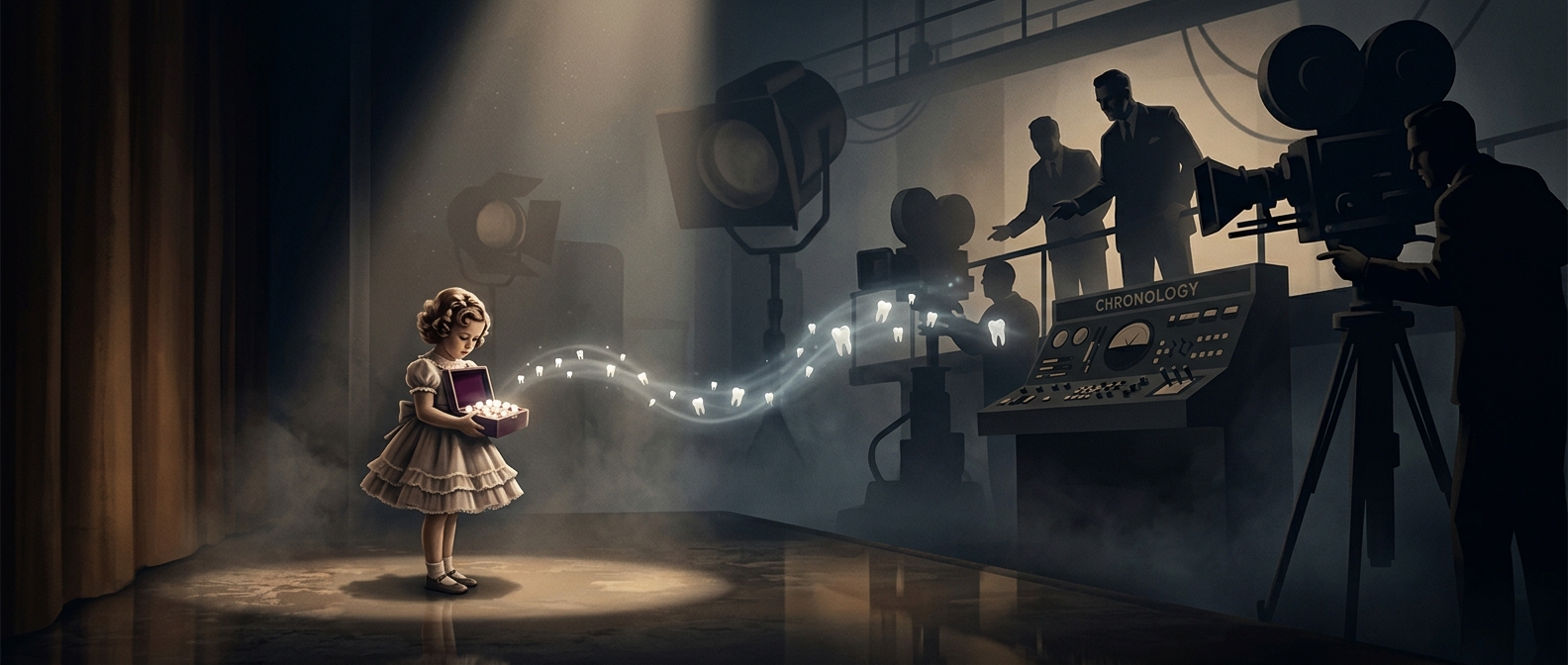
Temple’s teeth also mattered to the adults managing her screen image. A missing tooth is a visible sign that a child is growing, and it can change how a young performer looks from one scene or appearance to the next. The studio covered the gaps with fake caps, keeping the change from showing on camera.
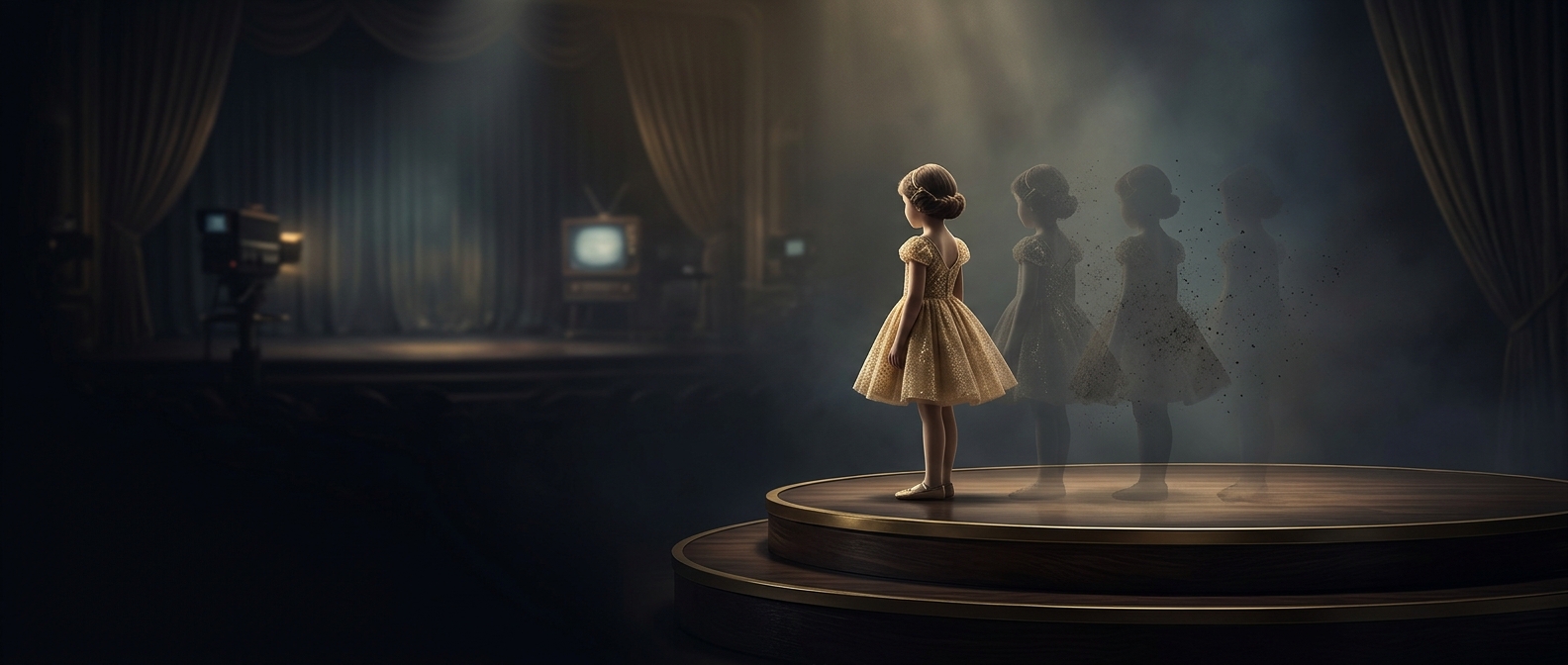
That small fix reveals the tension between a child’s real development and the carefully maintained image audiences saw. Temple’s teeth were changing on their own timetable; the screen version of her had to look consistent. The result was an ordinary milestone made more confusing: her body signaled that something natural was happening, while adults treated the visible evidence as something to conceal.