Live television left little room for a child to recover
In a live broadcast, a stumble was not a scene that could be cut or recorded again. The show had to keep moving while cameras, performers, and stagehands worked in real time. A child host was therefore judged not only on charm but on whether they could reliably carry a segment under pressure. A conspicuous mistake could become a public reason to question that reliability.
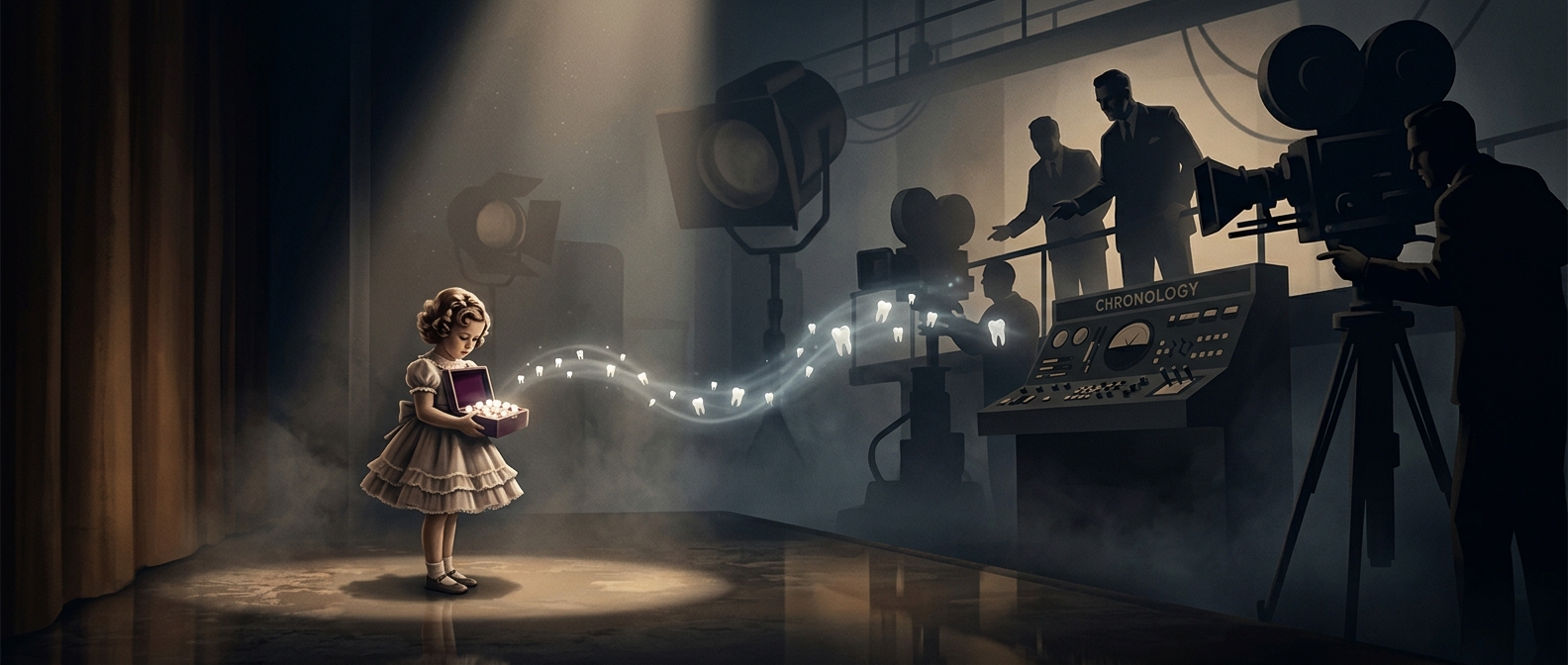
The production setup made the job demanding in ways viewers might not see. Bright lamps generated heat, animals could behave unpredictably, and a tired crew still had to coordinate each transition. For a young performer, staying focused meant adapting to a workplace built around the broadcast’s schedule, not a child’s comfort.
The role could be treated as a slot, not a career
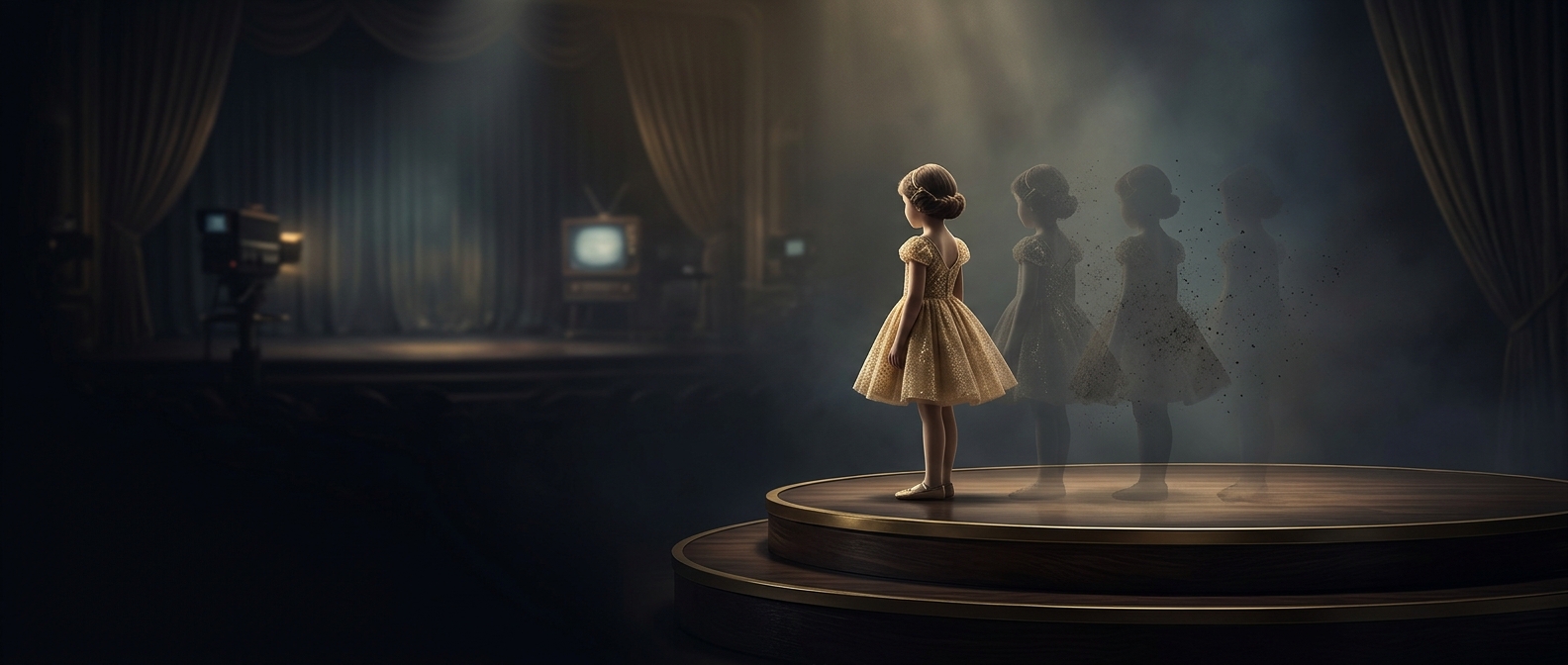
A host’s youth was part of the program’s presentation. As a performer grew older, their voice and appearance changed, potentially weakening the fit with a role built around being young. Replacing them with a younger performer let a network preserve that familiar image while paying less—an incentive that made the child’s place in the show precarious.
Live television’s immediacy gave a host visibility, but it did not guarantee security. The same format that put a child in front of an audience also made every performance a test, while the role’s value could depend on remaining young. A child could be asked to carry an adult production’s demands, then lose the job for no more than growing up.