The decision often comes before the house hunt
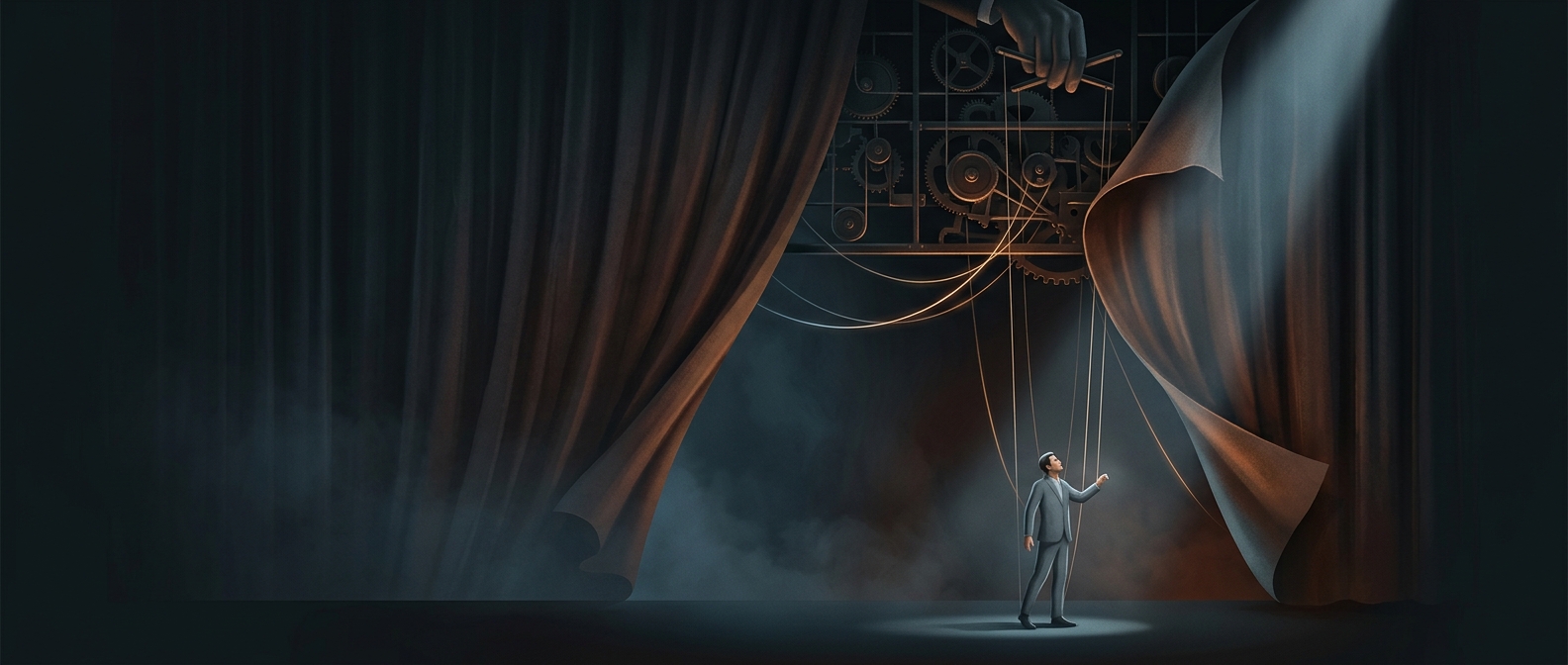
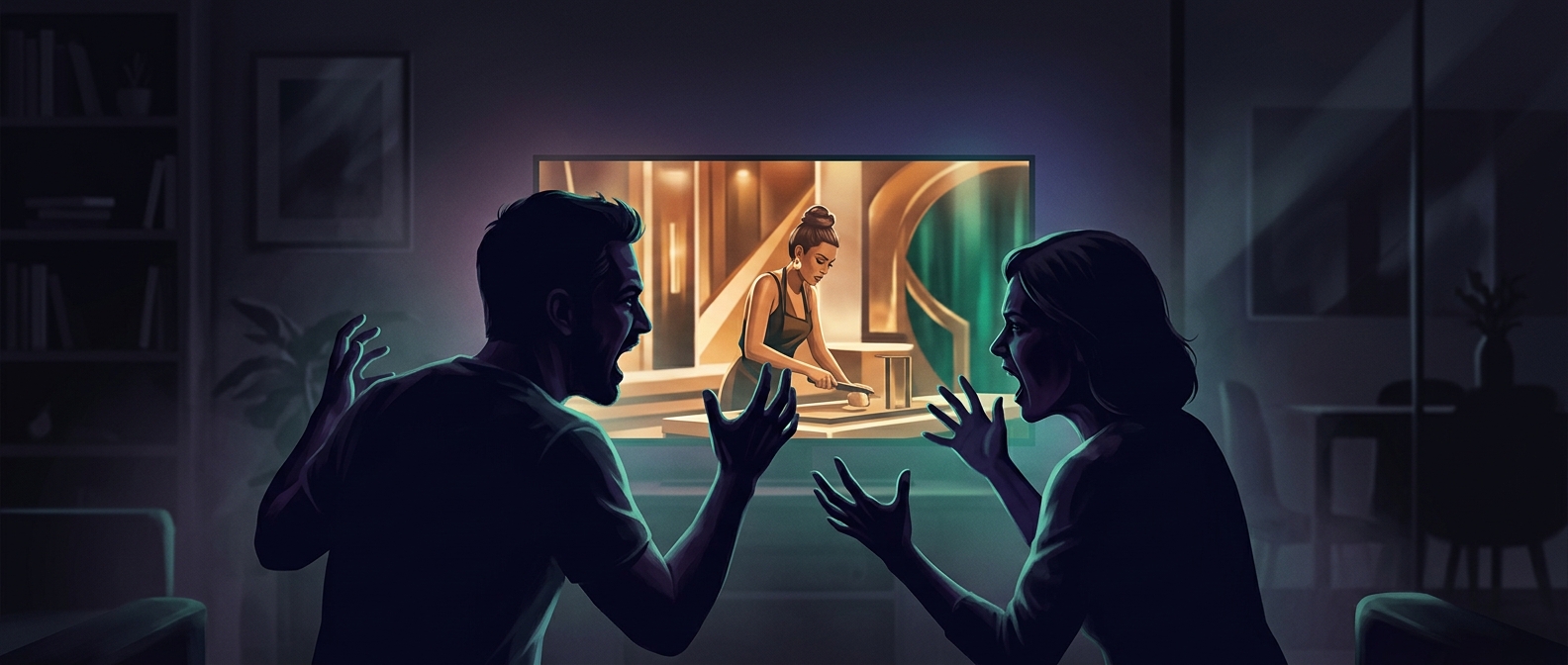
On House Hunters, the search may look like a live contest among three homes, with buyers weighing each option before making a choice. In many cases, however, the buyers have already found or purchased the home they ultimately select by the time filming begins. The episode reconstructs the search for television rather than documenting a decision unfolding in real time.
That changes the role of the other houses. They give viewers concrete alternatives to compare and help show what the buyers wanted, what their budget could buy, and why the chosen home won. The search can be genuine even when the on-screen suspense is not: the buyers may have considered different homes, but the program presents that process as a neatly shaped story.
A real estate search becomes a TV episode
Buying a home rarely follows a tidy arc. A promising listing may sell before a buyer can act; a mortgage or closing can take weeks; and the right property may appear after a long, uncertain search. Those delays are difficult to fit into a short episode. Filming after the purchase lets producers build a more coherent sequence around a known outcome, with house visits, reactions, and comparisons that make the decision understandable to viewers.
The tradeoff is a gap between the order of events on screen and the order in which the decision was made. The tours can still reveal real preferences and constraints, but they should not be treated as proof that the buyers were choosing among all three homes in the moment viewers see.
What the format still shows
The appeal is less about watching an unplanned choice than about seeing a household’s priorities collide with price, location, space, and condition. A couple might want a larger kitchen but need a shorter commute; a family might accept repairs to stay within budget. The selected home shows which compromises mattered most—while the editing supplies the suspense of a decision still to come.