The show that made everyday life MTV material
That turning point was The Real World, which premiered on MTV in 1992. Its premise was simple but consequential: put a group of young strangers in a shared home, film their interactions, and shape the footage into episodes. Instead of actors performing a finished script, the cast supplied the raw material through arguments, friendships, awkward silences, and ordinary routines.
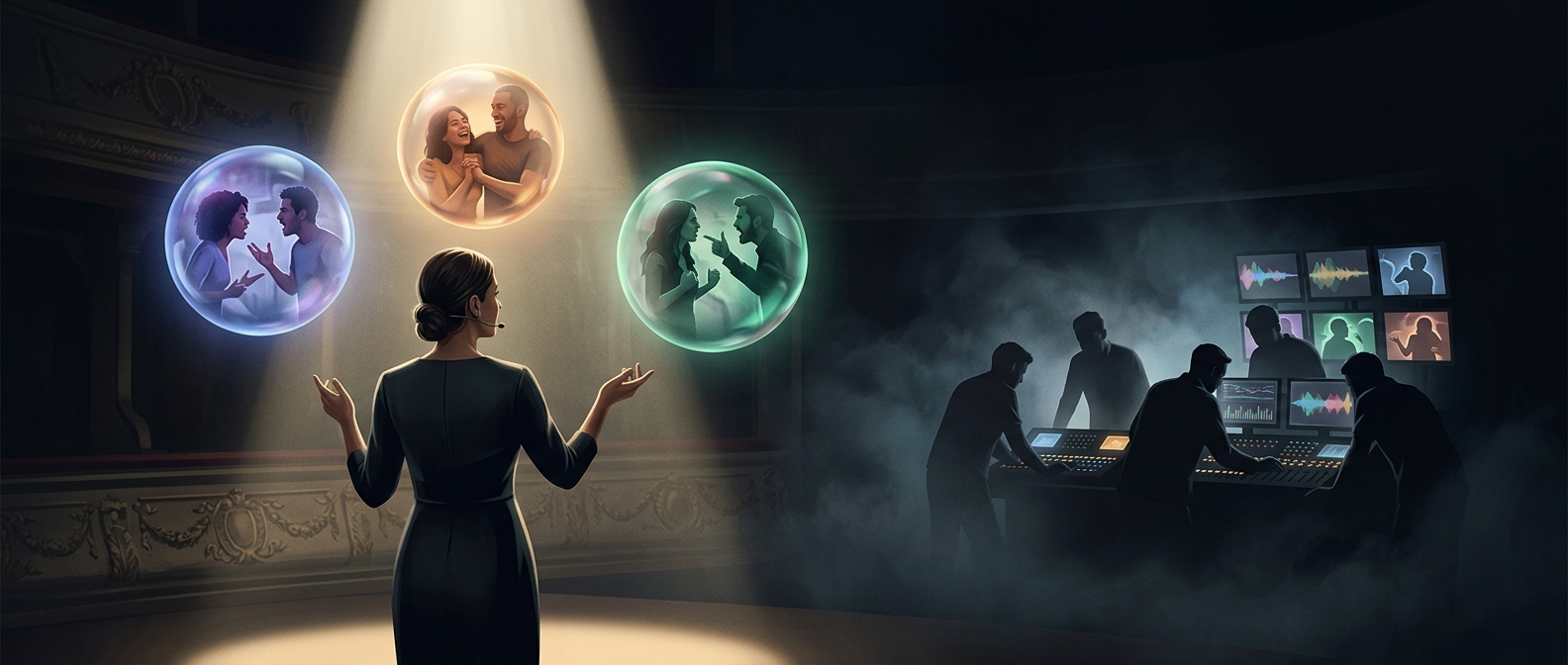
The format also gave viewers a way into the cast’s private thoughts. Alongside scenes in the house, participants spoke directly to the camera, explaining how they saw conflicts and relationships. Those interviews helped editors turn unscripted moments into a continuing story, with each episode offering both an event and competing interpretations of it.
A different kind of programming engine
For MTV, the key change was not simply that the show was unscripted. It demonstrated that a series could build drama from real people living together, then keep viewers returning to see how those relationships developed. The production did not need a new fictional plot each week; the cast’s changing dynamics supplied it.
That approach became a template for later reality television, though The Real World did not invent every element of the genre. Its lasting influence was to make the shared-house ensemble and camera-facing confessionals recognizable tools of TV storytelling. Long before reality competitions and celebrity spin-offs became fixtures, MTV had shown that the making of a show could be built around watching people react to one another.