A camera can record life; an edit can give it a plot
When An American Family aired on PBS in 1973, viewers watched the Loud family across a long stretch of ordinary life. But the finished series was not a continuous window onto that life. Producers chose which moments to film, what to ask, and which pieces of footage to place next to one another. Those decisions could turn scattered events into a story with tension, turning points, and apparent causes.
A leading question can steer a conversation without dictating an answer. It may invite someone to revisit a disagreement or explain a strained relationship, producing a scene with more dramatic material than an open-ended question would. Editing then adds another layer: pauses and context can be cut, while a reaction from one moment can be placed beside a remark from another. The result may feel spontaneous while still reflecting choices made behind the camera.
The difference between staging and shaping
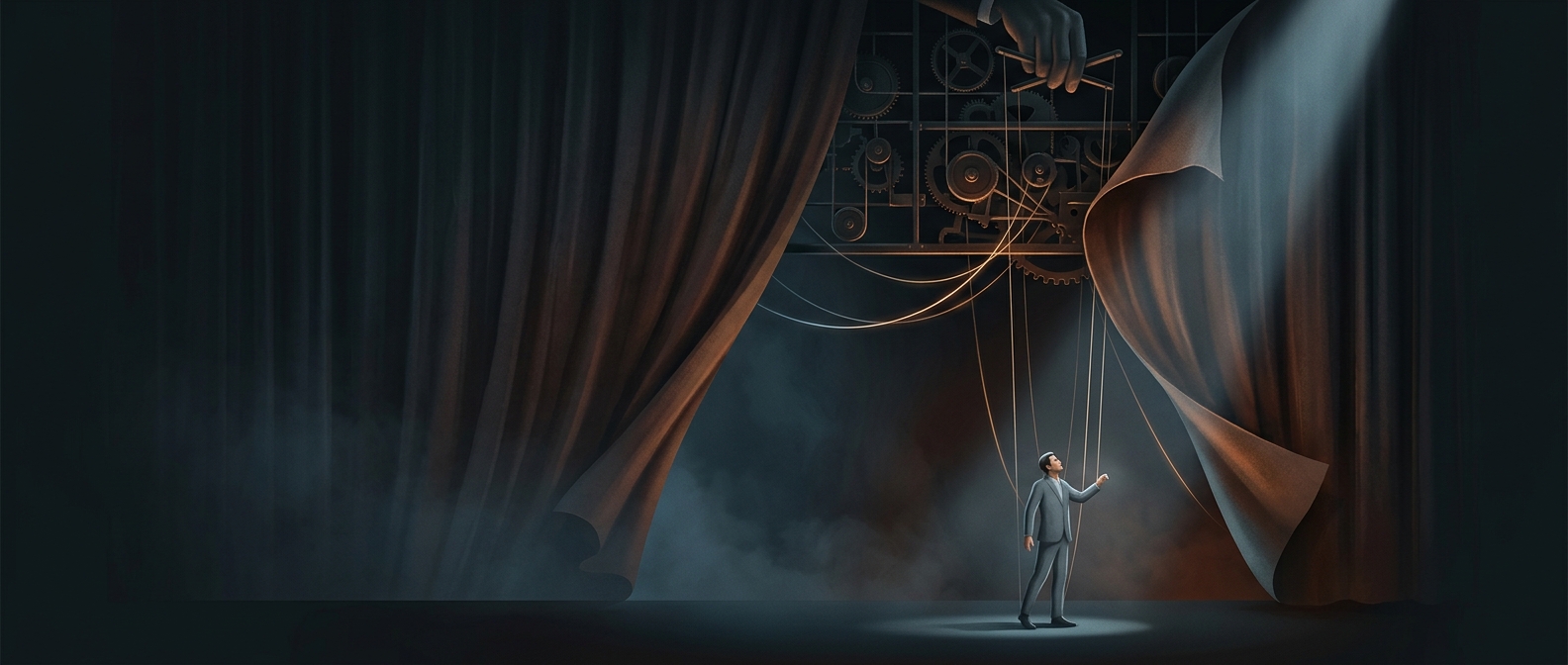
This kind of influence does not require actors or a written script. The family’s words and actions can be real, yet the program’s version of events can still be shaped by what was prompted and what was left out. “Unscripted” describes the absence of a conventional screenplay; it does not mean the absence of storytelling.
That distinction helps explain why the series became a touchstone for later reality television. Producers had a practical problem: everyday life does not reliably unfold in a neat, watchable sequence. Selecting vivid scenes and arranging them into a narrative made real people legible as television characters—but also raised questions about how fairly those people were represented.
The lasting template was not simply “put a camera in a home.” It was to gather real-life material, then use prompts and editing to make it play like a drama. The audience sees the family; the producers’ choices help determine which family story the audience sees.