A production bargain built around military access
A movie featuring large-scale battles can create convincing scenes with visual effects, but real aircraft, bases, and service members add a kind of scale that is difficult to reproduce. Access to those resources can make military action feel grounded in the physical world—even when the story’s central threat is a transforming alien robot.
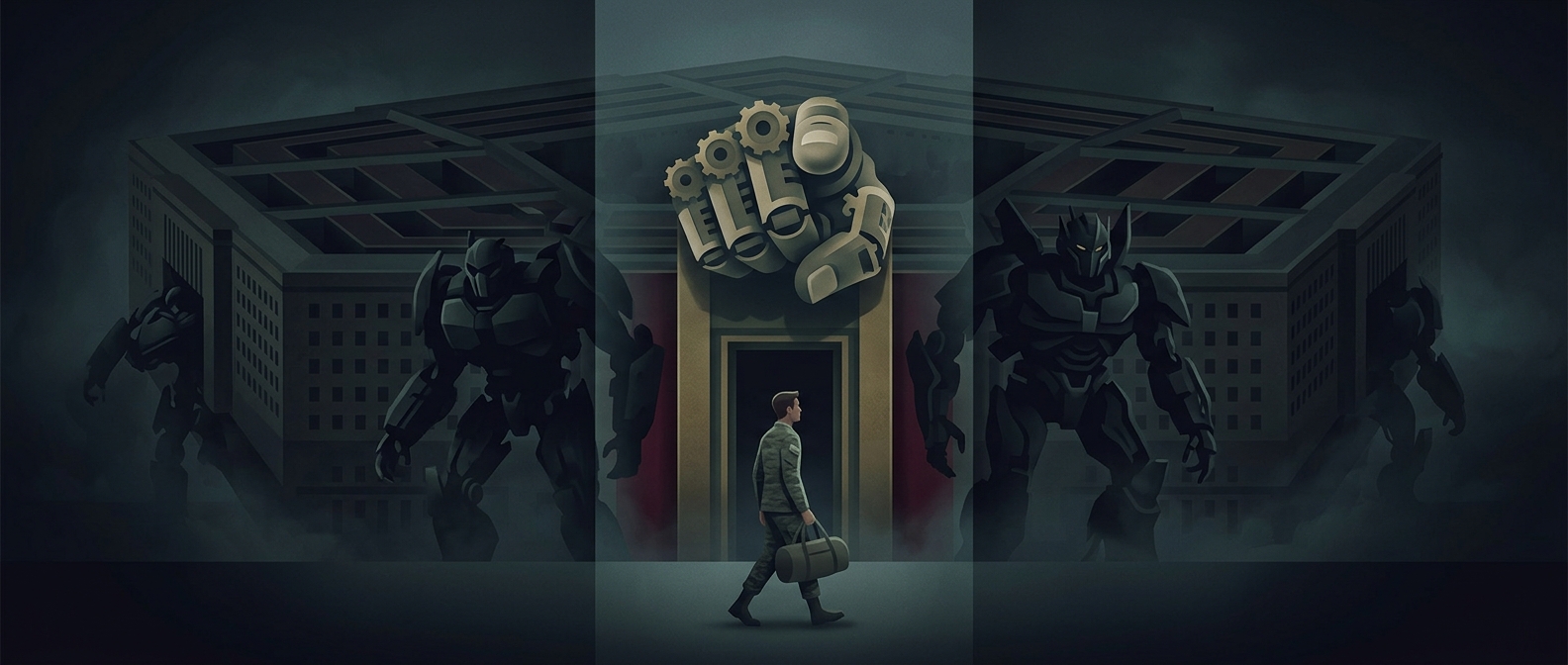
That access is not simply a free production perk. The Pentagon can review a script before agreeing to cooperate, giving it leverage over how the military appears on screen. The arrangement links practical help to a portrayal the institution considers acceptable: filmmakers gain resources, while the military gets a say in the depiction associated with them.
Why the exchange matters on screen
For a franchise like Transformers, military equipment and personnel help connect fantastical action to recognizable institutions. A real aircraft or uniform can lend a scene visual authority; active-duty soldiers can make a fictional operation look more like a coordinated military response. That realism can strengthen the spectacle without making the robots themselves any less imaginary.
The tradeoff is creative as well as logistical. A production that wants military cooperation has to account for the review process, while one that rejects those conditions may have to stage the same scenes without the offered access. The Pentagon’s contribution therefore shaped not just what the filmmakers could put in front of the camera, but the terms under which the military could appear in the story.